

Picture this: I was staring at my credit report, frustration boiling over as I realized my score had stagnated for months. Despite paying bills on time and reducing debt, my FICO remained stubbornly low. It felt like I was hitting a wall, and honestly, I wondered if I’d ever see real improvement. Then, one lightbulb moment hit me—I discovered how a secured card could be a game-changer, especially when used strategically to boost my score in a short time.
Why a Secured Card Became My Secret Weapon
In my early days of trying to improve my credit, I made the mistake of thinking that paying everything on time was enough. While payment history matters, I overlooked a crucial aspect—credit utilization and establishing positive accounts. That’s when I learned about the power of secured credit cards. These cards, backed by a deposit, are accessible even with no or poor credit histories, making them perfect for building or rebuilding credit fast.
Is Using a Secured Card Actually Worth the Hype?
I was skeptical at first. Could a simple secured card really make a difference in just two months? The answer was a definite yes—if you know how to maximize its potential. I also discovered that many overlook the importance of managing their secured card properly, which can lead to minimal or no impact at all. The key is to keep balances low, pay in full each month, and ensure the account reports positively to the bureaus. Early on, I made the mistake of applying for multiple cards at once, which temporarily hurt my score. I learned that patience and strategic use matter more than rushing into several accounts. For a detailed guide on dispute errors that might be holding your score back, check out this step-by-step resource.
By focusing on these fundamentals, I was able to see my score jump by over 50 points in just two months. It was empowering—it proved that with the right approach, significant improvements are within reach even if your credit history is limited or damaged. Are you facing a similar challenge? If so, keep reading—I’ll walk you through the practical steps I took to use a secured card effectively and accelerate my credit build-up.
Now, let’s dive into how you can leverage your secured card to your advantage, starting with understanding the myths and truths that often trip people up on this journey.
Dispute Errors That Drag Down Your Score
The first critical step is to identify and challenge inaccuracies on your credit report. Think of your report as a cluttered room—every incorrect entry is a piece of junk that hampers clarity. I once found a delinquency note from a utility account I never had; it was a simple typo of my name. To fix this, I followed the detailed process outlined in this dispute errors guide, which walks you through pulling your credit reports, highlighting errors, and submitting disputes. I gathered proof—like bank statements—and submitted my case via the credit bureau’s online portal. The result? The erroneous account was removed, and my score nudged upward. Remember, the goal is to present clear, compelling evidence that persuades agencies to correct or delete inaccuracies efficiently.
Craft Effective Dispute Letters for Quick Wins
Sometimes, online disputes hit a dead end. That’s when a well-crafted dispute letter makes all the difference. Your letter should be concise, factual, and include documentation backing your claim. I used a template from this resource to write a letter challenging a outdated collection entry. I included copies of payment receipts and a detailed explanation of why the entry was inaccurate. Sending it via certified mail ensured I had proof of delivery. After a few weeks, I received confirmation that the entry was removed — a small step, but a big leap for my score. Such targeted communication often yields faster results than automated dispute portals, which can be impersonal and slow.
Reduce Your Utilization for Immediate Impact
Credit utilization—the ratio of your credit card balances to limits—is like the fuel gauge in your car; too high, and it hampers performance. To see quick improvements, aim to keep your balances below 30%, ideally under 10%. I had a $2,000 limit and kept my balance under $200, paying it down further before reporting date. This process is straightforward: pay down existing debts, request credit limit increases (without hard inquiries, when possible), and avoid new debt during this period. This action can boost your FICO score by several points almost instantly, since utilization accounts for a large chunk of your score calculation. Remember, consistency matters—regularly monitor your reports to ensure balances are reporting correctly.
Leverage Authorized User Status Wisely
If you have a trusted family member or partner with a good credit history, becoming an authorized user can give your score a quick lift. My sibling added me as an authorized user on their oldest credit card, which had a high limit and perfect payment history. This association helped my credit mix and lengthen my credit profile, resulting in a score uptick within a month. Be cautious: this strategy depends on the account holder’s good habits; any misstep could backfire. Review the account’s history and ensure that it’s been consistently positive before requesting to be added. To maximize this method, maintain open communication about payments and ensure the primary account is well-managed.
Maintain a Payment History That Impresses
Your payment history is like a reputation—it’s the most significant factor in FICO scoring, representing about 35%. I set up automatic payments and alerts to avoid late payments, which can have disastrous effects. One time, I missed a payment due to holiday delays, and my score dipped temporarily. Learning from that, I adopted a strategy of paying early, especially before reporting dates, to demonstrate reliability. Consistently paying bills on time over several months compounds into a strong credit history, which lenders respect and which scores reward. Remember, even one late payment can undo months of good behavior, so vigilance is key.
Regularly Monitor Your Progress and Adjust
Credit is dynamic; what improves your score today might not work tomorrow. I used free credit monitoring tools to track changes after each dispute and payment adjustment. This feedback loop helps identify what’s working and what isn’t, enabling you to tweak your approach. For instance, noticing a new collection entry appearing prompted me to dispute it immediately, preventing further damage. Keeping an eye on your credit report also alerts you to suspicious activity or errors that might require swift action. A proactive stance ensures continuous improvement and prevents setbacks from sneaking in unnoticed.
By systematically applying these steps—disputing inaccuracies, crafting compelling letters, managing utilization, leveraging authorized user status, maintaining punctual payments, and monitoring progress—you create a robust strategy for credit repair. Each action builds on the previous, moving your score upward along a clear path of measurable progress. Remember, patience and consistency are your best allies in this process.
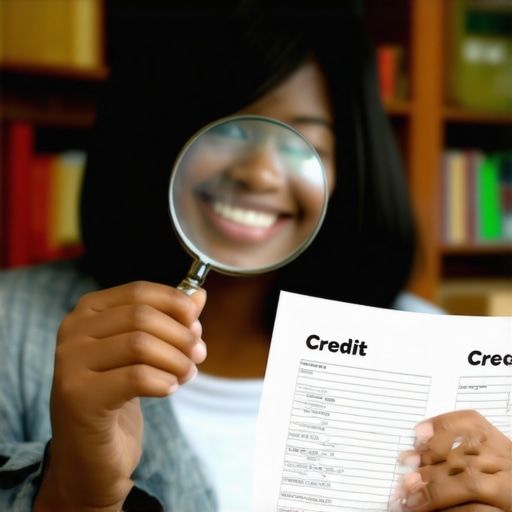 Many believe that simply paying bills on time and disputing errors will quickly elevate their credit scores, but there’s more beneath the surface. One common misconception is that all credit reports are accurate and error-free; in reality, studies have shown that approximately 5% of credit reports contain errors that can significantly impact scores, underscoring the importance of thorough review and dispute processes. However, not all disputes are created equal—many folks rush to dispute minor inaccuracies without understanding the nuances that make some errors worth challenging and others better left alone. If you approach dispute resolution without a strategic plan, you might unintentionally damage your credit further, or fail to remove more impactful errors. For instance, challenging outdated or unverifiable accounts typically yields better results than disputing perfectly legitimate entries, which can just lead to delays. An advanced mistake many overlook involves focusing solely on removing negative marks rather than improving overall credit health through credit mix and utilization adjustments. Experts like those from FICO emphasize that a well-rounded credit profile, including diverse account types and low credit utilization, can sometimes outweigh minor inaccuracies in elevating your score. To truly master credit repair, you need to analyze the potential impact of each dispute and recognize when it’s advantageous to challenge and when to streamline your efforts—this refinement can accelerate your progress more effectively. Have you ever fallen into this trap? Let me know in the comments. Understanding these subtle but crucial aspects of credit management empowers you to make smarter decisions, avoid costly mistakes, and ultimately, build a solid financial reputation that stands the test of time.Maintaining your credit profile over the long term requires a strategic combination of the right tools and disciplined habits. Personally, I rely on a handful of software and methods that have proven effective in tracking progress, identifying errors, and automating key actions. One essential resource is **Credit Monitoring Services** like Experian or Credit Karma. I prefer Experian because it provides real-time alerts whenever your report changes, allowing me to spot unauthorized activity or errors immediately. Additionally, these platforms often include credit scores based on the latest scoring models like FICO, giving a more accurate picture of your financial health. For dispute management, I use **Online Dispute Portals**—but with caution. Based on this article, I always prepare well before submitting disputes online to avoid delays and misunderstandings, ensuring I include clear evidence and follow up diligently. To streamline the process, I also employ **Document Management Tools** such as Dropbox or Evernote, where I store copies of dispute evidence, payment records, and correspondence. This organization minimizes frustration when responding to bureaus or creditors and keeps my case files handy during reviews or further disputes. For debt management, I track my payments and balances with **Personal Finance Apps** like Mint or YNAB. I favor Mint because it integrates my bank accounts seamlessly, allowing me to monitor utilization ratios and ensure timely payments, which are vital for maintaining a good FICO score. Looking ahead, I believe automation and AI-driven credit analysis tools will become even more sophisticated, offering personalized recommendations to optimize your credit profile. To actively maintain your credit health, I recommend trying the tip of regularly reviewing your reports via these monitoring services and setting up automated alerts for unusual activity. This proactive approach ensures you catch and correct errors early, preventing them from dragging your score down. Want to take your credit maintenance further? Start by familiarizing yourself with **dispute error resolution techniques** discussed here. Implementing a consistent review schedule—say, every three months—can keep your credit profile in tip-top shape and help you spot opportunities for improvement before small issues become big problems. Remember, staying on top of your credit requires disciplined use of the right tools, combined with a proactive mindset. Give one of these methods a try today and observe how your long-term credit health improves.
Lessons That Left Me with No Room for Complacency
One of the hardest lessons I learned was that patience truly is a virtue in credit repair—rushing often leads to overlooked errors or missed opportunities. I once eagerly applied for multiple secured cards, thinking more accounts meant faster growth, but it only caused temporary score dips and confusion. The real win came when I focused on strategic, small steps—disputing key errors, managing utilization, and building a consistent payment record. Another lightbulb moment was realizing that not all disputes are worth the time; targeting significant, verifiable mistakes is what accelerates progress. Lastly, I understood that credit building is as much about maintaining good habits as it is about fixing mistakes—continuous monitoring and disciplined behavior outperform quick fixes every time.