
I remember sitting in my car, staring at a rejection letter for a simple auto loan that I absolutely should have qualified for. My credit score was stuck in the mid-600s, barely budging despite the fact that I had zero debt. I felt like I was shouting into a void. I had paid my $80 cell phone bill every single month for seven years, yet when I looked at my report, that history was completely invisible. It was my lightbulb moment: I was doing the work, but I wasn’t getting the credit for it. Today, I am going to show you how to stop being a ghost to the credit bureaus by leveraging the bills you already pay. We are going to bridge that gap between your monthly expenses and your FICO score so you can finally see the numbers you deserve.
Stop Letting Your Monthly Cell Bill Go to Waste
I made a massive mistake early on by assuming the system was designed to find my good habits. I thought that if I was responsible, the bureaus would just know. I spent way too much time trying to stop sending generic dispute letters that were getting me nowhere, when the real solution was much simpler: data reporting. The truth is, most phone carriers don’t automatically report your on-time payments to the big three bureaus. They only report you when things go wrong. This is the missing link for many people who are starting from zero in 2025. By explicitly linking your telecom data to your credit profile, you can often see an immediate lift because you are adding “depth” to a thin file. According to FICO, roughly 15 million consumers have files too thin to even generate a score, and utility data is the primary way to fix that. Have you ever felt like your on-time utility payments are just disappearing into a black hole?
Will my carrier actually share this data without my permission?
It is a valid fear. Nobody wants their phone company snooping around their financial life more than they already do. The reality is that you have to be the one to initiate this connection through specific programs like Experian Boost or UltraFICO. Your carrier isn’t just going to hand over your records unless you opt-in. I was skeptical at first, too. I worried that if I had one bad month, my score would crater. But here is the secret: these programs generally only look for the positive patterns. You are essentially hand-picking the evidence of your own reliability. If you have been struggling because your score stalls even after paying every balance, this might be the exact lever you need to pull. We are moving toward a world where “alternative data” is just as important as a credit card balance, and your phone bill is the easiest place to start. Now that we know why this data is the secret sauce, let’s look at how to actually wire it into your report without triggering an audit.
Wire Your Bill History Directly to the Bureaus
To start, you need to use a bridge. Think of your bank account as the source and your credit report as the destination. Currently, they aren’t talking to each other. Tools like Experian Boost or UltraFICO act as the translator. When I first tried this, I was using a prepaid T-Mobile plan. I went through the entire setup, clicked ‘scan,’ and… nothing. The system didn’t recognize it because it wasn’t a recurring monthly statement from a traditional ‘post-paid’ account. I had to switch to a standard plan before I could see the 12-point jump I was looking for. This is the secret to using utility bills for a rapid credit boost: the data must be consistent and verifiable. 
Pick the Accounts That Actually Move the Needle
You want to focus on ‘Big Three’ utilities: Power, Water, and Telecom. Avoid trying to link your gym membership or Netflix just yet; those rarely carry the same weight as a gas bill. If you are wondering how your local utility bill could boost your FICO overnight, you need to ensure the name on the utility bill matches the name on your credit report exactly. Even a middle initial difference can cause the AI to flag it as a mismatch. I once spent three weeks arguing with a water company just to add my middle name to the account so the credit bureau would accept the data. It felt like overkill until I saw my ‘depth of file’ increase, which is a major factor for those with thin credit histories.
The Technical Sequence for a Flawless Setup
Once you initiate the scan, the software looks back through your bank transactions for at least three months of history. If it finds a gap, it might ignore the account. I once missed a payment by two days—not enough for a late fee from the electric company, but enough to break the ‘consecutive’ streak the algorithm wanted. I had to wait another 90 days for the history to look ‘clean’ again to the bureaus. This is why the link between utility bill payments and creditworthy status is so fragile; it requires robotic consistency. Ensure your bank account where the bills are paid is the one you are linking. If you flip-flop between paying from a checking account and a credit card, the automated scanners will lose the scent.
What to Do When the Data Doesn’t Stick
If the points don’t show up, don’t panic. You might need to dispute errors on your credit report if the bureau incorrectly flags your legitimate bill as a duplicate or fraudulent entry. Sometimes the ‘bridge’ tool creates a ghost entry that you have to clear manually. If you notice your score stalls even after paying every balance, check if the utility data is actually showing up in your ‘File Depth’ section, not just as a footnote. The goal is to turn these ‘alternative’ payments into permanent fixtures of your financial reputation.
The Counter-Intuitive Truth About Your Dispute Strategy
Everyone tells you to dispute every negative item on your report. It’s the ‘shotgun approach’ that promises a clean slate in thirty days. But if you want real results, you have to realize that the bureaus have gotten incredibly smart at sniffing out these templates. If you’re looking for a genuine boost, you need to stop sending generic dispute letters if you want real results. In my experience, the more ‘professional’ and legalistic your letter looks, the more likely it is to be flagged by an automated scanner and tossed into a ‘frivolous’ pile. You want to learn how to bypass the AI review in credit disputes by using specific, personalized evidence that forces a human to manually verify the data source. Disputing everything can actually backfire; why you should never dispute valid information is because it can lead to the bureaus ignoring your legitimate claims in the future. 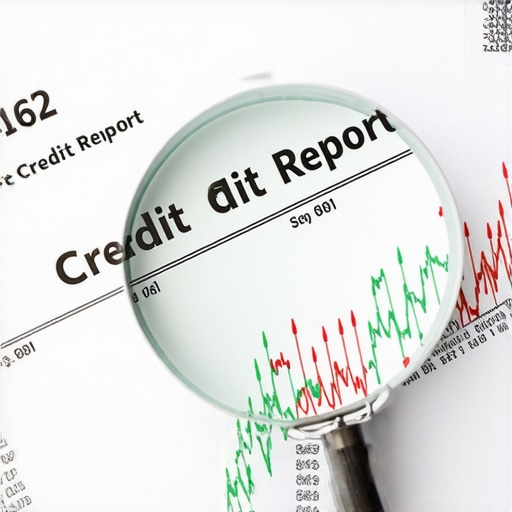
Does Every FICO Model Even See Your Utility Bill?
Here is a nuance most gurus miss: not all scores are created equal. You might see a jump in your Experian FICO 8 after linking your phone bill, but if you’re applying for a mortgage, the lender is likely looking at much older versions like FICO 2 or 4. These legacy models often don’t care about your utility data at all. This is why the difference between fico 8 and fico 10t for new borrowers is so critical to understand. Newer models like 10T incorporate ‘trended data,’ looking at your behavior over 24 months, while older models are just a snapshot. According to a report by the Consumer Financial Protection Bureau (CFPB), the vast majority of disputes are processed through e-OSCAR, an automated system that reduces your complex financial history into simple three-digit codes. If your ‘alternative’ data doesn’t translate into those specific codes, it remains invisible to older lending algorithms.
Don’t Reset the Clock on Your Old Debts
One of the biggest traps people fall into is ‘cleaning up’ old debt right before a big purchase like a home or a car. You think you’re doing the right thing by paying off a 5-year-old collection, but the reality is that why paying a collection might actually lower your score is tied to the ‘Date of Last Activity.’ By making a payment, you update that date, making an old, dying debt look brand new to the algorithm. This is the one mistake that extends the life of your debt and can tank your score by 40 points overnight. Furthermore, why a zero balance might be the reason your score is stuck often comes down to a lack of ‘active’ reporting. If you aren’t showing current utilization, the bureaus assume you aren’t using credit at all. Have you ever fallen into this trap of paying off an old debt only to see your score tank? Let me know in the comments.I spent years obsessing over the free charts on my banking app, only to realize they were showing me a ‘VantageScore’—a model that almost no major lender uses for actual approvals. This is why your fico score and your banks app never match. If you are serious about this, you need to look at the same data the bank sees. I personally use the MyFICO premier service because it gives me access to all 28 versions of my FICO score, including the ones used for auto loans and mortgages. Without this, you might think you’re ready to buy a house, only to find out your FICO 2 is fifty points lower than what your app says. According to the National Consumer Law Center (NCLC), these ‘educational scores’ provided for free can vary by as much as 100 points from the risk scores used in real lending decisions. We are moving toward a ‘hyper-personalized’ credit era where AI will look at your cash flow in real-time, so having the right tools now is your early-warning system.
How do I maintain my peak FICO score over time?
Consistency is boring, but it’s the only thing that works for long-term growth. I follow what I call the ’15-15 rule’—paying half my balance 15 days before the statement date and the other half 15 days later. This is the habit of high score achievers because it ensures your utilization is always reported as extremely low. You also need to keep your eyes peeled for ‘zombie’ accounts or data that shouldn’t be there. I set a calendar reminder every six months to do a deep dive into my reports. If I see a new name I don’t recognize, I don’t just ignore it; I use the documentation that forces a bureau to manually verify your data immediately. 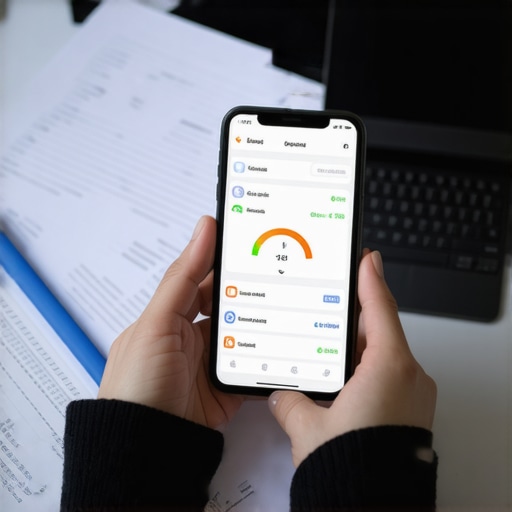
The Evidence Log That Stops Debt Buyers Cold
My most powerful tool isn’t expensive software; it’s a simple, organized Google Sheet. I track every single interaction with a creditor—the date, the time, the agent’s name, and the specific promise made. This is the evidence log that wins every investigation. When a junk debt buyer tries to re-age an account or claim you never disputed it, you have the exact paper trail to shut them down. If you’re serious about mastering fico proven strategies, you have to treat your credit report like a legal case. The bureaus are betting that you’ll be too lazy to keep records. Prove them wrong. I recommend you start your log today by documenting the last three payments you made and saving the confirmation numbers. It takes five minutes, but it acts as your ultimate insurance policy against automated errors. By understanding why your fico 8 score is different from fico 10t, you can tailor your maintenance schedule to fit the future of lending, where trended data is king. Take action now: open a spreadsheet and log your current balances against your credit limits to see your true utilization before the next statement closes.
The Most Expensive Lesson I Learned About Credit Bureau Habits
One thing I wish someone had whispered in my ear years ago is that the bureaus aren’t your enemy, but they aren’t your friends either; they are massive data processing machines. If you provide them with messy or inconsistent information, you will always get a messy score. I learned the hard way that consistency is the ultimate currency in the financial world. If you’re constantly trying to dispute errors on your credit report without a clear, verifiable paper trail, you’re just spinning your wheels. Here are a few shifts in perspective that changed everything for me:
- Stop worrying about the ‘perfect’ time to start. The best time was yesterday; the second best time is right now with the bills you already have sitting on your kitchen table.
- Data depth matters more than a single big payment. A long history of $40 utility payments is often viewed more favorably by modern algorithms than one massive credit card payoff because it proves long-term reliability.
- Keep your accounts personal. I’ve seen many people mess up their progress by mixing finances. I truly believe why an individual account is safer than a joint account for your credit is a lesson worth learning early to protect your own score from someone else’s mistakes.
#IMAGE_PLACE_HOLDER_E#
My Private Arsenal for Building an Unstoppable Credit File
You don’t need a team of lawyers to fix your credit, but you do need the right tools to stay organized. I’ve refined my process down to a few essentials that take the guesswork out of the equation. First, use a dedicated tracking system for every interaction. Whether it’s a simple Google Sheet or a physical accordion folder, the evidence log that wins every investigation is your best defense against ‘zombie’ debts or ignored disputes. Second, I highly recommend using official FICO monitoring services rather than free educational apps; it’s the only way to see the exact data the lenders see before you apply for a loan. Finally, embrace the habit of high score achievers by paying your bills twice a month. This simple tweak to your cash flow ensures your utilization is always reported low, keeping your score trending upward without spending an extra dime.
Take Control of Your Financial Narrative Today
Building credit isn’t just about getting a loan for a car or a house; it’s about the freedom to choose your own path without a three-digit number standing in your way. By leveraging your phone and utility bills, you are finally making the credit system work for you instead of against you. Don’t let your history stay invisible. You have the tools, the strategy, and the knowledge of mastering fico proven strategies to make a real, lasting change. Start small, stay consistent, and watch how quickly the doors start opening for you. Your financial future is waiting for you to claim it.
Have you tried linking your utility bills to your credit report yet, and did you see an immediate jump in your score? Let me know in the comments below!