

I stood there in the freezing rain outside a rental office, clutching a folder of pay stubs that apparently meant nothing. The property manager hadn’t even looked at my income; she just saw that 520 credit score and shut the door. It’s a gut-punch that leaves you feeling like a second-class citizen. You’ve got the money, you’ve got the job, but the system says you’re a risk because of things that happened years ago. I spent months trying to build credit when starting from zero, but I kept hitting walls. Then, I found the backdoor to a better score: the secured credit card. But here’s the catch—if you treat it like a normal card, you’re going to fail just like I did.
Stop Waiting for Permission to Have Good Credit
The truth is, traditional banks aren’t in the business of forgiveness. They want a sure bet. When your report is littered with old collection accounts or late payments, you’re a gamble they won’t take. This is where you have to take the reins. A secured card isn’t a handout; it’s a tool that lets you buy your way back into the game by using your own cash as collateral. It’s the fastest way to start mastering credit repair without waiting seven years for mistakes to vanish. Have you ever felt like you were doing everything right but your score just wouldn’t budge? You’re not alone, and that’s exactly what we’re fixing today.
Does a secured card actually count toward your FICO score?
I hear this all the time. People think because they gave the bank the money upfront, it’s somehow fake credit. That couldn’t be further from the truth. According to research from FICO, payment history makes up a massive 35% of your score, and a secured card reports that history just like a high-limit premium card. The bureaus don’t see the word secured; they see a track record of on-time payments.
The Rookie Mistake That Cost Me Forty Points
When I got my first secured card with a $300 deposit, I thought I was a genius. I went out and spent $290 on groceries and gas, then paid it off in full every month. I thought my score would skyrocket. Instead, it stayed flat. Why? Because I didn’t realize that your statement date is a critical number. I was showing 99% utilization, which signaled desperation to the algorithms. I was making the bank money, but I wasn’t building my reputation. To really move the needle, you have to follow the rule for using just one credit card to maximize your impact. It’s about strategy, not just spending.Use your secured card like a scalpel, not a sledgehammer. Most people think they need to show the bank they can spend money to prove they are reliable. The truth is, the bank already knows you can spend; they want to see if you can manage what you have without leaning on it. I call this the Low-Impact Strategy. Pick one tiny, recurring bill—like a Netflix subscription or a monthly $10 Amazon reload—and set it to autopay. That is it. Put the physical card in a drawer and leave it there.
The Tiny Purchase Strategy That Signals Safety
By keeping your balance ultra-low, you are utilizing the small balance hack that adds 20 points to your FICO almost overnight. Credit scores are like fitness trackers; they do not care how much weight you lift, they care that you showed up to the gym every single day. A $5 charge reported on your statement date proves you are active without proving you are a risk. 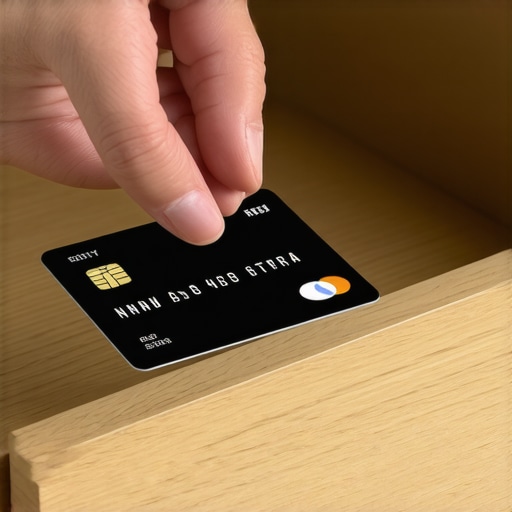
How My Ten Dollar Habit Fixed a Stalled Score
I remember sitting at my kitchen table, terrified to even touch my new secured card because I did not want to mess up again. I eventually decided to use it for exactly one small purchase a month. Within three months, my score jumped higher than it had in the previous year of ‘trying really hard.’ I was finally learning that how a 10 dollar Amazon purchase can boost your score is not a myth—it is how the math works.
Stop Using the Bureau Online Dispute Button
While you are building new history, you have to stop the old history from dragging you down. If you see an error on your report, the ‘Dispute’ button on the credit bureau’s website is your worst enemy. It is a trap designed to make you waive your rights to a full investigation. Understanding why you should never use the online dispute button is the first step toward real credit freedom. You need a physical paper trail.
Force a Human Review With Physical Evidence
When you send a letter via certified mail, you are following the credit repair blueprint that forces a human to actually look at your documents. I once spent three weeks fighting a mixed file where my data was merged with another person. The online system kept rejecting me, but the moment I sent the 3 documents you need to clear a mixed credit file to the bureau’s physical office, the error vanished. Algorithms are built to say no; humans with paper in their hands are forced to say yes.Everyone tells you to just pay off your debts and be done with it. That is some of the most dangerous advice you will ever receive when you are trying to climb out of a credit hole. I learned this the hard way when I paid off a five-year-old medical bill, thinking it would be the final piece of the puzzle for my mortgage application. Instead of my score jumping, it plummeted thirty points overnight. I was devastated. What I didn’t realize then is that by paying an old collection, I had ‘awakened’ a sleeping giant.
The Good Deed That Destroys Your Score
In the world of credit reporting, there is a concept called the ‘Date of Last Activity.’ When you pay an old collection without a specific agreement, the collection agency updates that date to today. To the FICO algorithm, a five-year-old mistake looks like a brand-new failure. This is why why paying off a collection could actually drop your score if you aren’t careful. You have to be strategic about the truth about paying off a collection before buying a house. If you just send a check, you’re resetting the clock on the damage. Have you ever fallen into this trap where doing the ‘right’ thing made your score worse? Let me know in the comments.
Why did my score tank after I finally paid that old debt?
This is the advanced nuance that separates the pros from the amateurs. Most legacy FICO models, especially those used for mortgages, do not care if a collection is paid or unpaid; they only care how recently it was reported. According to a study by the CFPB, millions of consumers see score fluctuations because of how data is refreshed during the payment process. To avoid this, you must master how to negotiate a pay-for-delete without admitting to the debt. You want that entire record gone, not just labeled as ‘paid.’ 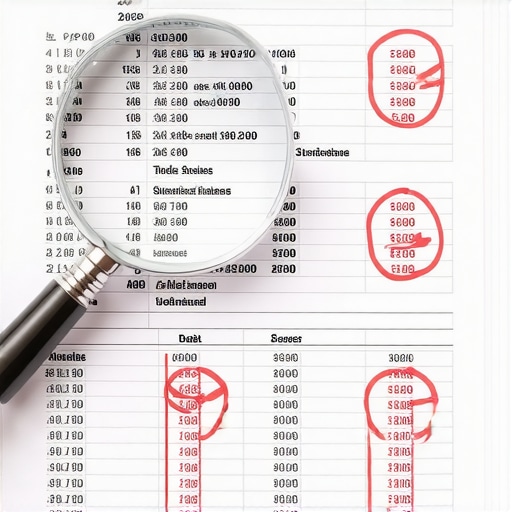
The Algorithm Does Not Care About Your Intentions
We are moving into an era of ‘trended data.’ If you’ve heard about the logic behind the fico 10t trended data shift, you know that lenders are now looking at the trajectory of your balances over 24 months, not just a snapshot of today. This means a one-time ‘fix’ won’t cut it anymore. You need a consistent paper trail. When you send in your disputes, remember that a computer is scanning your letter for keywords. If you use a template you found on a random forum, you’re going to get flagged. You need to know how to stop AI from automatically rejecting your dispute letter by making your evidence undeniably unique and manual.
Wait for the Proper Windows Before Applying
If you are in a rush to buy a home, do not ignore the truth about rapid rescoring. It can be a lifesaver, but only if your report is already clean of those ‘active’ old collections we talked about. Real credit mastery isn’t just about deleting things; it’s about understanding fico insights how dispute errors affect your score and what to do when the bureaus push back. It’s about playing the long game while using short-term hacks like how to build an 800 credit score starting from zero to stay ahead of the curve. Stop asking for permission and start auditing your own history with a fine-toothed comb.I used to rely on those free ‘monitoring’ apps, thinking a green circle meant I was safe. I was wrong. I learned the hard way that the hidden reason your credit monitoring app misses real errors is that they often use VantageScore, not the FICO model lenders actually look at. Now, I use a dedicated ‘Credit Log’—a simple physical folder combined with a spreadsheet where I track every dispute and every response. This is the habit of high score achievers who treat their credit profile like a business asset. Every 30 days, I pull my raw data from the bureaus and compare it against my previous month’s notes. If a balance is off by even a dollar, I catch it before it becomes a disaster.
Ditch the Apps and Build a Physical Paper Trail
For those who are serious about correcting credit errors and boosting FICO, a digital notification isn’t enough. I recommend keeping a ‘Bureau Evidence Log.’ When you find an error, you need to document exactly when you saw it and what you did. This serves as the evidence log that forces a bureau manual review if the automated systems keep kicking back your requests. According to consumer law experts at the National Consumer Law Center (NCLC), ‘re-pollution’—the return of a previously deleted error—is a persistent issue because furnishers often fail to update their internal databases. By having your log ready, you can prove that the bureau already acknowledged the error was wrong once before. 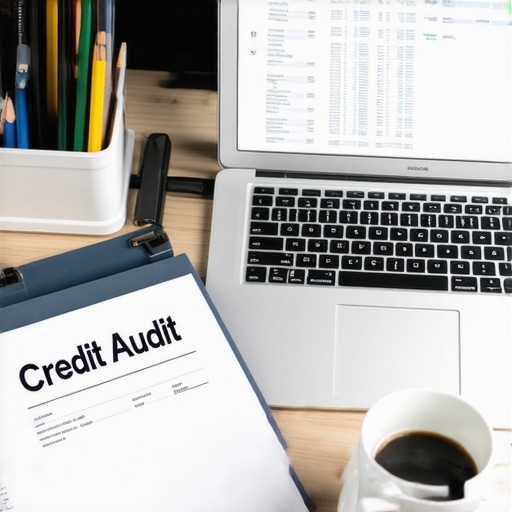
How do I maintain my credit health for the long haul?
Maintenance isn’t about being perfect; it’s about being vigilant and consistent. I follow the diy credit repair checklist to audit my own files every quarter. The big secret I discovered is using my ‘boring’ monthly bills to my advantage. I realized why your utility bill history could save your mortgage application—lenders are increasingly looking for any proof of stability they can find. I’ve opted into reporting programs that track my gas, water, and electric payments because it pads my file with positive data points. These ‘alternative’ data points act as a buffer, diluting the impact of any minor fluctuations in my utilization.
The Future of FICO Looks at Your Bank Balance
Looking ahead, the credit system is moving toward ‘open banking’ and more granular cash-flow analysis. Soon, your score won’t just be about how much debt you have; it will be about how you manage your actual income. If you can prove you consistently save more than you spend, your FICO might get a boost regardless of your past mistakes. This makes the credit repair blueprint even more vital; you need to clean up the legacy garbage now so you’re ready for the new data requirements of 2026. My challenge to you today: Log into your primary banking app and check for a ‘FICO Boost’ or ‘UltraFICO’ option. Link one utility account to be reported to the bureaus. It is the easiest way to add depth to your file without taking on a single cent of new debt.
The Brutal Realities I Discovered While Rebuilding My Life
Looking back at that rainy day outside the rental office, I realize that my biggest mistake wasn’t just having a low score; it was being passive about it. I learned that the credit bureaus are not government agencies; they are private companies that sell your data. They don’t owe you a fair score unless you demand it through effective dispute error resolution to boost your credit score in 2025. I also discovered that your credit report is often a game of broken telephone—information passes through so many hands that errors are practically guaranteed. You have to be the one to hang up the phone and set the record straight personally.
The Minimalist Kit That Actually Beat the Bureaus
I didn’t need a high-priced attorney to get results. I just needed a specific set of tools that kept me organized and legally protected. First, a dedicated binder for all proof of delivery slips—never send a letter without a tracking number. Second, I relied heavily on credit repair tips correcting dispute errors effectively to ensure my letters didn’t sound like they came from a bot. Third, a simple habit of never speaking to a debt collector on the phone. Everything must be in writing. These three things combined did more for my financial health than any quick fix ever could.
#IMAGE_PLACE_HOLDER_E#
Your Story Is Much Bigger Than a Three-Digit Score
It is easy to let a FICO score define your worth, but remember that it is just a snapshot of a moment in time, not a life sentence. By taking these steps—cleaning up the old and strategically building the new—you are reclaiming your future. Whether you are aiming for a new home or just the peace of mind that comes with financial stability, the path is the same: stay vigilant, stay documented, and never take no for an answer from a computer. You have the tools now; it is time to use them and find your own version of the ultimate guide to dispute errors and credit building in 2025. What’s the one thing on your credit report that feels impossible to fix right now? Let’s talk about it in the comments below.