

I’ll never forget the feeling of clicking ‘Send’ on forty different dispute letters generated by a $99-a-month software program back in 2018. I felt like a genius. I was convinced that by next month, my FICO score would magically leap a hundred points because some algorithm had ‘optimized’ my legal jargon. Instead, I got a stack of rejection letters and a ‘frivolous’ flag that took me a year to clear. I had the power of automation, but I didn’t have a plan, and that lack of direction turned a helpful tool into a financial wrecking ball.
Why Your Software is Just a Hammer Without a Blueprint
The reality is that most credit repair software is just a template engine. It’s great for saving time, but if you don’t know why you’re disputing a specific line item, you’re basically just throwing pasta at a wall. I learned the hard way that learning how to audit your own credit report for 10 common mistakes is a manual job that requires a human eye. You can’t just expect an app to catch the nuance of a misreported date or a double-entry error. In those early days, I fell for the trap of thinking that more disputes meant faster results. I was wrong. The bureaus are smarter than the software companies want you to believe. When they see identical, bot-generated letters, they often move them to the bottom of the pile. This is why mastering credit repair dispute errors and fico optimization requires a surgeon’s precision, not a sledgehammer. Today, I’m going to help you build the actual strategy that goes inside the software, so you stop wasting money and start seeing your score move.
Is automated credit repair actually a scam?
It’s not necessarily a scam, but it’s often sold as a ‘set it and forget it’ solution that doesn’t exist. According to the Federal Trade Commission, nearly 20% of consumers have verified errors on their reports, but the process of fixing them is rarely a straight line. If your software isn’t helping you gather the evidence that stops a bureau from labeling your dispute frivolous, then it’s just a glorified word processor. Have you ever felt like you were doing everything the ‘software’ told you to do, only to see your score stay exactly the same or even drop? It’s incredibly frustrating. I’ve been there, staring at a screen wondering why the ‘advanced AI’ didn’t mention why you should never use the online dispute button. We need to talk about the ‘why’ before we talk about the ‘how’ because a plan-less dispute is just a fast track to a permanent denial.
Stop Guessing and Start Auditing Your Report Manually
To move the needle on your score, you have to stop treating your credit report like a mystery novel and start treating it like a spreadsheet. You need to print your reports from all three bureaus. Screen reading leads to ‘scroll-blindness,’ where your eyes skip over the very details that are costing you points. I remember a time in 2019 when I spent three hours staring at a PDF only to miss a $4,000 ‘charge-off’ that was actually a duplicate of a paid account. When I finally printed it out and used a yellow highlighter, the error jumped off the page like a neon sign. This is the first step in how to audit your credit report for hidden reporting errors. You are looking for inconsistencies between Equifax, Experian, and TransUnion. If one bureau says a late payment happened in June and another says it was July, that’s a reporting error you can leverage.
Look for the Red Flags Your Software Misses
Generic software often misses the ‘meta-data’ of a credit report. You need to check the date of last activity against the date the account was opened and the date it was reported. If these don’t align logically, the data is unverifiable. While looking for these errors, pay special attention to accounts that appear twice with slightly different account numbers. Knowing how to properly remove a duplicate account from your report can sometimes result in a 20 to 30-point jump overnight because you are effectively halving the perceived debt load or negative history on that specific line item.
Build a Paper Trail That Bureaus Can’t Ignore
The bureaus love to use AI to scan your letters for keywords. If you just say ‘this isn’t mine,’ the robot wins. You need to provide the ‘log.’ Think of it as a court case where you are the prosecutor. I once fought a medical bill that was clearly an error, but the bureau kept verifying it. It wasn’t until I created the evidence log that forces a bureau manual review—including my insurance Explanation of Benefits (EOB) and a dated letter from the clinic—that they finally blinked. You need a the diy credit repair checklist that outperforms paid services to keep these documents organized so you aren’t scrambling when the bureau sends a generic rejection.
Writing the Letter That Actually Gets Read
Avoid the ‘legalese’ found in most templates. The more you sound like a lawyer, the more you sound like a software-generated template, and the more likely you are to get a ‘frivolous’ response. Write like you’re explaining the problem to a real person. Use specific dates, exact dollar amounts, and full account numbers. Explain the human context—for instance, if a payment was reported late because of a bank error, include the bank’s correction letter. If you are following the 30-day blueprint for erasing a wrongful late payment, your letter should be clear, concise, and backed by the specific evidence from your log.
Why Your Post Office Receipt is a Secret Weapon
Never, ever send a dispute via standard mail or through the bureau’s website portal. You need a physical receipt. I learned this the hard way when a bureau claimed they ‘never received’ my 50-page evidence packet. Now, I have a dedicated folder for my green cards from the post office. This is why you should always send dispute letters via certified mail. It creates a legal timeline. If they don’t respond or finish their investigation within 30 days, that green card is your ‘get out of jail free’ card to demand a deletion based on their failure to comply with the Fair Credit Reporting Act.Let’s dig deeper into the ‘shotgun’ approach that most people think is a shortcut. The prevailing wisdom suggests you should dispute every negative item on your report simultaneously to see what sticks. In my experience, this is the fastest way to get your file blacklisted by the bureaus’ automated filters. If you send a five-page list of grievances, the system flags it as a mass-produced dispute and rejects the whole thing. Instead, you need to know how to dispute multiple errors on one report without getting flagged by staggering your requests and focusing on the three most impactful items first. Have you ever fallen into this trap of over-disputing? Let me know in the comments.
Why Paying That Collection Could Actually Tank Your Score
Then there is the ‘payment trap.’ I see so many people rush to pay off an old collection thinking it will instantly heal their FICO score before a big purchase. But here’s the contrarian truth: a paid collection is still a negative mark. Unless you have secured a written agreement, you should realize why you should never pay a collection agency without a delete agreement. Without that piece of paper, you’re losing your only piece of leverage and potentially resetting the reporting clock on the debt. This is specifically the truth about paying off a collection before buying a house; many lenders care more about the presence of the collection than whether the balance is zero. 
Can a Single Missing Letter Really Destroy Your Mortgage Odds?
It sounds like a myth, but the missing middle initial that ruined a credit score is a very real phenomenon known as a ‘mixed file.’ This happens when the bureau’s algorithm accidentally merges your data with someone else who has a similar name. It’s a sophisticated error that generic software almost never catches because the software assumes the data is yours. According to a report by the Consumer Financial Protection Bureau, data accuracy remains a systemic issue, with many consumers finding that even ‘verified’ data belonged to a different person entirely. You have to be the one to spot that why your score is different on experian and transunion might not just be a timing issue, but a fundamental identity error. Finally, don’t fall for the ‘zero balance’ obsession. While it sounds counter-intuitive, why a zero balance is not always the best for your fico score comes down to credit utilization—FICO models often reward a small, 1% reported balance over a completely empty one because it proves active, responsible management.
Build a System That Makes Results Permanent
The biggest mistake I made early on was thinking credit repair was a destination. It’s not. It’s a maintenance schedule, like changing the oil in your car. Once you clear those errors, the real work begins because the bureaus are constantly receiving new (and sometimes incorrect) data. I eventually transitioned from using automated ‘repair’ software to a simple, custom Excel sheet. Why? Because I needed to track the ‘Date of Last Activity’ for every single account to ensure nothing was being illegally re-aged. You need to develop the habit of high score achievers checking reports every 30 days. If you spot a mistake within the first month, it’s ten times easier to fix than one that has sat there for a year.
How do I maintain my credit health without checking it every five minutes?
I get it—obsessing over a score is exhausting. I recommend setting up ‘push notifications’ for your actual credit reports, not just the ‘Vantage’ scores you see on free apps. Use the official MyFICO service if you can afford it; it’s the only way to see the same data a mortgage lender sees. By staying proactive, you can implement the habit that keeps your fico score above 780 every month without the stress.
The Future of FICO is Trended Data
We are entering a new era where bureaus don’t just look at what your balance is today, but what it was twelve months ago. This is the logic behind the fico 10t trended data shift. According to a 2024 technical report by Fair Isaac Corporation, FICO 10T is designed to reward ‘transactors’—people who pay in full—over ‘revolvers’ who carry balances. This means your historical behavior is becoming more important than a one-time dispute. As AI becomes more integrated into bureau systems, the ‘shotgun’ dispute method will become 100% obsolete. You will need to know how to stop ai from automatically rejecting your dispute letter by proving your unique human identity in every piece of correspondence.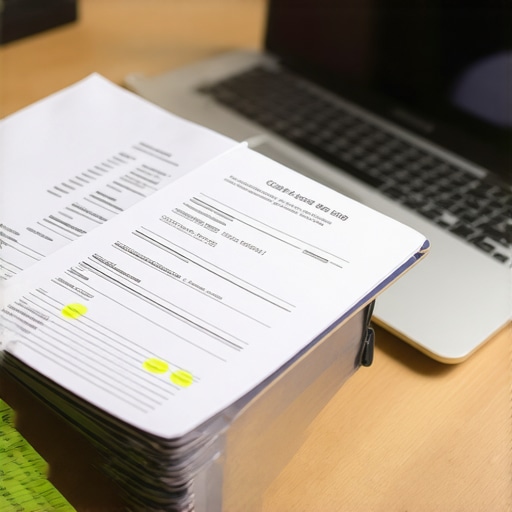
Tools I Use to Scale My Financial Profile
I don’t rely on ‘magic’ buttons anymore. My toolkit is simple: a high-quality scanner, a binder for certified mail receipts, and a calendar that reminds me when my statement dates hit. Remember, why your credit card statement date is a critical number—it’s the day the data is ‘frozen’ and sent to the bureaus. If you pay your balance after this date, the bureaus report a high balance even if you eventually paid it off. My best tip? Try the ’15/3′ method: pay half your balance 15 days before your statement date and the rest 3 days before. It forces the lowest possible utilization to be reported, which can often spark a quick 10-point jump. Give that a shot this month and see how your report reacts.
What I Learned After Hundreds of Dispute Letters
The credit bureaus aren’t your friends, but they aren’t your enemies either—they are just massive data-processing machines that respond to specific inputs. My biggest ‘aha!’ moment came when I realized that being right isn’t enough; you have to be persistent. The bureaus often bank on you giving up after the first generic rejection. Another realization was that your FICO score is essentially a living document. It changes with every transaction, and treating it as a static number is the fastest way to get discouraged. I also learned that understanding fico dispute errors and credit repair hacks is more about finding the data inconsistencies than fighting over the debt itself.
- The bureaus love to ignore letters that look like they came from a template—human handwriting or unique fonts go a long way.
- Small mistakes like a missing middle initial can create massive ‘mixed file’ headaches that take months to resolve.
- Long-term success comes from the paper trail you build, not the automation you buy.
The Toolkit That Actually Moves Your Score
You don’t need a thousand-dollar service to see results. I rely on three core pillars: MyFICO for real data, a physical binder for my certified mail receipts, and a simple calendar to track my statement dates. Using the credit repair blueprint fixing errors and strengthening your financial profile as a foundation allows you to stay organized without the stress of ‘guessing’ what to do next. I also recommend checking out credit repair tips correcting dispute errors effectively to ensure your language is precise enough to trigger a manual review rather than an automated rejection. These tools are the backbone of any serious credit strategy.
Take Control of Your Financial Future Today
Your credit score is one of the most powerful financial tools you own. It dictates where you live, what you drive, and how much you pay for the privilege of borrowing money. Don’t let a few reporting errors hold you back from the life you deserve. Start small, be consistent, and remember that every correction is a step toward financial freedom. You have the map; now it’s time to take the first step in your credit repair journey. Have you ever been surprised by a weird error you found on your report after a manual audit? Let me know in the comments below!