

I remember standing in a brightly lit cell phone store in downtown Chicago, clutching my passport like it was a shield. I wanted a simple post-paid plan so I wouldn’t have to overpay for data. The clerk looked at his screen, then back at me with a sympathetic shrug, and said, “Sorry, you don’t exist.” In the eyes of the U.S. financial system, I was a ghost. It didn’t matter that I had a master’s degree or a job offer; without a credit history, I was a risk they weren’t willing to take. This realization hit me like a ton of bricks: my financial reputation didn’t cross the border with me. I spent my first year in America paying massive security deposits for everything from my studio apartment to my electricity bill just because I was “credit invisible.” According to the Consumer Financial Protection Bureau, roughly 26 million Americans are credit invisible, and a huge chunk of that population includes newcomers like us who have to build everything from scratch. Today, I am going to show you exactly how to manifest that financial identity so you can stop being treated like a ghost and start being treated like a valued customer.
Your Passport Is Not Enough to Get a Car Loan
Moving to a new country is exhausting, but the real shock comes when you realize your pristine banking history back home is basically worthless here. I made the classic mistake of thinking my international bank would just “know” me. I walked into a local branch, asked for a credit card, and was laughed out the door. If you are currently in that frustrating limbo, you are essentially how to build credit when you’re starting from zero in 2025. You need a strategy that doesn’t rely on luck or a friendly bank teller who probably doesn’t have the power to help you anyway. I wasted six months just waiting for my Social Security Number to arrive before I even tried to establish credit, not realizing I could have started much sooner with an ITIN or specific international-friendly lenders.
Does it actually take years to see a decent score?
The short answer is no, but only if you stop throwing spaghetti at the wall to see what sticks. My biggest blunder was applying for a high-end travel card during my first week in the States. That “hard hit” on my non-existent report was a red flag to every other lender for months. Instead, I should have looked into how to use credit builder loans to establish a solid profile or even investigated how to use a secured card to bypass a bad credit history. These are the tools that actually move the needle for immigrants. Have you ever been told you “don’t exist” by a bank or a landlord? It’s a gut punch, isn’t it? Let’s talk about the specific steps to fix that status once and for all.To break the ‘ghost’ cycle, you have to treat the credit bureaus like a suspicious bouncer at an exclusive club; they won’t let you in until you prove you belong on the list.
Force the Bureaus to Recognize Your Name
The first hurdle is purely administrative. If you are not in their database, every automated application system will spit out an error. You need to know how to prove your identity when the bureau claims you do not exist. I remember when I first moved, I thought sending a digital scan of my visa through a web portal was enough. It was not. I had to send a physical packet via certified mail containing a utility bill and a bank statement with a wet signature to finally trigger the creation of my file. Even then, I almost derailed my progress because of a tiny clerical error. My bank account omitted my middle name, while my Social Security card included it. This discrepancy can lead to a ‘split file,’ where your data is scattered across two different identities. This is exactly the missing middle initial that ruined a credit score for many newcomers, so ensure every document matches your passport perfectly. 
Grab a Secured Card and Treat It Like a Training Wheel
Once you actually exist in the system, you need to generate positive data. Since most major lenders will not touch a zero-score applicant, you must provide your own collateral. This is the most effective way how to use a secured card to bypass a bad credit history or a total lack of one. You give the bank a deposit—say $200—and they give you a card with a $200 limit. It feels like you are using a debit card, but the bank reports this as ‘credit’ to the bureaus. My biggest mistake early on was thinking I had to carry a balance and pay interest to show ‘activity.’ That is a myth. You should pay the balance in full every single month. This simple the habit that keeps your fico score above 780 every month is just as powerful for a beginner as it is for a millionaire.
Make Your Monthly Bills Do the Heavy Lifting
You are already paying for a cell phone, electricity, and likely a streaming service. Historically, these ‘alternative’ data points were ignored, but today why your utility bill history could save your mortgage application is a reality. By using specific reporting tools, you can link your bank account to your credit file so that your on-time phone payments count toward your score. I personally learned how to use your cell phone account to pad your credit profile during my second year, and it bumped my score by 14 points in a single month. It is not a magic fix for a 400 score, but when you are starting at zero, every point acts as a foundation for the larger loans you will eventually need for a car or a home.Now that you have the basics down, I need to warn you about the efficiency trap that catches even the most careful newcomers. Everyone tells you to just click the dispute button on a credit app if you see an error, but in my experience, that is a massive mistake. When you use those automated portals, you often inadvertently waive your right to a full investigation under the Fair Credit Reporting Act. According to a study by the Federal Trade Commission, about 25% of consumers identified errors that might affect their credit scores, yet many fail to resolve them because they use the wrong methods. If you want real results, you need to focus on mastering credit repair dispute errors and fico optimization rather than relying on a quick fix digital button. This is why you should never use the online dispute button if you want a paper trail that actually holds the bureaus accountable.
Why did my score drop after I finally paid off that debt?
This is the most common oops factor I see in the credit building community. You work hard, save every penny, and pay off a collection or a loan, only to see your score tank 20 points the next day. It feels like a betrayal, but the mechanics are simple: why your score fell after you paid off your student loans or a car note is often due to the loss of credit mix or the closing of an active account. If you are cleaning up old mistakes, you must understand the truth about paying off a collection before buying a house. Sometimes, an old, unpaid debt is better left alone if it is about to fall off your report naturally, as settling it can refresh the activity date and hurt you more in the short term. 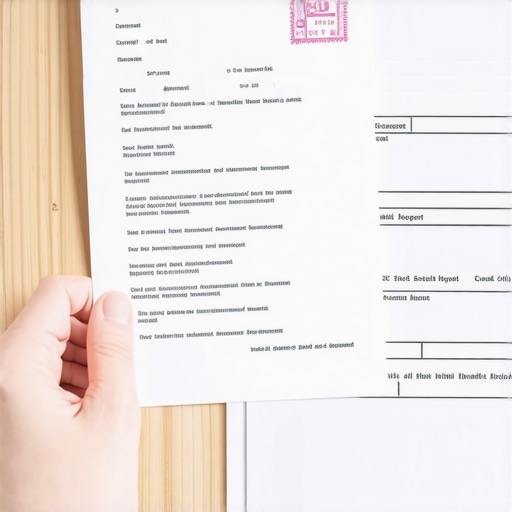
The Counterintuitive Truth About Zero Balances
Another nuance most people miss is the balance myth. You might think keeping a zero balance on every card is the ultimate goal for a perfect profile. Ironically, why a zero balance is not always the best for your fico score is one of the most technical parts of scoring models. FICO likes to see usage but not high utilization. I recommend the small balance hack that adds 20 points to your fico 2, which involves leaving a tiny balance—think ten dollars—on just one card while the others are at zero. This proves you are using credit responsibly without being a risk to the lender. Lastly, if you do find errors, do not just send a generic letter you found on a random forum. That is the danger of using credit repair software without a plan. The bureaus use AI to scan your mail, and if it looks like a template, they will flag it. You need the evidence that stops a bureau from labeling your dispute frivolous, such as a manual log or specific bank statements. Have you ever fallen into this trap where you did everything right but your score still did not budge? Let me know in the comments.Once the initial repair work is done and you have clawed your way out of the ‘invisible’ zone, the game changes from offense to defense. I see so many people work tirelessly to hit a 700 score, only to let it slip because they stopped paying attention to the machinery behind the scenes. To keep your profile pristine, you need to transition into a maintenance phase that relies on systems, not memory. My personal secret weapon is a physical evidence log. While everyone else is clicking through digital portals, I maintain a paper trail that includes every letter I have ever sent and every response I have received. This is exactly the evidence log that forces a bureau manual review 2 because it provides a chronological history that AI scanners simply cannot ignore. You should learn how to audit your own credit report for 10 common mistakes 2 at least once a quarter to ensure no ‘zombie’ data has crawled back onto your file. 
How do I maintain my credit score without it becoming a full-time job?
The key is consistency over intensity. You do not need to check your score every hour, but you do need to understand the truth about how often your fico score actually updates. For most of us, once every 30 days is the sweet spot. This is the habit of high score achievers checking reports every 30 days 3 that prevents small errors from ballooning into mortgage-killing disasters. I personally use a simple spreadsheet to track my statement closing dates, which are often different from my payment due dates. By knowing these dates, I can implement the small balance hack that adds 20 points to your fico 2 by ensuring a tiny balance is reported just before the statement closes, regardless of when I actually pay the bill. If you find a new error, do not panic. Instead of using a generic template, follow the DIY credit repair checklist that outperforms paid services 3 and why you should always send dispute letters via certified mail to guarantee the bureau has a legal deadline to respond. Under Section 611(a) of the Fair Credit Reporting Act (FCRA), credit bureaus are legally required to conduct a ‘reasonable reinvestigation’ of any information you dispute, a standard that is much harder for them to meet if you provide specific, physical evidence rather than a digital checkbox. Looking ahead, the industry is shifting toward more invasive modeling. You need to prepare for the logic behind the fico 10t trended data shift 2, where lenders will look at your spending and payment patterns over a 24-month window rather than just your current balance. This means that how a 10 balance can protect your credit score from dropping today will build the historical ‘trend’ that secures your interest rates two years from now. I want you to try this right now: find your next credit card statement closing date and set a calendar alert for three days prior. Use that alert to pay your balance down to exactly $10. Watch what happens to your score next month—you will be shocked at how much control you actually have. To avoid the automated ‘frivolous’ filters, make sure you know how to stop AI from automatically rejecting your dispute letter 3 by adding personal details that a machine cannot easily categorize.
Lessons I Learned the Hard Way While Rebuilding My Life
Reflecting on my journey from financial ghost to a high-score achiever, a few lightbulb moments changed everything. First, I realized that automated payments are a double-edged sword; while they prevent late fees, they can mask reporting errors if you do not audit your accounts monthly. Secondly, I learned that why closing your oldest account is a financial mistake 4 is rooted in the length of credit history calculation that makes up 15% of your FICO score. Finally, I discovered that consistency in effective dispute error resolution to boost your credit score in 2025 is far more valuable than a one-time quick fix attempt. Lenders are not looking for a perfect past; they are looking for a reliable present.
Tools That Helped Me Escape the Ghost Zone
I did not do this alone. I relied on a few key resources that I recommend to anyone in the same boat. I highly suggest downloading a physical copy of the Fair Credit Reporting Act (FCRA) so you can cite specific sections in your letters. Beyond that, I swear by using a dedicated physical scanner—relying on phone photos for the credit repair blueprint fixing errors and strengthening your financial profile is a recipe for rejection by the bureaus AI. Lastly, keep a local bookmark for how to build an 800 credit score starting from zero 2 as your North Star during the slow months when the numbers do not seem to move.
#IMAGE_PLACEHOLDER_E#
Your Financial Future Is No Longer Invisible
The transition from credit invisible to credit established is more than just a numbers game; it is about taking up space and demanding the respect you deserve in the financial world. By mastering the ultimate guide to dispute errors and credit building in 2025, you have equipped yourself with the same tools used by professionals. You are not just building a score; you are building a legacy of financial literacy. Do not let the complexity of the bureaus intimidate you—you have the paper trail, the strategy, and the right to a fair report. Have you ever had a bank teller tell you that you do not exist in their system? Let me know your story in the comments below!