

I remember the moment vividly. I was filling out a credit card application, feeling proud of my progress on building my credit score. Suddenly, I received a denial, and my heart sank. After digging into the details, I realized that a tiny misspelling of my name on a past report had caused a cascade of errors, ultimately sabotaging my credit approval. That lightbulb moment taught me a powerful lesson: even the smallest mistake can have outsized effects on your financial future.
The Hidden Danger of Name Errors in Your Credit Report
Have you ever checked your credit report and noticed a misspelled name or a minor discrepancy? It might seem insignificant, but these errors can jeopardize your chances of securing new credit or even landing a rental property. When lenders or creditors pull your report, they often rely on your name and other personal details to verify your identity. A misspelled name can make it appear as though you’re a different person entirely, leading to incorrect account associations or missing accounts that you’re responsible for.
In fact, studies have shown that up to 73% of credit reports contain errors—many of which are related to personal information like name spelling, addresses, or previous aliases. These seemingly small inaccuracies can delay credit approvals, increase interest rates, or even cause applications to be denied outright. If you think your name’s spelling doesn’t matter, think again—accuracy is crucial in the world of credit reporting.
Are you risking your financial future for a minor typo?
Early in my journey, I made the mistake of assuming my credit report was accurate because I’d always checked for credit limits and balances. But I overlooked these personal details. When I finally addressed a misspelling in my record, my credit score improved measurably, and my approval odds increased. This experience made me realize how vital it is to review and correct every inaccuracy on your report—no matter how trivial it seems. For step-by-step guidance on correcting report errors efficiently, check out this guide.
Now, in the sections ahead, I’ll show you common pitfalls, how to spot errors, and most importantly—how to clean up your report so small mistakes no longer hold you back. Whether you’re just starting to build credit or trying to repair a damaged report, understanding the importance of accuracy can be your secret weapon for better scoring and smoother applications. Ready to take control? Let’s dive in and uncover the simple tips to ensure your report represents the real you—correctly and confidently.
Identify and Pinpoint Errors Precisely
Start by obtaining your full credit report from all three bureaus—Experian, TransUnion, and Equifax—using the secure portals. Review each report thoroughly, focusing on your personal details like name spelling, addresses, Social Security number, and employment history. A practical tip is to compare the reports side by side with your records, such as tax documents or bank statements, to catch discrepancies. When I first did this, I discovered a misspelled surname on one bureau’s report, which set the stage for my dispute process. Recognizing exactly what’s wrong is akin to a GPS error—it’s impossible to fix your route until you identify the specific mistake.
Gather Evidence to Back Up Your Dispute
After pinpointing inaccuracies, assemble solid proof—legal documents, previous correspondence, or official ID. For example, if your name is misspelled, a copy of your driver’s license or birth certificate can substantiate the correct spelling. This step is crucial because credit bureaus need proof to justify any correction. Think of this as building a case in court; the stronger your evidence, the more likely your dispute will succeed. I once faced a duplicate account that I had closed years ago; providing bank statements and closure confirmation helped me invalidate the erroneous entry swiftly.
Formulate a Clear and Concise Dispute Letter
Create a professional dispute letter that clearly outlines each error, includes your evidence, and requests specific corrections. Use simple language—avoid jargon—and structure the letter with bullet points if necessary. For instance, state: “Please correct my name to John A. Doe as per the attached copy of my driver’s license.” Sending this via certified mail ensures you have proof of submission, which is vital in case of future disputes. Remember, your goal is to make it effortless for the bureau to understand and act on your case, much like giving a direct GPS coordinate rather than vague directions.
Leverage the Dispute Resolution Process Effectively
Submit your dispute through the bureau’s online portal or mail it directly—whichever offers a paper trail. Once received, bureaus typically have 30 days to investigate and respond. During this period, avoid making further updates or inquiries, but remain patient. If the bureau finds in your favor, your report will be corrected, and you should verify the change. If not, escalate with a more detailed dispute or contact the creditor directly. I experienced a situation where a mistake persisted after an initial dispute; following up with additional evidence and referencing the previous case facilitated a successful correction. This process is like chipping away at a stubborn block—persistent, precise efforts gradually reveal the accurate picture.
Confirm Corrections and Monitor Your Progress
Once corrections are made, obtain new copies of your credit report to ensure errors are eradicated. Set up alerts or use free monitoring tools to track any future discrepancies. Regular review prevents similar mistakes from slipping through the cracks again. Making a habit of monthly checks is like maintaining your vehicle—minor tune-ups prevent costly repairs later. Over time, this diligent attention to detail can significantly elevate your FICO score, especially if errors were dragging it down. Remember, the journey to a stellar credit profile seldom ends with a single correction; continuous vigilance is your best strategy.
Applying these steps helped me recover from a damaged report caused by a minor typo. The process was not always smooth—some disputes took longer than expected, requiring multiple follow-ups and evidence reinforcement. But each correction moved me closer to a more accurate credit profile and a higher score. Mastering this method empowers you to take control of your credit health, transforming errors into opportunities for improvement.
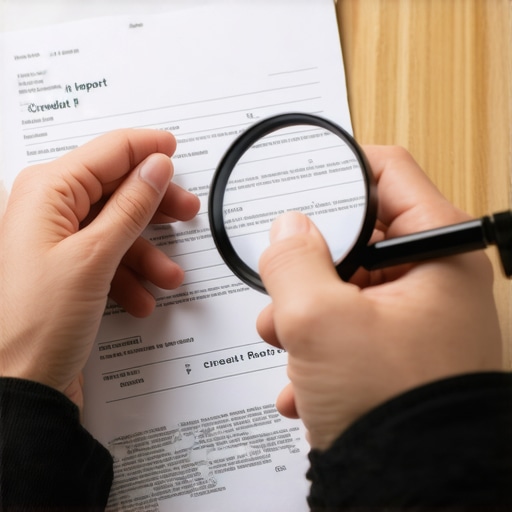
Many people believe that achieving a high credit score is primarily about paying bills on time or keeping balances low, but this oversimplification can lead to costly mistakes. One common misconception is that all credit errors are minor or inconsequential; in reality, some inaccuracies can drastically lower your score or delay approvals if not addressed properly. For example, duplicate accounts, outdated information, or misreported accounts can significantly impact your credit profile, yet many overlook these nuances, leading to missed opportunities for score improvement.
Another dangerous myth is that scrutinizing your credit report too often can harm your score. In fact, regularly reviewing your report via soft inquiries is advisable and does not cause damage—contrary to popular belief. The real risk lies in ignoring errors or delaying dispute processes, which allows inaccuracies to persist and compound over time. Skilled consumers know that timely corrections, supported by strong evidence, can boost scores more effectively than mere payment habits alone.
How can disputing errors actually harm your credit if not done correctly?
This is a nuanced area many overlook. Incorrectly disputing legitimate entries or submitting incomplete evidence can lead to longer investigation times or even temporary score dips due to prolonged inquiries. Moreover, aggressive or frequent disputes without strategy might trigger red flags with credit bureaus, causing delays or rejections of your claims. To avoid this trap, it’s vital to approach disputes methodically, using proven techniques and comprehensive documentation. For a comprehensive step-by-step approach, check out this detailed guide.
Advanced consumers also understand that not all disputes are equally beneficial. Prioritizing errors that have the highest impact on your score—such as outdated collections or duplicated accounts—can save time and yield better results. Ignoring this nuance often results in wasted effort on minor inaccuracies that don’t improve your credit standing significantly. For expert strategies on this, see Mastering Credit Repair and FICO Optimization.
In addition, some believe that FICO scores are static and only reflect your current financial behavior, but in reality, they are highly sensitive to report changes—both positive and negative. Being aware of how dispute results, account updates, or errors influence your score allows you to strategize maintenance or repair. For instance, correcting a misreported late payment can instantaneously lift your FICO, especially if it was a significant delinquincy dragging your score down. To deepen your understanding of these impacts, explore FICO Insights and Dispute Error Effects.
Remember, building and repairing credit isn’t just about avoiding mistakes—it’s about mastering the intricacies of how credit reports, scoring models, and error resolution interplay. Staying vigilant about inaccuracies, approaching disputes strategically, and understanding FICO’s sensitivities are what differentiate seasoned consumers from beginners. Have you ever fallen into this trap? Let me know in the comments, and let’s learn from these missteps together.
Keep Your Credit Maintenance Routine Simple Yet Effective
One of the most overlooked aspects of credit repair is implementing a reliable, repeatable system to keep your credit report accurate over time. Instead of sporadic checks, I recommend establishing a consistent process using dedicated tools. This proactive approach ensures errors don’t spiral out of control and that your FICO score benefits from steady improvements. Regular monitoring, dispute management, and strategic updates form the backbone of effective credit management.
My Favorite Software: Automated Credit Tracking
I personally use Credit Karma and Experian’s Free Credit Monitoring because they provide real-time updates on my credit profile. These platforms notify me immediately about any new inquiries or account changes, allowing me to act swiftly if anything appears suspicious. They also give a clear snapshot of my score trends, which helps me tailor my strategies. For more advanced users aiming for precise control, paid services like Credit Repair Cloud offer automation tailored to dispute tracking and managing multiple bureaus effectively.
Automate Dispute Management for Long-Term Success
Handling disputes manually each time is tedious and prone to error. I recommend leveraging Automated Dispute Platforms—these tools streamline the process by prioritizing errors with the highest impact on your FICO score and submitting targeted disputes. They also track responses, reminding you of pending investigations. This strategic automation reduces your oversight burden and ensures that no inaccuracies linger unnecessarily. To dive deeper into dispute accuracy, check out this comprehensive guide.
Long-Term Results: Monitoring and Adjusting Your Approach
Consistency is key. Over time, I’ve observed that your credit profile reacts positively to minor, sustained adjustments rather than quick fixes. Regularly reviewing your reports, especially after large financial moves like loans or new credit lines — guided by automation — allows you to identify potential issues early. By doing so, you maintain a healthier credit ecosystem that responds favorably to scoring models, especially as algorithms evolve.
Scaling Your Efforts: How to Grow Your Credit Confidence
Once you establish a solid maintenance process, consider scaling your activities with tools like FICO Score analyzers or personalized coaching services. Investing in education ensures you understand nuanced reporting factors, such as how FICO’s model sensitivities respond to different actions. These insights help you fine-tune your strategy, resulting in faster gains and more resilient credit profiles.
Remember, maintaining your credit isn’t a one-and-done task. It’s a continuous process, much like tending a garden—regular attention yields a thriving, healthy influence on your financial standing. Embrace automation, monitor diligently, and adjust your strategies to stay ahead. Try implementing automatic alerts for suspicious activity today; this small step can save you from costly mistakes and future disputes. For more detailed strategies, visit this expert resource and start building a resilient credit system now.
Throughout my journey with credit repair, I stumbled upon some lessons that fundamentally changed my approach. One of the most profound was realizing how overlooked errors—like a misspelled name—could be sabotaging my scores without me noticing. Addressing these inaccuracies often led to quick improvements, proving that precision in your credit report is a game-changer. Another insight was understanding that disputing errors strategically and with proper evidence can be more effective than random attempts, saving both time and frustration. Lastly, I discovered that maintaining ongoing vigilance—rather than reactive fixes—builds resilience in your credit profile, ensuring small mistakes don’t snowball into bigger problems over time.