

I remember staring at the empty patch of oil on my driveway where my sedan used to sit, my stomach doing backflips while I clutched a cold cup of coffee. It is a gut-punch that stays with you. But the real sting came weeks later when I realized I had never received a single piece of paper telling me it was coming, or what happened after they took it. I felt powerless, thinking the big banks held all the cards. I was wrong. It turns out, that silence from your lender isn’t just rude—it might be your golden ticket to getting that black mark deleted and stopping them from coming after you for a dime more. I am going to show you how I turned my own ’empty driveway’ moment into a blueprint for fighting back against sloppy bank procedures. Today, we are going to dive into the specific legal requirements lenders ignore and how you can use their silence to rebuild your financial standing.
Lenders Must Play by the Rules or Pay the Price
When I finally stopped sulking and started digging into the paperwork, I realized something wild: I did not have any. No ‘Notice of Default,’ no ‘Notice of Intent to Sell,’ nothing. I learned the hard way that one of the biggest mistakes you can make is assuming a repossession is an iron-clad death sentence for your FICO score. Early on, I just accepted it. I didn’t realize that the law holds lenders to an incredibly strict standard. If they don’t follow the rules—specifically regarding notice—they often lose their legal right to collect a deficiency balance or even report the debt as valid. According to the Uniform Commercial Code (UCC) Article 9, lenders are legally required to provide specific, timely notices. If they skip a step, you have massive leverage. You see, mastering credit repair and dispute errors starts with knowing your rights. If the bank can’t prove they sent you a ‘Right to Cure’ notice, they have basically handed you the eraser for your credit report. Have you ever checked your mail only to realize the bank ‘forgot’ to tell you where your car was being sold? I want to hear if you have been ghosted by your lender in the comments below.
Is This Just a Legal Loophole That Never Actually Works?
I get the skepticism. It feels like trying to win a marathon on a technicality. But in the high-stakes world of credit, technicalities are everything. If the bank can’t prove they followed the law, they shouldn’t be reporting the data. This is one of the most effective dispute error resolutions because it forces the bureau to look at the legality of the entry, not just whether you owed money. You are essentially telling the bureau that the lender didn’t have the legal authority to proceed as they did. To win this, you need the evidence you need to win a dispute against a bank, which often starts with a lack of a paper trail. If you want real results, you have to stop sending generic dispute letters and start pointing out these specific, procedural failures that make their reporting inaccurate.
Audit Your Mailbox Before You Audit Your Credit
When I was helping a friend tackle a repo with a local credit union, they swore up and down they had sent the ‘Notice of Intent to Sell.’ I didn’t take their word for it. I demanded the certified mail receipt and a copy of the specific document they claimed to have mailed. They went silent for three weeks, then suddenly sent a letter saying the account was ‘closed as a gesture of goodwill.’ That wasn’t goodwill; that was a bank realizing they had no leg to stand on because their paper trail was a mess. Think of the bank like a chef trying to follow a high-stakes recipe. If they forget the main ingredient—the legal notice required by state law—the whole dish is ruined. They can’t legally charge you for the ‘meal’ if they didn’t cook it by the book. This is where dispute errors on your credit report a step-by-step guide for 2025 becomes your primary weapon. You need to verify that they followed the UCC requirements to the letter. If they sold the car for a fraction of its value at a ‘private’ auction without telling you, they might have forfeited their right to any deficiency balance. 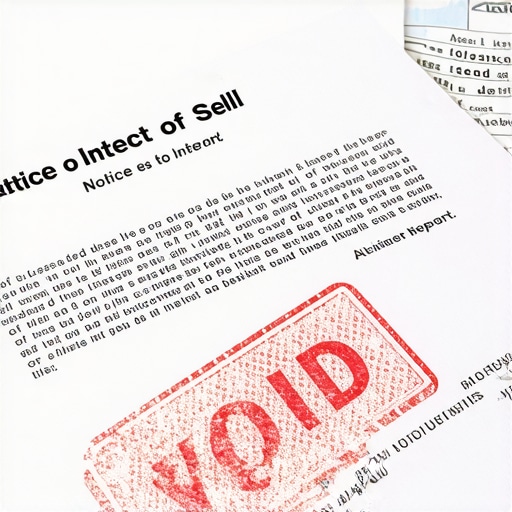
Stop Talking and Start Typing
One of the biggest traps people fall into is trying to argue their case over the phone. I’ve been there, pleading with a customer service rep who has zero power to change my file. You have to pivot. You should why you should stop calling debt collectors and start writing because your paper trail is the only thing the bureaus actually respect. When you write, you are creating a legal record of your request for verification. I always recommend asking for the hidden document that wins almost every credit dispute: the original contract and the specific ledger showing how they calculated the remaining balance. Most banks sell these debts to third-party collectors who have nothing but a spreadsheet with your name and a dollar amount. They don’t have the proof, and without proof, they can’t stay on your report.
Force the Bank to Prove the Math
It’s not just about the repossession itself; it’s about the ‘deficiency balance’—that nasty leftover amount you still owe after they sell the car. I once saw a lender try to add $3,000 in ‘storage fees’ that weren’t in the original contract. By demanding an itemized breakdown, we caught them inflating the debt. This is how you how to force a credit bureau to delete unverified debt fast. When the bureau asks the lender to verify the balance and the lender can’t explain their own math, the bureau is legally obligated to remove the entry. Sending the documentation bureau reps hate to receive, like a copy of your state’s repossession laws highlighted with their specific failures, forces a human to actually look at your file instead of letting an AI bot reject your dispute. You are essentially pointing out that the data they are reporting is legally unverified, which is a direct violation of the Fair Credit Reporting Act.But even if the math is right, there is a deeper trap waiting for you if you decide to just ‘pay it off’ to make the problem go away. I’ve seen too many people fall into the trap of thinking that writing a check for an old debt is a magic wand. In reality, it can be a total landmine. A common myth is that paying a collection will boost your score instantly. In my experience, unless you have an iron-clad agreement, it often does the opposite. This is why paying a collection might actually lower your score—it updates the ‘Date of Last Activity,’ making an old, decaying negative look like a brand-new failure to the FICO algorithm. Instead of just paying, you must learn how to negotiate a pay-for-delete agreement with collectors. 
Why did my score plummet after I finally closed that old account?
It feels like a betrayal. You pay off a loan and your score drops 30 points. This happens because FICO rewards ‘credit mix’ and ‘account age.’ When that installment loan closes, you lose a piece of your active credit diversity. It is one of the most frustrating credit repair secrets to swallow: sometimes debt is better for your score than no debt at all. According to a study by the Consumer Financial Protection Bureau (CFPB), nearly 25% of consumers identified at least one error on their credit reports that could affect their scores. If you are not looking at the ‘metadata’ like the date of first delinquency, you are missing the real fight. Why your score drops after you finish paying off a loan is a nuance that most beginners ignore, but it is critical for timing your next major purchase.
The ‘Oops’ moment that restarts the clock
The biggest ‘oops’ factor I see involves people talking to collectors on the phone and accidentally acknowledging that the debt is theirs. This can reset the statute of limitations in some states. You need to know the one mistake that extends the life of your debt before you even pick up the phone. This is why you must learn how to stop junk debt buyers from re-aging your old accounts. If they move that date forward, they keep that black mark on your report for another seven years. It is a dirty trick, and it is why I always tell my readers to learn how to bypass the AI review in credit disputes by sending physical mail with specific evidence. Have you ever noticed an old debt suddenly looking ‘new’ on your report? Let me know in the comments if a collector has tried to pull this on you.Maintaining that hard-earned score isn’t a ‘set it and forget it’ situation. I’ve seen people do the grueling work, secure those beautiful deletions, and then watch their score tank three months later because they lacked a long-term system. I personally swear by a physical ‘Credit Bible’—a simple accordion folder where every single dispute letter, every certified mail receipt, and every response from a bureau lives. If you rely solely on a phone app, you are at the mercy of their server. When you need to prove a bank failed to verify a debt within 30 days, you need the evidence log that wins every investigation. It is about being more organized than the bank’s underpaid data entry clerk. Building a fortress around your credit involves expert tips for correcting credit errors and boosting FICO that focus on the ‘metadata’ of your report, not just the balances.
What Tools Actually Matter for Long-Term Success?
Most people ask which app they should download, but the real ‘tool’ is your calendar. I use a strategy where I stagger my credit check-ups every four months across the three major bureaus. While everyone is obsessed with their daily score fluctuations, I am looking at the ‘Date of Last Activity’ and the ‘Payment History’ grids for any ghost entries. This is where the habit of high score achievers the 15-15 rule for payments becomes your best friend. By making two payments a month, you ensure your reported utilization is always at its floor. If you are struggling with a thin file, look into how a secured loan can fix your credit mix without new debt. It provides the ‘Installment Loan’ data point that the FICO algorithm craves without the risk of high-interest predatory lending. 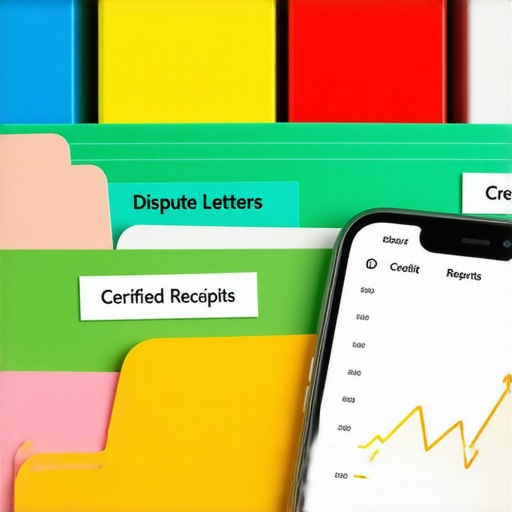
The Shift Toward Trended Data and FICO 10T
I predict that within the next two years, the ‘snapshot’ method of credit scoring will be dead. We are moving toward a ‘Trended Data’ world. FICO 10T and newer models don’t just look at what you owe today; they look at your trajectory over the last 24 months. According to FICO’s technical documentation for the 10T model, consumers who consistently reduce their total debt over time are rewarded significantly more than those who simply carry a low but static balance. This makes understanding the specific way lenders view your FICO 8 vs FICO 9 more than just trivia—it is a survival guide for your future borrowing power. If you are not showing a downward trend in your balances, you might find your score stagnating even if you pay on time every month. Your homework today: Open your credit monitoring app, find one account you haven’t looked at in six months, and verify the ‘Date of Last Activity’ matches your records. If it doesn’t, that is your first target for a specific, evidence-backed dispute.
The Brutal Truth About Bank Errors Most People Ignore
Banks count on your shame. When I lost my car, I felt like I deserved the credit hit. That mindset is exactly what they want because it stops you from questioning their sloppy paperwork. It was a lightbulb moment for me when I realized that credit repair is not about hiding the truth, but about enforcing accuracy.
The ‘Date of First Delinquency’ is the most weaponized date on your report. Lenders often fudge this to keep the debt fresh, a tactic I had to learn to spot by looking at my original bank statements. If you see this date moving, you need to know how to spot a re-aged debt on your experian report immediately.
Winning isn’t always about proving you didn’t owe money; it’s about proving they didn’t follow the Uniform Commercial Code. If they missed one letter, they lose the right to report. I’ve found that the ultimate guide to dispute errors and credit building in 2025 provides the structural framework you need to challenge these entries correctly.
#IMAGE_PLACEHOLDER_E#
Tools That Helped Me Regain My Financial Power
I didn’t do this alone; I used a specific set of tools to stay organized. First, the Consumer Financial Protection Bureau (CFPB) complaint portal is your best friend when a bank ignores your letters. Second, I always keep a copy of the document checklist for your first credit dispute printed out in my ‘Credit Bible’ folder. This keeps me from missing small details that could cause a dispute to be rejected.
Lastly, I recommend using a simple Certified Mail tracker. Never send a dispute without it. It is the only legal proof that the 30-day clock for the bureau has actually started. For those just starting out, understanding fico dispute errors and credit repair hacks can help you navigate these initial steps without feeling overwhelmed.
Start Your Comeback Story Today
Don’t let a past mistake define your future. I’ve seen people go from a repossession to a 750 score in less than two years just by being persistent. It takes work, but the freedom of having a clean report is worth every letter you write. You have the tools and the knowledge now—it’s time to take back control of your financial destiny and master the art of dispute errors.
Did your lender actually send you a ‘Notice of Intent to Sell’ or did they just leave you in the dark? Share your experience in the comments below—it might help someone else fighting the same battle!