

I remember the exact moment I realized I was drowning in debt, feeling overwhelmed every time I opened my mailbox or checked my online banking. It was a slow build—missed payments, mounting interest, and the constant worry about my credit score plummeting. One evening, after a particularly stressful day, I had a lightbulb moment: what if I used a personal loan to consolidate my debts? That simple idea changed my financial story. If you’re tired of juggling multiple credit card payments and fear spiraling further out of control, keep reading. Today, I’ll share how leveraging a personal loan can work for you, backed by my personal experience and proven strategies.
Why Consolidating Debt with a Personal Loan Could Save Your Finances
Using a personal loan to consolidate debt is like taking a chaotic bunch of unruly kids and putting them under one responsible babysitter. Instead of managing several payments with different due dates, you’ll have one manageable monthly installment. Plus, most personal loans offer lower interest rates than credit cards, which means less money paid in interest over time. This not only helps you pay off your debt faster but also boosts your credit score by reducing your credit utilization ratio—a major factor in FICO calculations. According to a report from the Consumer Financial Protection Bureau, managing debt through consolidation can improve financial stability if done responsibly. So, if you’re already feeling the weight of multiple debts, a personal loan might be the lifeline you need.
Ever wondered if this approach really works, or is it just another hype?
Early on, I made a big mistake—I didn’t shop around for the best personal loan interest rate. I just found the first offer that seemed okay, thinking it was better than my credit card rates. Turns out, I missed out on better terms that could have saved me hundreds of dollars. This taught me a crucial lesson about research and comparing loan options. If you’re curious how to avoid common pitfalls and decide if debt consolidation with a personal loan is right for you, I’ll walk you through the essential steps so you won’t make the same mistake I did. Ready to take control of your financial future? Let’s dive in—and if you’re still unsure whether this is the right move, don’t hesitate to reach out through [our contact page](https://creditclaritys.com/contact-us).
Select the Right Personal Loan
Begin by researching lenders that offer personal loans with favorable interest rates and terms. Use comparison tools to identify options with lower APRs than your credit cards. When I needed a consolidation loan, I applied to multiple lenders and focused on those offering no prepayment penalties and flexible repayment schedules. This step ensures you minimize interest costs and have manageable payments, setting you up for success.
Gather Your Financial Documents
Collect recent pay stubs, bank statements, ID proof, and details of your existing debts. Having these ready streamlines the application process. I personally kept a folder with all the necessary documents, which helped me quickly submit applications and compare offers efficiently. Proper documentation also strengthens your credibility with lenders.
Apply Strategically and Compare Offers
Submit applications to several lenders, but do so within a short window to minimize credit inquiries’ impact on your score. Once approved, compare the loan terms carefully—interest rate, repayment period, fees. I found that accepting the loan with the lowest total repayment cost motivated me to stick to my plan, avoiding further debt escalation.
Create a Debt Repayment Plan
Prioritize paying off higher-interest debts first or follow a snowball method—paying smaller debts to gain momentum. I started by directing all extra funds toward my credit cards with the highest interest, which accelerated my debt payoff. Consistent payments on the personal loan then replaced multiple high-interest bills, simplifying my finances.
Update Your Credit Report
After paying off existing debts with your new loan, ensure your credit report reflects these changes accurately. Regularly review reports for errors. If discrepancies arise, dispute them promptly—misreported balances or closed accounts can impact your score. Consistently monitoring helps maintain an accurate credit profile.
Manage Your Credit Following Consolidation
Maintain good habits—pay bills on time, keep balances low, and avoid accumulating new debt. For example, I set up automatic payments to ensure I never missed a deadline, which positively impacted my payment history, the most significant factor in credit scoring. Small efforts here preserve your improved credit standing.
Watch Out for Common Pitfalls
Overextending your loan amount or closing old credit accounts prematurely can backfire, reducing your credit mix and length of credit history. Remember, keeping older accounts active—even if unused—can benefit your FICO score by demonstrating long-term credit stability. Review guides like this article to understand why old accounts matter.

Visual diagram illustrating the debt consolidation process and timeline for credit score improvement.
Many people operate under common assumptions about credit scores and repair, but in reality, the nuances are far more complex. A widespread myth is that paying off collections automatically boosts your FICO score; however, recent studies show that paid collections can still negatively impact scores, and the type of collection matters. For example, medical collections often weigh less than credit card debts, but they still require specific strategies for effective resolution. Understanding these subtleties is crucial for effective credit management.
Another misconception is that credit disputes always lead to a positive correction. While disputing errors is essential, many consumers don’t realize that frivolous or unsupported disputes can backfire, leading to investigation delays or even penalties if misused. The key is to know which errors are worth contesting and how to present evidence effectively, as detailed in this guide.
What advanced mistakes do consumers often overlook when trying to optimize their FICO scores?
One advanced error is neglecting the impact of new account openings on your credit mix and overall score. While adding new credit can improve credit diversity, it can also trigger score dips if not timed properly or if you carry high balances. Moreover, consumers frequently overlook the importance of the length of credit history—closing old accounts prematurely may seem advantageous but can actually shorten your average account age, damaging your score. According to experts, maintaining a healthy credit history involves a strategic balance of keeping old accounts active while responsibly managing new ones.
Furthermore, many fall into the trap of assuming that all credit reports are free from errors and don’t require regular review. In reality, credit bureaus often misreport data, which can unjustly lower scores. Disputing inaccuracies with well-supported evidence, as explained in this resource, is essential. Failure to regularly monitor your credit report can allow small errors to persist, eroding your credit standing over time.
Finally, misunderstanding the role of credit utilization—it’s not simply about high or low balances but also how you distribute your debts across accounts. For example, focusing on reducing balances on a single high-utilization card can have a more significant impact than spreading payments thinly. The nuances of credit utilization are critical to mastering because they directly influence your FICO score’s key components. For a deeper dive into dispute strategies and how to leverage them effectively, check out this article.
Have you ever fallen into this trap? Let me know in the comments. Remember, understanding these subtleties can make or break your credit journey.
Keep Your Credit System Running Smoothly
Once you’ve established a solid credit foundation, maintaining and scaling it requires the right tools and strategies. I personally rely on a combination of specialized software and disciplined methods to monitor progress, identify errors, and optimize my credit profile over time. These tools enable me to act swiftly on discrepancies and ensure my efforts yield long-term results.
One indispensable tool I use is Credit Karma. It offers free weekly credit monitoring, detailed reports, and tailored advice, helping me spot any sudden changes—like unfamiliar inquiries or inaccuracies—that could harm my score. Its user-friendly interface makes it easy to track multiple accounts and see the impact of my actions in real-time. Additionally, I integrate my credit data with Experian’s CreditWorks, which provides deeper insights, including FICO Score simulations that help me predict how specific actions, like paying down debt or opening new accounts, will influence my score.
For dispute management, I leverage expert-verified dispute templates and keep meticulous records of all communications. Maintaining an organized evidence log, including screenshots and correspondence, has proven critical whenever discrepancies arise. I also use Personal Capital for tracking my savings and debt payoff progress, ensuring my credit journey aligns with my broader financial goals.
Looking ahead, the trend is increasingly toward automated credit monitoring and AI-driven insights. As technology advances, tools will become more proactive—alerting you to potential issues before they impact your score and suggesting personalized strategies to boost your credit profile efficiently. Staying ahead means adopting these emerging technologies early.
How do I keep my credit healthy over time?
Consistency and vigilance are key. Regularly review your credit report—at least quarterly—to catch errors early. Automate your payments to avoid late payments, which are the biggest detriment to your score. Using tools like comprehensive credit management systems ensures your accounts stay in good standing. Remember, even small, consistent actions compound over time, reinforcing your credit health for long-term success.
If you’re serious about scaling your credit profile, I recommend trying advanced techniques like utilizing credit builder loans responsibly. These can accelerate credit building without adding unnecessary risk, especially if you combine them with vigilant monitoring and dispute readiness.
Keep in mind, the more tools you integrate into your process, the more resilient your credit profile becomes. Staying proactive today sets the stage for greater financial flexibility tomorrow.
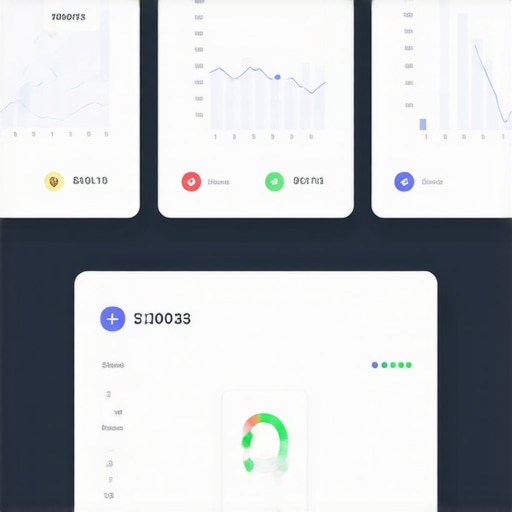
Illustration of a modern credit dashboard showing monitoring, alerts, and credit score trends over time.
By employing specialized software and disciplined methods, you can ensure your credit remains strong and adapts to future opportunities. Don’t wait for a crisis—regularly update your toolkit and strategies to stay ahead. Want to learn more about advanced dispute techniques? Visit this detailed guide. Take the initiative today; your credit health depends on it.
What I Wish I Knew Earlier About Credit Stability
One of the toughest lessons I learned was how even small credit missteps can have outsized impacts. For example, I discovered that closing an old credit account without considering its effect on credit age could unexpectedly lower my score, despite my good payment habits. Recognizing the importance of maintaining a diverse credit mix and a long-standing credit history was a game-changer, and it made me realize that quick fixes often don’t lead to lasting success.
Another eye-opener was understanding that paid collections don’t always boost your score as much as I expected. It turns out that some collection accounts, even when marked as paid, can linger in the credit scoring models, especially if they’re medical bills or small balances. This challenged my assumption that paying off debts automatically improves credit, prompting me to adopt more strategic dispute and negotiation tactics.
Finally, I learned that a proactive approach—regularly reviewing my credit report and disputing inaccuracies—is essential. I used to only check annually, but now I know that frequent monitoring helps catch errors early, saving me from unwarranted score drops and unnecessary reapplications for credit. These lessons, learned from my own struggles, underscore the importance of continuous education and strategic planning to build and preserve a healthy credit profile.
My Go-To Resources That Accelerated My Credit Journey
For me, Build Credit Fast became an invaluable resource—it provided actionable tips on correcting errors and boosting my FICO score responsibly. I found that applying their dispute templates and guidelines made the process much less overwhelming.
Another favorite is Understanding Credit Errors. This guide helped me identify and fix mistakes on my credit report that I hadn’t even realized existed, preventing them from dragging down my score in the long run.
Additionally, I rely on tools like Credit Repair Secrets to keep track of ongoing disputes and ensure I stay on top of my credit health. These resources combined have empowered me to take control of my credit profile actively, rather than just passively hoping for improvement.
Lastly, I trust Credit Builder Loans because they offer a safe way to strengthen credit without unnecessary interest, especially when combined with diligent monitoring. They’ve helped me create a sustainable, long-term positive credit history, reinforcing the power of responsible credit use.
You’re Capable of Lasting Credit Success
The road to excellent credit isn’t paved with quick fixes but with deliberate, informed actions. Every small step—disputing inaccuracies, maintaining old accounts, responsibly using new credit—compounds into lasting improvements. Remember, your credit health is a reflection of consistent habits and smart choices. Embrace the learning process, leverage proven resources, and stay vigilant—you’re capable of achieving and maintaining the credit profile you desire. Are you ready to take that next step and turn your credit story around? I’d love to hear your thoughts—what’s the one credit myth you’ve broken free from? Let me know below.