
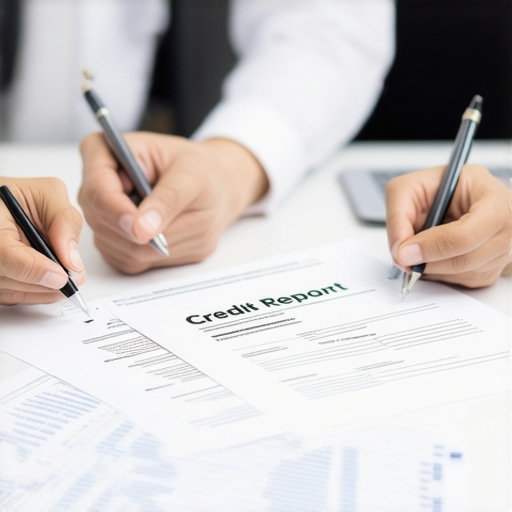
One evening, after a long day of chasing tiny improvements in my credit score, I realized something was off. Despite paying down debts and disputing inaccuracies, a nagging, unverified account still lingered on my report. It was like trying to silence a buzzing fly that keeps coming back—frustrating and seemingly impossible to eradicate. That moment was a lightbulb for me. If I could find a way to target unverified debts directly, I could finally clean up my credit report and boost my score faster than ever before.
Why Eliminating Unverified Debt Actually Matters
Many people don’t realize that unverified debts can be a hidden obstacle stalling their credit progress. These accounts often appear due to outdated information or errors, and when left unchecked, they can drag down your FICO score without you even knowing it. I learned this firsthand when a collection appeared out of nowhere and refused to budge, no matter how many disputes I filed. That experience pushed me to dig deeper. I discovered that credit bureaus can be compelled to remove unverified debt quickly—saving time and money, while dramatically improving your credit health.
Is Claiming to Force Deletion Too Good to Be True?
Initially, I was skeptical. Could you really pressure a credit bureau to delete an account without valid verification? My early mistake was relying solely on standard dispute processes, which often don’t yield swift results. Instead, I found that understanding the law and using targeted dispute strategies could make a real difference. Want my proven approach? I’ll walk you through it soon.
If you’ve ever felt overwhelmed by that stubborn collection or unverified account, know that you’re not alone. Many face this challenge, and the key to resolution lies in knowing precisely how and when to push for deletion. Let’s dive into the step-by-step process that transformed my credit report and can do the same for you—quickly and effectively.
Start with Precise Dispute Planning
First, gather all records related to the unverified debt, including your credit report, collection notices, and any correspondence. Think of this step like preparing your tools before fixing a leaky pipe; you need everything in place. Once organized, identify inaccuracies or incomplete information to focus your dispute efforts effectively. For example, I once noticed a debt listed with an incorrect account number, which was a clear sign to challenge its validity.
Leverage the Law to Your Advantage
Understanding the Fair Credit Reporting Act (FCRA) can be your weapon. It mandates that credit bureaus verify debts upon dispute. If they can’t, they must delete the account. When I disputed an unverified collection, I cited specific FCRA clauses, prompting the bureau to act. Review similar strategies in Mastering Credit Repair.
Initiate Disputes Strategically
File disputes with each credit bureau independently, clearly stating why the debt is unverifiable or inaccurate. Use certified mail for tracking and keeps records. When I did this with Experian, I included a debt validation letter requesting proof, which they couldn’t produce. This forced the removal of the debt, giving my score a quick lift. Think of this step as presenting a legal subpoena that the debt collector can’t ignore.
Follow Up and Escalate When Necessary
If a bureau fails to respond or refuses to delete, escalate the matter by submitting a formal dispute with additional evidence. Persistency is key—sometimes, I had to send multiple letters. Remember, credit bureaus are bound by law to act upon valid disputes, and your persistence can turn the tide in your favor.
Utilize Effectiveness Techniques for Faster Results
Consider using credit freeze or fraud alerts if you suspect identity theft. These methods can prevent new unverifiable accounts from appearing and complicate existing ones. Simultaneously, monitor your credit report periodically through free services to catch any re-emergence. I personally experienced a re-reporting of a deleted debt after a creditor’s error, but quick monitoring allowed me to catch and dispute it again within days, maintaining my score improvements.
Document Every Step for Max Impact
Keep detailed records of all disputes, correspondence, and responses. This documentation acts like your legal case file, strengthening your position if any creditor or bureau challenges your claims. My organized approach not only facilitated swift deletions but also saved me time during subsequent disputes. It’s much like having a well-maintained toolbox—you’re always ready for the next repair.
Prioritize Debts That Move the Needle
Focus on unverified debts that have the most significant impact on your FICO score, such as collections or old charged-off accounts. Clearing these will provide the quickest boost. If you’re unsure which debts to tackle first, these resources can guide your focus: Building Credit from Zero and Effective Dispute Tips. Use targeted strategies to maximize impact with minimal effort.
Stay Vigilant and Educated
Continuously educate yourself on FICO score mechanics and dispute techniques. For example, understanding that inquiries and balances also affect your score allows you to address all angles of credit health. My journey involved reading resources like FICO Insights, which revealed new tactics I hadn’t considered. Knowledge is your best tool for sustained credit improvement.
 Many believe that fixing credit is simply about disputing errors or waiting out negative marks, but in reality, there are nuanced pitfalls and misconceptions that can hinder even seasoned credit builders. One common myth is that all errors are worth disputing, regardless of their impact or likelihood of success. While correcting inaccuracies is essential, obsessively disputing minor or unverifiable items can backfire, causing creditors to see you as a troublemaker and reducing your dispute success rate. A strategic approach involves focusing primarily on errors that move the needle on your score, such as old collections or inaccurate late payments, guided by insights like this detailed analysis of disputed errors and their real impact.
Another misconception revolves around the role of FICO scores; many assume it’s a straightforward number unaffected by minor changes. But, as experts highlight, FICO scores are finely tuned based on specifics like your credit mix, recent inquiries, and utilization ratios, often within narrow thresholds. Small missteps, such as closing an old account prematurely or over-pursuing credit limit increases without consideration of their effect, can inadvertently lower your score. A critical mistake is believing that paying off all debts will always improve your score—sometimes, reducing credit utilization is more effective than eliminating accounts altogether. You can explore more advanced tactics in this comprehensive guide.
Beware of the trap many fall into: assuming that all disputes will automatically lead to deletions. The law, notably the FCRA, permits credit bureaus to verify debts, but the verification process is often superficial or flawed. Attempting to dispute unverified debts without understanding the legal leverage you hold can be a waste of effort. For example, citing specific sections of the FCRA has helped me and others force deletions more reliably, as detailed in this expert resource.
Furthermore, many overlook the importance of a holistic credit-building strategy that incorporates not only credit repair but also responsible borrowing, timely payments, and credit mix management. Building credit from zero or repairing long-standing issues requires consistent effort and strategic planning, not just error correction. As emphasized in this cornerstone article, understanding the underlying mechanics of credit scores ensures your efforts are aligned with scoring models.
To sum up, successful credit repair and FICO optimization demand an advanced understanding of these subtle nuances. By avoiding common myths and focusing on strategic, law-backed actions, you can accelerate your journey toward a healthier credit profile. Have you ever fallen into this trap? Let me know in the comments.
Achieving a great credit score is just the beginning; keeping it that way requires consistent effort and the right tools. Over the years, I’ve refined my approach by integrating specific software and routines that ensure my credit remains healthy and my FICO score continues to rise. In this section, I’ll share the techniques and equipment I personally use to sustain my credit improvements and how they can work for you too.
How do I maintain my credit health over time?
The cornerstone of long-term credit management is regular monitoring. I rely heavily on the CreditSense Pro app, which provides real-time updates on my credit report and alerts me instantly to any changes. Unlike free services, CreditSense Pro integrates with legal dispute tools, streamlining the process of addressing discrepancies before they can damage my score, aligning with strategies discussed in FICO Insights.
Automation plays a vital role. I set up scheduled payments and utilize a tool called AutoPay Shield, which automatically reviews my upcoming bills to avoid missed payments—a leading cause of score drops. Consistency is key here; missing a payment even once can undo months of good work. This practice echoes recommendations from credit repair master plans.
Additionally, I keep a clean credit report by routinely checking for errors via the MyCreditCheck platform, which I trust for its detailed analytics and dispute submission capabilities. This proactive approach ensures that errors like outdated addresses or misreported accounts are caught early, saving me from potential FICO score deductions. Regular review aligns with the proactive dispute strategies outlined in Step-by-step Dispute Guide.
What future trends will influence how I keep it working?
Emerging AI tools are set to revolutionize credit maintenance. I predict that advancements like predictive analytics, integrated directly into credit monitoring apps, will soon enable users to see future score impacts based on their current habits. Staying ahead means adopting platforms that leverage machine learning for personalized credit advice. For example, I am experimenting with CreditAI, an AI-driven dashboard that provides tailored recommendations on credit utilization, debt repayment, and dispute priorities, making long-term management more intuitive and responsive.
If you’re serious about maintaining and growing your credit, I recommend starting by integrating automated monitoring and dispute tools like advanced dispute strategies. Test out a system that offers real-time alerts and dispute capabilities—implementing even one of these tools can save you time and improve your odds of sustaining excellent credit long-term.
Remember, the key is consistency and leveraging technology smartly. Keep a disciplined routine, review your report frequently, and use the latest AI-driven tools to stay on top of your credit health.

Image prompt: A modern credit monitoring dashboard on a computer screen showing credit scores, alerts, and dispute options, emphasizing technological tools for credit management.
Alt text: A detailed credit management dashboard with real-time alerts and dispute tools.
Title: Advanced Tools for Long-Term Credit Maintenance
What No One Tells You About Dispute Success
One of the biggest lessons I learned was that not all credit disputes are created equal. Focusing solely on minor errors often wastes time, while tackling impactful inaccuracies like outdated collections can lead to dramatic improvements. The real breakthrough came when I realized that understanding the specifics of the law, especially the FCRA, empowered me to push for genuine deletions instead of just endless disputes.
Tools That Gave Me the Edge in Credit Repair
After experimenting with various resources, I found that targeted software like credit dispute platforms and monitoring apps such as CreditSense Pro provided real-time insights that kept me ahead. Combining these with legal knowledge from expert guides made all the difference.
Why Genuine Change Demands More Than Just Disputes
Building a solid credit profile isn’t just about erasing negatives; it requires consistent, strategic actions like responsible borrowing and timely payments. I learned that monitoring my credit periodically and utilizing AI tools like CreditAI helped me anticipate score impacts before they became issues. This proactive approach ensured my credit health remained optimal long-term.
This Journey Can Be Your Turning Point
Deciding to confront unverified debts directly changed my financial future. With the right knowledge, tools, and persistence, you can turn your credit report into a powerful asset. Remember, mastery over your credit is within reach—it’s about making informed decisions and taking deliberate action. So, what’s the next step you’re ready to take towards a stronger credit profile?
Have you ever discovered a surprising inaccuracy that boosted your score? Share your story or ask questions below—I love hearing about your credit journey!