
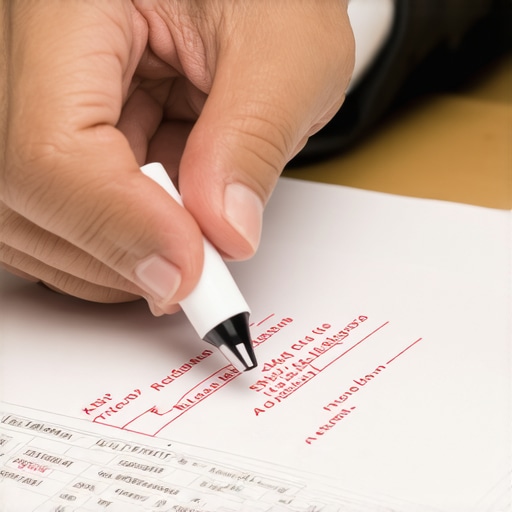
I remember sitting at my kitchen table, nursing a cold coffee and staring at my latest credit report in total disbelief. Two months prior, I’d finally negotiated a settlement on an old credit card debt. I felt like a weight had been lifted. But there it was—the account was marked as ‘Settled,’ yet the balance field still showed $1,200. My heart sank. I had the confirmation number. Yet, my FICO was stuck in the mud. I had done everything ‘right,’ but my score hadn’t budged an inch. It felt like I was being punished for a debt I had already handled. This is the frustrating reality for many of us: you think the battle is over, but the data entry ghost continues to haunt your score. Today, I’m going to show you exactly how to exorcise that ghost and ensure your report reflects the truth. [image]
The Ghost Balance That Refused to Die
When I first saw that lingering balance, I made a classic mistake: I panicked and hit the ‘dispute’ button on a credit monitoring app. I thought the system would just see the word ‘settled’ and zero out the balance automatically. Spoiler alert: it didn’t. In fact, learning why your score didn’t move after you settled that debt became a painful lesson in how credit bureaus actually process data. They aren’t looking for fairness; they are looking for matching data points. If the creditor didn’t update the balance field to $0, the bureau’s algorithm just keeps reporting it as an active liability. This is a massive problem because your debt-to-limit ratio remains bloated, dragging down your score even though you no longer owe the money. According to a report by the Consumer Financial Protection Bureau (CFPB), millions of Americans face these same automated reporting hurdles every year. Have you ever checked your report and felt like you were looking at a version of yourself from three years ago?
Will a bureau actually listen to a human like me?
It’s easy to feel like a tiny speck against the giants like Experian or TransUnion. You might worry that disputing a settled account will somehow backfire or that you need a law degree to get a correction. I’ve been there, thinking I was shouting into a void. But the truth is, you have the law on your side. The Fair Credit Reporting Act (FCRA) mandates that if information is inaccurate, it must be corrected or removed. The key is focusing on effective dispute error resolution to boost your credit score in 2025 through the right paperwork, not just digital clicks.
Why Your Settlement Letter Isn’t Magic on Its Own
Early in my journey, I thought my settlement agreement letter was a golden ticket. I sent a blurry photo of it to the bureaus and expected an immediate apology. Instead, I got a ‘dispute frivolous’ response. The mistake? I didn’t provide a clear trail. You need more than just the agreement; you need the proof of payment and a specific demand for a balance update. If you don’t use the specific document that forces a creditor to update your status, they might just let that balance sit there indefinitely. It’s not necessarily malice—it’s often just a broken communication chain between the bank’s billing department and their reporting department. We’re going to fix that chain today.
Audit Your Way to a Zero Balance
The first thing you have to do is stop looking at the summary page on your credit app. You need the raw data. When I was fighting my own ‘ghost balance,’ I realized I was only looking at pretty charts that didn’t show the full picture. You need to how to audit your credit report for hidden reporting errors by looking at the ‘Date of Last Activity’ and the ‘Balance Due’ side-by-side. If the date of last activity is *after* your settlement payment, but the balance isn’t $0, you’ve found the smoking gun. It’s like a restaurant charging you for a steak you already paid for just because the waiter forgot to close the tab in the computer system.
Build an Evidence Log They Can’t Ignore
Don’t just throw a settlement letter at the bureau and hope for the best. I once spent three months shouting into the digital void over a $400 mistake. Every time I uploaded a scan of my receipt to the portal, the automated system kicked it back as ‘verified.’ It wasn’t until I built a structured evidence log that forces a bureau manual review that things actually changed. This log should include your original settlement agreement, the canceled check or bank statement showing the money leaving your account, and a copy of the specific credit report page with the error circled in thick red ink. This creates a narrative that a human employee can follow, even if the algorithm fails to connect the dots.
Stop Clicking and Start Typing
The ‘Dispute’ button on credit monitoring websites is often a trap. It is designed for speed, not for accuracy or nuance. When you click that button, your complex financial situation is reduced to a two-digit code that an AI processes in milliseconds. To get real results and ensure your FICO score reflects your hard work, you must how to force a manual review when the bureau robots say no. This means writing a physical letter. Think of the online portal as a self-service kiosk and a physical letter as speaking directly to a manager. One is efficient for the credit bureau; the other is effective for you.
Why You Should Always Send via Certified Mail
There is a psychological and legal power to a letter that requires a signature. When you why you should always send dispute letters via certified mail, you are starting a legal clock that the bureaus cannot ignore. Under federal law, they have a specific window to investigate. If they don’t, the inaccurate item must be removed. By having that green return receipt in your hand, you have ironclad proof that they received your evidence. When I finally sent my ‘ghost balance’ dispute via certified mail, I got a correction in 18 days. The ‘frivolous’ tags stopped because they knew I was keeping a paper trail.
Beat the Frivolous Response Trap
If you get a letter back saying your dispute is ‘frivolous,’ do not panic or give up. It is a common automated stall tactic used to thin out the number of active disputes. You need to know how to handle a bureau that says your dispute is frivolous by immediately responding with even more documentation. I once had to send a second letter that included my ID, a recent utility bill, and the original evidence again, essentially telling the bureau: ‘I am a real person, this is a real error, and I am not going away.’ It is annoying, but persistent follow-up is the only way to break through the bureaucratic wall and finally see the FICO jump you’ve earned through your settlement.
A common belief in the credit-repair community is that you should delete every negative mark at any cost. But here is the contrarian truth: a blank credit report isn’t necessarily a strong one. Everyone says that deleting old, settled accounts is the ultimate goal, but in my experience, purging an account that has significant age can sometimes do more harm than good. This is because FICO models lean heavily on the ‘age of oldest account.’ If you successfully delete a seven-year-old settled debt that happened to be your oldest trade line, you might wake up to find your score has dropped because your credit history suddenly looks five years shorter. This is one of those credit repair secrets how to resolve disputes and elevate your credit standing that the automated apps never tell you.
A Blank Credit Report Might Be Your Worst Enemy
The nuance lies in balancing the ‘negativity’ of the error against the ‘seniority’ of the account. Before you fire off a dispute, you must calculate the impact of losing that history. A study by the Federal Trade Commission (FTC) revealed that while one in five consumers had an error on at least one of their three credit reports, the correction of those errors didn’t always result in a massive score increase. Sometimes, the ‘fix’ is simply ensuring the balance is zeroed out while keeping the account on the record to preserve that precious timeline. When you are mastering credit repair dispute errors and fico optimization, you learn that surgical precision beats a sledgehammer every time.
Can a perfectly executed dispute actually lower your score?
Yes, it absolutely can. This is the ‘oops’ factor many people ignore. When you dispute an account, you run the risk of the creditor ‘re-aging’ the debt. If they respond to the bureau with updated information, they might accidentally (or intentionally) refresh the ‘date of last activity.’ This makes an old, dusty debt look brand new to the FICO algorithm, which treats recent late payments or collections much more harshly than old ones. You need to know how to spot a re-aged debt on your credit report immediately to prevent this from stalling your progress for another seven years.
Why Your Corrected Data Might Reset the Clock
Another nuance involves the ‘Zero Balance’ myth. We are taught that zero is always the hero, but for those of us deep in the FICO weeds, we know about the ‘All Zero’ penalty. If every single one of your accounts reports a $0 balance, the algorithm might actually dock you points because it cannot calculate your current reliability with credit. This is why why a zero balance is not always the best for your score; often, having one card reporting a tiny 1% utilization is the ‘sweet spot’ for maximum points. It’s about showing active, responsible management rather than total avoidance.
Understanding these layers is what separates a novice from an expert. You aren’t just cleaning up a document; you are managing a living data profile. Have you ever fallen into the trap of deleting an old account only to see your score drop? Let me know in the comments. If you are just starting this journey, make sure you understand why your credit history length is a critical factor for loans before you start hitting the delete button on every old line of credit you see.
The Spreadsheet That Saved My Sanity
When I was in the thick of my credit repair battle, I wasted hundreds of dollars on ‘automated’ software that promised to do the work for me. The reality was a mess of generic templates and missed deadlines. I eventually realized that the danger of using credit repair software without a plan is that it removes the human element needed for complex disputes. Now, I keep a simple, master Excel file. I track every single letter sent, the date of the certified mail receipt, and the exact date the bureau is legally required to respond. This isn’t just about being organized; it’s about having a weaponized paper trail. If you are struggling with a system that feels too big to fight, remember that the problem with using credit repair software for complex errors is that it often triggers the very ‘frivolous’ filters we are trying to avoid.
I also highly recommend getting comfortable with why you should always request a paper credit report once a year. Digital dashboards are great for quick checks, but they often hide ‘soft’ data points that can reveal how to audit your credit report for incorrect account dates. This manual tracking is how I caught a major lender trying to re-age a settled debt. As credit expert John Ulzheimer, formerly of FICO and Equifax, has often noted in his technical breakdowns, credit scores don’t have a ‘memory’—they are a snapshot of the data available at that exact second. If your data is wrong, your snapshot is ugly.
How do I keep my score high without checking it every five minutes?
Maintenance is where most people fail. They fix the error, see the score jump, and then stop paying attention. I use a ‘set and forget’ strategy by setting up small, recurring payments on my oldest cards. This ensures I never hit that ‘inactivity’ wall. I’ve learned that how to monitor your credit for small changes that matter is about looking for the ‘trend,’ not the daily flicker. You should be mastering fico proven strategies to improve your credit dispute score by ensuring your utilization stays low across every single account, not just your overall total. If you have five cards and one is maxed out, your score will suffer even if the others are at zero.
Looking ahead, I predict we are moving toward a world of ‘Real-Time Reporting.’ Currently, lenders report in monthly batches, but AI-driven systems are making it easier for them to update your status instantly. This means credit-repair-tips-correcting-dispute-errors-effectively will become even more critical because mistakes will impact your buying power in minutes, not weeks. To stay ahead, you need to be mastering credit repair dispute errors and fico optimization by treating your credit report like a living document that needs a quarterly physical.
My best advice for you right now? Don’t just read this and close the tab. Go to your filing cabinet (or your digital downloads) and find the original settlement agreement for your most recent dispute. Verify that the ‘Date of Last Activity’ on your current report matches your records. If it doesn’t, use the specific log you need to keep when calling bureaus and start that paper trail today. Precision is the only thing the bureaus respect.
The Reality Check Most Credit Gurus Ignore
After years of fighting the bureaus, I realized that the loudest voices in credit repair often miss the point. Most people think they want a ‘clean’ report, but what you actually need is a ‘valid’ one. If you delete everything, you might end up with no history at all. I learned that fico insights how dispute errors affect your score and what to do often boils down to keeping the age of your accounts while surgically removing the balance errors. It is a delicate balance between cleaning and preserving.
Another hard-earned lesson is that the algorithm doesn’t care about your intent; it only cares about the code. When I stopped trying to ‘explain’ my life story to the bureaus and started using the paperwork that forces a bureau to update a closed account, the results were almost instant. It’s about shifting from an emotional plea to a technical demand. Finally, never underestimate the power of a human eyes-on review. If you can move your dispute past the AI scanner, your chances of a fair correction increase by tenfold.
Tools That Saved Me from Financial Limbo
To really win this battle, you need more than just hope. I personally swear by the ultimate guide to dispute errors and credit building in 2025 as a baseline for any strategy. It keeps you updated on the latest shifts in federal reporting laws. I also recommend the evidence log that forces a bureau manual review 2, which is a simple spreadsheet but acts as your legal shield if you ever have to take a creditor to arbitration. Lastly, stop relying solely on mobile apps and why you should always request a paper credit report instead—there is hidden data in those physical pages that apps simply don’t display.
Your Score Is Waiting for Your Next Move
Your credit report is not a permanent record of your failures; it is a snapshot of your current financial reliability. By mastering understanding credit errors a step by step guide to fico improvement, you are taking back control of how the world sees your worthiness. Don’t let a ‘ghost balance’ from three years ago dictate your interest rates today. The system is flawed, but it is also predictable if you have the right paperwork and the patience to follow through. Start your audit tonight, send your certified letters tomorrow, and watch how quickly the numbers begin to move in your favor. Have you ever successfully removed a ‘settled’ debt balance that refused to go away? Let me know your experience in the comments below!