
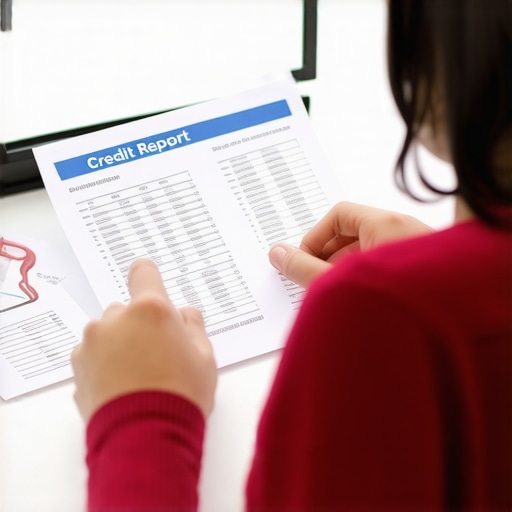
I remember staring at my credit report one morning, feeling overwhelmed and frustrated. There it was—the dreaded medical debt collection account lurking like an unwelcome shadow. It wasn’t just a number; it was a source of constant anxiety, especially since I knew how much this single item could tank my credit score and hinder my chances of getting approved for an apartment or a loan. That lightbulb moment hit me hard: I realized I didn’t have to let this debt define my financial future.
Why Removing Medical Debt Collections Matters More Than You Think
Medical debt has become a top concern for many ranging from recent graduates to seniors. According to a report by the Consumer Financial Protection Bureau, **nearly 34 million Americans have medical debt on their credit reports**, and many don’t even realize how significantly it impacts their credit scores. What surprised me was how often people think paying off these debts will automatically clean up their reports. But in reality, the process isn’t that straightforward—especially when dealing with collections.
Early on, I made the mistake of thinking I needed to simply pay off old medical bills to improve my score. It wasn’t until I learned about the importance of disputing inaccurate or outdated information that I finally made progress. If you’re like I was, you might think that collections are permanent scars, but the truth is—disputing errors and understanding your rights can make a world of difference. This is precisely what I want to share with you today: how to confidently tackle those medical collections on your credit report and turn the page toward a healthier financial future.
Frequently Skeptical? You’re Not Alone
Let me be honest—when I first heard about disputes and the possibility of erasing collections, I was skeptical. I worried it was too complicated, too time-consuming, or maybe even a scam. I also learned early on that attempting online disputes through bureaus can sometimes do more harm than good. In fact, the Federal Trade Commission emphasizes the importance of using certified mail for disputes to ensure your requests are taken seriously and properly documented. Trust me, I learned this the hard way, and Vowing to share this insider tip, I now guide friends and clients through the process with confidence.
So, if you’ve faced similar doubts or fears, you’re not alone. What’s important now is understanding that with the right knowledge and strategies, you can remove or mégitimize the impact of medical debt collections. Are you ready to find out how? We’ll go step-by-step, revealing practical tips and proven methods that I wish I had known from the start. Let’s get started on transforming your credit report and setting yourself free from old debts.
Gather Your Credit Reports and Identify Errors
Start by obtaining your credit reports from all three major bureaus—Equifax, Experian, and TransUnion—using the free yearly access at Credit Clarity’s contact page. Carefully review each report, looking for any medical collections, outdated entries, or inaccuracies. I remember a time I found a collection that should have been removed because it was paid months ago but still appeared as unpaid—resolving this made a tangible difference in my score.
Use Certified Mail to Dispute Incorrect Entries
Once you’ve pinpointed errors or outdated collections, craft a dispute letter. Avoid online portals; instead, mail your disputes via certified mail with return receipt requested. This ensures you have proof of submission, which is crucial if the bureaus challenge or ignore your dispute. Include copies of supporting documents such as payment receipts or insurance statements. I once sent a dispute about an incorrect balance and kept meticulous records, which later helped me when the bureau required additional proof—highlighted the importance of proper documentation.
Tip: When disputing, focus on discrepancies like paid collections, outdated debts, or wrongly assigned accounts. Link to this resource for detailed dispute strategies.
Follow Up and File Dispute Letters Regularly
After mailing your dispute, wait 30 days for a response. If the bureau confirms the mistake, they must delete or correct the entry. If they ignore or deny your request, send a follow-up letter emphasizing your right to dispute under the Fair Credit Reporting Act. I learned that persistence pays off, and keeping detailed records of each communication increases your bargaining power.
Negotiate with Collection Agencies
If some medical collections remain, consider negotiating a pay-for-delete agreement—offering payment in exchange for removal. Not all agencies agree, but it’s worth trying because paid collections generally have less impact on your score. Always get any agreement in writing before paying. This step requires tact, but sometimes a polite negotiation can clear the way for better credit standing.
Monitor Your Progress and Maintain Good Credit Habits
Use credit monitoring tools or services to track changes in your reports and scores. The goal is to ensure errors are corrected, and no new collections appear. Keep older accounts active by making small, consistent payments—this helps build positive history, which is vital for FICO calculations. Remember, your credit score can fluctuate by 20 points monthly based on your actions, so regular oversight is key.

Visualize your credit report with annotations highlighting disputed entries and successful deletions, demonstrating the process of cleaning credit records.
Many believe that fixing their credit score is simply about paying off debts or disputing errors, but the truth runs much deeper. A common misconception is that all credit scores respond uniformly to credit repair tactics. However, models like FICO have nuances—such as the weight of recent inquiries versus length of history—that many overlook. For example, some assume that a single paid medical collection won’t affect their FICO score, yet if it’s recent or unpaid, it can significantly lower your score. Additionally, many jump straight into disputing errors without understanding the importance of proper documentation or the timing of disputes, which can backfire. Attempting rapid disputes online might seem convenient, but it often leads to incomplete or ignored responses; mailing disputes with proof via certified mail increases success rates. A crucial nuance is recognizing that improving your score isn’t just about erasing negatives but also about strengthening positive behaviors like maintaining good payment history and keeping older accounts active. Also, some get caught in the myth that closing old accounts can boost scores—actually, it often reduces credit history length and increases utilization, hurting your score. Advanced strategies involve understanding how FICO scores calculate risk: approximately 35% from payment history, 30% from amounts owed, 15% from length of credit history, 10% from new credit, and 10% from credit mix. Mismanaging any of these factors can hinder progress. Experts like those at Credit Clarity emphasize the importance of a comprehensive, well-timed approach rather than quick fixes. Remember, credit repair isn’t just about cleaning errors—it’s about elevating your financial profile sustainably. Have you ever fallen into this trap? Let me know in the comments.Maintaining your credit health over time requires not just knowledge but effective tools and consistent habits. Personally, I rely on specialized software like Credit Karma and Experian’s CreditWorks to track my scores daily and identify any anomalies immediately. These platforms not only provide real-time updates but also offer insights into how specific actions impact your FICO score, which I find invaluable for long-term planning. For instance, understanding the nuances of how recent inquiries or credit mix influence your score helps me make deliberate decisions rather than reactive ones.
Another tool I recommend is a dedicated document organizer—using a digital note-taking app like Evernote to store all correspondence related to disputes, proof of payments, and correspondence with collection agencies. This method ensures I have all my records in one easily accessible place, which is crucial when escalating disputes or verifying information.
To streamline my dispute process, I utilize templates from trusted sources such as Credit Clarity’s detailed guides. Customizing these templates for each dispute saves time and ensures I include all necessary supporting documentation, increasing the likelihood of successful deletions.
Looking ahead, I predict that automation and AI-driven credit monitoring will become more sophisticated, enabling even more proactive management of credit profiles. Staying ahead of these trends means adopting tools that integrate with these advancements, like advanced credit analytics platforms that can predict score fluctuations based on your financial behavior.
How do I maintain consistent and effective credit repair efforts? Regularly review your credit reports monthly, update your dispute templates with new scenarios, and leverage technology for real-time monitoring. Continuously educating myself through trusted resources ensures I adapt to evolving credit scoring models. To get started, try integrating a robust credit scoring app like Experian’s CreditWorks into your routine this week. This small step can significantly increase your oversight and help you catch issues before they escalate.
Lessons That Never Made It Into The Manuals
One of the most eye-opening realizations I had was recognizing how nuanced each credit report truly is. For example, I learned that a single correctly disputed entry can ripple through your credit profile, boosting your score more than paying off a large debt. This taught me to focus on quality of disputes over quantity, a strategy I now recommend to everyone trying to repair their credit.
Another lesson I cherish is understanding the power of timing. Knowing when to dispute or negotiate can make the difference between a waived fee or a permanent mark on your report. I once learned that waiting just a few weeks after a missed payment to dispute it could increase the chance of successful correction, especially when backed by proper documentation.
The third insight was discovering how proactive monitoring acts as your shield against errors and fraud. Regularly checking your reports using tools like credit monitoring services can reveal discrepancies early, allowing you to act swiftly. For me, this step was transformative—turning a passive habit into a vital layer of protection and progress.
The Arsenal I Still Rely On for Credit Growth
Over time, I’ve curated a set of tools and resources that have proven invaluable—starting with Credit Clarity’s contact page, where I obtained my free reports. Their comprehensive guides, like the FICO strategy guide, demystify the scoring nuances, enabling me to tailor my actions effectively.
Books such as “Credit Repair Secrets” opened my eyes to tactics I hadn’t considered, like leveraging goodwill adjustments or strategic credit card usage. Additionally, I rely on credit snapshot apps like Experian’s CreditWorks, which keep me informed in real-time and empower me to make data-driven decisions swiftly.
Finally, my most trusted resource remains a community of like-minded individuals; sharing experiences and insights has kept me motivated during setbacks. If you’re serious about improving your credit, building a carefully curated toolkit is an investment that pays dividends over time.
Because Your Credit Journey Is About More Than Numbers
Improving your credit isn’t just a checklist; it’s an emotional journey of empowerment. Every dispute, negotiation, and vigilant check-in fuels a sense of control over a sphere that often feels overwhelming. Remember, your efforts create a legacy—one where good credit becomes a tool for your dreams, not a source of stress.
So I challenge you: take the insights from my story, embrace the process, and make deliberate moves today. Your future self will thank you for the courage and persistence you show now. What step will you take first in your credit repair adventure? Share your plan below—I’m cheering for your success!