
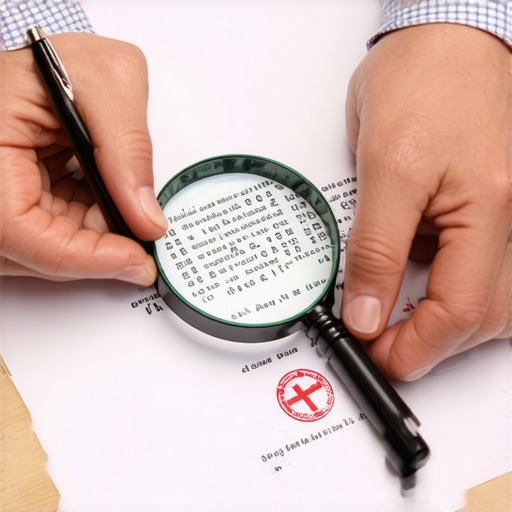
I was sitting at my kitchen table, nursing a lukewarm cup of coffee, when I pulled a jaggedly opened, lime-green envelope out of the pile. My heart did a slow, heavy roll in my chest. The letter inside looked official, stamped with bold warnings and a terrifying balance of $2,415 for a ‘past due utility account.’ I almost reached for my credit card immediately. Panic is a powerful drug, and scammers know exactly how to dose it. But then I looked closer. The font was slightly blurry. The grammar was just a bit off. I had nearly fallen for a total fabrication. Today, I want to share the exact checklist I developed after that scare so you can protect your hard-earned money and your peace of mind. We are going to strip away the mystery of these predatory letters and give you the tools to identify a fraud before you even finish your first cup of joe.
Your First Defense Against These Mailbox Predators
The very first thing you need to realize is that a real debt collector has to follow strict federal rules, but a scammer only follows the script that gets them paid. When I first started cleaning up my own financial life, I made the mistake of engaging with a caller without asking for proof. It led to weeks of harassment that I could have avoided if I had just looked for the documentation that stops debt buyers in their tracks. A legitimate notice must include a ‘validation notice,’ which tells you exactly how much you owe and who the original creditor was. If that information is missing or seems vague, you aren’t looking at a bill; you’re looking at a trap. You should also take a moment to how to find out who is really reporting to your credit file to see if the debt even exists in the eyes of the bureaus. According to the Consumer Financial Protection Bureau, debt collection is consistently one of the top categories of consumer complaints, with many people being targeted for debts they don’t even owe. Have you ever felt that sudden, cold drop in your stomach after opening a letter that just didn’t seem right?
Can a scammer actually look this professional?
It is frighteningly easy for a scammer to pull your name and an old address from a public data breach and make a letter look like it came from a high-rise office in Dallas. They rely on your fear of a dropping FICO score to bypass your logic. I once spent three days losing sleep over what turned out to be ‘ghost debt’—a debt that was either already paid or completely made up. Learning how to spot a ghost debt before it tanks your score is a total game changer. Before you ever consider sending a dime, remember that why you should never pay a collection agency without a delete agreement is the golden rule of credit repair. If the letter demands payment via wire transfer, cryptocurrency, or gift cards, walk away. No legitimate agency operates like a back-alley deal. We’re going to dive into the specific ‘tells’ in the wording that give these frauds away.
Scan the Envelope and the Fine Print First
The first thing I do now—before the panic even has a chance to set in—is look for the return address. Scammers love to use P.O. boxes or generic suites that do not match the company they claim to represent. When I received that lime-green envelope, I noticed the return address was for a processing center in a state where my utility company does not even have an office. It was a classic red flag. If you are feeling overwhelmed by the sheer volume of mail, utilizing the diy credit repair checklist that outperforms paid services can help you stay grounded and organized. Legitimate debt collectors must provide a physical address and a clear way to dispute the debt in writing. If the letter pressures you to pay via wire transfer, cryptocurrency, or pre-paid cards, it is a scam. No real utility company or debt buyer is going to ask for a gift card to settle your balance. Real businesses want a traceable payment method, while scammers want the money to vanish into the digital ether.
Audit Your Credit Report Before You Respond
Before you call anyone, you need to see if this debt even exists in the digital world. I spent an afternoon once chasing a ‘ghost debt’ that did not appear on any of my three major reports. You have to how to audit your credit report for 10 common mistakes to ensure that what you are seeing in the mail reflects reality. If the debt is not on your report, it is highly likely a phishing attempt designed to harvest your personal information. I remember thinking I was being proactive by calling the number on the letter, but all I did was confirm my phone number was active for a scammer. Now, I go straight to the source and verify the account number through my own records or the official creditor’s website first.
Launch a Dispute That Actually Gets Results
If the debt does appear on your report but you know it is a mistake, you have to be tactical. Most people make the mistake of clicking the ‘dispute’ button on a credit app. I found out the hard way that this often waives your right to a full investigation and limits the evidence you can submit. This is exactly why you should never use the online dispute button if you want a permanent fix. Instead, you need to build a physical paper trail. This involves drafting a formal letter and including every piece of evidence you have, from canceled checks to account closure letters. Treat your credit like a legal case where the burden of proof is on the collector, but the initiative to start the case is on you.
Why a Physical Paper Trail Beats an Online Click
When I finally cleared that $2,415 error, it was not because I was nice on the phone; it was because I sent a certified letter. There is a specific reason why you should always send dispute letters via certified mail: it creates a legal ‘stopwatch’ for the credit bureaus. They have a strict window to respond once they sign for it. I keep every receipt and copy of correspondence in a dedicated folder, creating the evidence log that forces a bureau manual review. By documenting every interaction and every tracking number, you move your file from the automated AI-rejection pile to a human being who actually has the power to delete the error and save your FICO score. It is about out-maneuvering the system by being more organized than the people trying to take your money.
The Zero Balance Myth That Quietly Stalls Your Progress
Most people assume that the goal of credit repair is to reach a total zero balance across all accounts. It sounds logical, right? If you owe nothing, you should have perfect credit. In my experience, this is one of the most common traps that keeps people stuck in the mid-700s. FICO actually rewards you for showing a very small amount of activity. This is why why a zero balance is not always the best for your fico score and why the ‘All Zero Except One’ (AZEO) method is a staple among high-score achievers. By leaving a tiny balance—think $10 or $20—on just one revolving card, you prove to the algorithm that you can manage credit responsibly without being dependent on it. I’ve seen this simple shift provide a faster boost than months of aggressive disputing. It is all about mastering how a 10 balance can protect your credit score from dropping during those critical monthly updates. Have you ever noticed your score dip after you thought you did everything right by paying off a bill? Let me know in the comments.
Why did my score drop after I finally paid off that loan?
This is the ultimate ‘oops’ factor for many well-meaning consumers. You save up, pay off a car loan or a student loan, and expect a celebration from the credit bureaus. Instead, your score plummeted. According to research by FICO, ‘Credit Mix’ accounts for 10% of your total score. When you close your only active installment loan, you lose that diversity. This is specifically why your fico score drops after paying off a car loan; the algorithm no longer sees a healthy variety of account types. To counter this, advanced credit builders often look into how to use a small personal loan to diversify your credit mix without taking on high interest. You also need to keep an eye on the logic behind the fico 10t trended data shift, which looks at your payment behavior over time rather than just a single snapshot. If you are preparing for a mortgage, be extremely careful about the truth about paying off a collection before buying a house. Sometimes, paying an old collection without a written agreement can actually hurt you by making the negative item appear ‘recent’ in the eyes of newer scoring models. Always try to leverage the pay for delete strategy that works on old utility bills or other collections before you send a single dollar. Managing your credit is less like a sprint and more like a game of chess; you have to think three moves ahead to win.To keep my score in the stratosphere, I stopped treating credit repair as a one-time event and started viewing it as a monthly maintenance ritual. I keep a physical ‘Credit Fortress’ folder alongside a digital spreadsheet where I log every single statement date and reporting cycle. This isn’t just about being organized; it is about having the upper hand when things go sideways. By maintaining the evidence log that forces a bureau manual review, I never have to scramble for documents if an old error resurfaces. I’ve found that the secret to long-term success is consistency, specifically the habit of high score achievers checking reports every 30 days. This allows me to catch a reporting glitch before it has a chance to settle in and lower my FICO score for more than a few weeks.
How do I keep these results for the long haul?
Maintenance is actually easier than the initial repair phase because you are working from a position of strength. I recommend using a dedicated monitoring service like MyFICO because it gives you the exact same versions of the scores that lenders see, rather than the ‘educational’ scores offered by free apps. You need to periodically how to audit your own credit report for 10 common mistakes to ensure that no zombie debts have crawled back onto your file. This proactive approach is the only way to ensure the habit that keeps your fico score above 780 every month stays intact. If you see something off, don’t wait. According to Section 611 of the Fair Credit Reporting Act (FCRA), credit bureaus are technically required to investigate disputes within 30 days, and having your records ready makes that process seamless.
The Future of Credit and the Shift to Trended Data
We are entering an era where static snapshots of your credit are becoming obsolete. The industry is moving toward ‘trended data,’ which looks at how you’ve managed your balances over the last 24 months rather than just what you owe today. This is the logic behind the fico 10t trended data shift that major lenders are already beginning to adopt. To stay ahead of this trend, you need to be mindful of your ‘spending velocity’—how quickly you pay down balances after a large purchase. Even if you pay in full, a high balance on your statement date can look like rising debt to these new AI models. I’ve started using the best day of the month to pay your credit card bill to ensure my reported utilization is always under 3%, which protects me against these newer, more sensitive scoring algorithms. If you want to scale your financial profile, you must understand that the bureaus are watching your patterns, not just your points. My best advice? Take ten minutes this weekend to run through the diy credit repair checklist that outperforms paid services and see where your foundation stands. Pick just one account today and verify its reporting accuracy—it’s the smallest steps that lead to the 800-club.
What Experts Don’t Tell You About Winning a Credit Dispute
Looking back at that $2,415 scare, I realized that the most powerful tool isn’t a high-priced lawyer; it’s your own persistence and attention to detail. First, I learned that silence from a credit bureau isn’t a defeat—it’s actually a trigger for you to send the letter that proves the bureau failed their investigation. Second, I discovered that the automated scanning systems used by the bureaus are designed to find any reason to ignore your request. You have to provide the evidence that stops a bureau from labeling your dispute frivolous to ensure a human actually reviews your file. Finally, the biggest lightbulb moment was realizing that how to stop ai from automatically rejecting your dispute letter is more about the physical layout and the specific documents you attach than just the words you write.
My Go-To Arsenal for Credit Fortress Protection
To keep my score in the 800s, I rely on a few specific resources that I trust implicitly for my monthly maintenance. I always start with the diy credit repair checklist that outperforms paid services because it keeps me from making emotional or impulsive decisions when I see a dip. I also keep a copy of the Fair Credit Reporting Act (FCRA) bookmarked on my phone; knowing your rights is like having a shield in a room full of swords. For daily monitoring, I avoid the ‘educational’ scores that fluctuate wildly and stick to official reports for accuracy. If you are currently struggling with several items, I recommend learning how to dispute multiple errors on one report without getting flagged so you do not accidentally trigger a fraud alert on your own identity. #IMAGE_PLACEHOLDER_E#
Start Rewriting Your Credit Story Today
Improving your credit isn’t just about seeing higher numbers on a screen; it is about the doors those numbers open for your family and your future. Whether you are recovering from a major financial rough patch or just starting out from scratch, remember that every positive action—like using the small balance hack that adds 20 points to your fico—compounds over time. You now have the tools, the specific checklists, and the knowledge to protect yourself from mailbox predators and clerical errors. Your journey toward total credit building mastery and a rock-solid FICO score starts with the very next envelope you open. Have you ever received a debt collection letter that felt like a total scam? Tell me how you handled it in the comments below!