
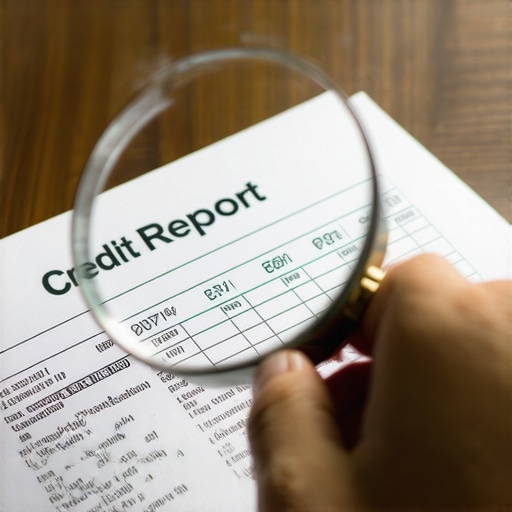
Ever experienced that sinking feeling when you check your credit report and notice a credit limit that just doesn’t seem right? Maybe it’s higher than what you’ve requested or lower than what you remember. I once saw a report where an account’s credit limit was listed as twice what I knew I had set, and at first, I thought it was a mistake. But then I realized — this kind of error can silently sabotage your credit score.
Why an Incorrect Credit Limit Can Wreak Havoc on Your FICO Score
Your credit utilization ratio—the percentage of your available credit you’re using—is a major factor in calculating your FICO score. If the reported credit limit is inaccurate, it can lead to an artificially high utilization rate, causing your score to drop unexpectedly. Even worse, if it’s reported too high, it can give lenders the illusion that you’re a low-risk borrower when, in reality, you’re not.
In my early days of reading credit reports, I made the mistake of trusting the numbers I saw without verifying their accuracy. That oversight cost me points, and I learned the hard way how small errors can lead to lower credit scores. Believe me, catching these errors early is crucial—not just for your score, but for your financial peace of mind.
Did you know that the average credit report contains approximately 5 errors? These mistakes can include outdated information, incorrect balances, or, as in this case, inaccurate credit limits. Addressing these errors can be the easiest way to boost your score without additional credit applications or old-fashioned patience. For a detailed guide on identifying and fixing common credit report errors, check out [this comprehensive resource](https://creditclaritys.com/understanding-credit-errors-a-step-by-step-guide-to-fico-improvement).
As we get into the practical steps, remember: the sooner you identify and dispute discrepancies like incorrect credit limits, the better you can control your credit profile and score. Now, let’s dive into how you can spot these errors confidently—because knowledge is your best defense.
Verify Your Credit Limits Regularly
Start by obtaining a current copy of your credit report from all three major bureaus—Equifax, Experian, and TransUnion. Review each report carefully, focusing on the reported credit limits for every account. Think of this step as doing a routine checkup; just like a doctor detects health issues early, you want to spot inaccuracies before they cause damage. During my own review, I found one account where the limit was listed as twice the actual credit line. Catching this mistake early prevented potential score drops and misrepresented financial health.
Identify Discrepancies Using Specific Criteria
Compare the credit limits reported with your own records—bank statements, online account summaries, or contact logs. Any difference is a red flag. Remember, inaccuracies aren’t always obvious; sometimes they’re subtle, like a missing decimal point or an outdated figure. To make this process efficient, create a comparison chart listing each account, its reported credit limit, and your actual figure. This visual approach makes discrepancies stand out, much like highlighting typos in a document. Once identified, you’re ready for the dispute process.
Initiate Disputes to Correct Errors
File disputes directly with each credit bureau reporting the erroneous information. Use their online portals for speed and tracking, but be prepared to provide supporting documentation—statements, account screenshots, or official correspondence. Think of this as sending a formal repair request; the clearer your evidence, the faster the resolution. I once submitted bank statements proving my credit limit, and within a few weeks, the bureau corrected the error, boosting my score. For detailed guidance on this process, visit [this resource](https://creditclaritys.com/credit-repair-secrets-how-to-resolve-disputes-and-elevate-your-credit-standing).
Provide Precise Documentation
Gather official documents that directly support your claim—for example, credit card statements or account agreements showing your approved limit. When submitting disputes, clearly explain the discrepancy and reference your supporting files. This step is akin to presenting irrefutable evidence in a court case, which increases your chances of success and minimizes prolonged disputes.
Follow Up and Confirm Corrections
After filing disputes, monitor your reports regularly. Use free credit monitoring tools or subscribe to alerts. Once the bureau updates your report, verify that the corrected credit limit reflects accurately. Sometimes, bureaus require additional clarification; promptly provide requested information. Treat this as a cleanup operation—your score depends on it. Remember, persistent follow-up is key; many errors remain if left unchallenged. For tactical dispute strategies, explore [this comprehensive guide](https://creditclaritys.com/how-to-dispute-a-repossession-that-the-bureau-claims-is-accurate).
Maintain Good Records to Prevent Future Errors
Keep copies of all dispute correspondence, supporting documents, and confirmed corrections. Regularly reviewing your report also helps catch new errors early. Think of this as maintaining a healthy credit environment; prevention is often simpler than correction later. Over time, consistent monitoring and swift action protect your credit profile against inadvertent mistakes that can erode your score or mislead lenders. Incorporate these steps into your financial routine for ongoing credit health.
Many individuals believe that improving their FICO score is just a matter of paying down debts or disputing errors. However, a common misconception is overlooking the intricate nuances that truly influence your credit profile. For example, most think that simply deleting a negative account will dramatically lift their score, but in reality, the age and type of credit accounts often matter more than isolated deletions. This misconception can lead to chronic mistakes, such as closing longstanding accounts prematurely, which can reduce your credit history length and actually lower your score. Additionally, numerous people assume that all credit bureaus process disputes identically; but in actuality, each bureau may handle errors differently, causing delays or inconsistent updates. That’s why understanding the subtle differences—like how rapid rescoring can temporarily boost your credit after significant changes—is essential for strategic credit management. Many are unaware that regular, detailed review of your report, focusing on items like credit limits and account details, can identify errors that, once disputed correctly, have the potential to swiftly improve your score. According to a study by the Consumer Financial Protection Bureau, around 20% of credit reports contain errors that could impact your creditworthiness. So, don’t fall prey to simplistic approaches. Instead, adopt a comprehensive strategy that emphasizes precise dispute tactics, ongoing monitoring, and an awareness of how specific account behaviors influence your FICO score.
Why do so many credit repair efforts backfire, especially among experienced consumers?
The answer lies in the nuanced understanding of credit scoring algorithms; for instance, adding new credit accounts may initially lower your score due to hard inquiries and the ‘new account’ factor, yet strategically managing this can yield long-term benefits. Knowing when to open or close accounts, and how these actions impact your credit mix and history length, requires expert-level insight often missed by amateurs. To deepen your knowledge and avoid costly mistakes, explore the detailed guides on error correction and building credit fast. Remember: in the world of credit repair, nuances matter more than generic advice. Have you ever fallen into this trap? Let me know in the comments.
The Power of Specialized Software for Credit Monitoring
Staying on top of your credit profile requires more than just checking reports periodically. I personally rely on advanced credit monitoring tools like Credit Karma and Experian’s CreditWorks because they provide real-time alerts for any changes, including credit limit updates or new accounts. These alerts allow me to respond swiftly to discrepancies, preventing minor errors from escalating into score-damaging issues. Additionally, services like IdentityForce offer identity theft protection, which is crucial in today’s increasingly digital financial landscape—protecting your credit file from malicious activity.
Leveraging Automation for Dispute Efficiency
Automated dispute platforms, such as DisputeSuite and Lexington Law’s online portals, have transformed my ability to manage inaccuracies at scale. They streamline the process of submitting disputes, providing templates grounded in legal standards and prompting you to upload supporting evidence directly from your device. I find that automated tools reduce the time spent on each dispute and ensure consistent follow-up—critical factors when correcting persistent errors like misreported credit limits or obsolete collections. Remember, consistent maintenance is key to long-term credit stability.
Implementing Routine Credit Checks
Beyond specialized software, adopting a habit of quarterly reviews using free tools enables early detection of errors. I schedule a dedicated half-hour to examine each bureau report, cross-referencing my records to spot inconsistencies before they impact my score. This proactive approach is especially effective for catching subtle issues, such as incorrect account types or late payment annotations. Maintaining diligent records of these reviews also creates a valuable audit trail if disputes are needed. Over time, this disciplined maintenance builds momentum for credit improvement.
Planning for Scale and Growth
As your credit profile becomes more robust, consider expanding your monitoring and dispute strategies. For example, integrating a personal finance dashboard tied to your bank accounts and credit portfolios can give holistic insights into your financial health. Looking ahead, tools like AI-driven credit analytics are expected to become more accessible, providing tailored advice based on your unique data. This technological evolution will help you make informed decisions faster, further optimizing your credit trajectory.
How do I keep my credit maintenance efforts effective over the years?
The key is consistency paired with strategic tool usage. Regularly updating your records, leveraging trusted software, and staying informed about industry best practices—such as reading up on detailed dispute strategies through resources like this comprehensive guide—are essential. Advanced tactics, like utilizing rapid rescoring after major account changes, can give your score an immediate buff if used correctly. I recommend starting with one of these tools today to experience the difference firsthand, paving the way for sustained credit health.
What I Wish I Knew When I Started Fixing My Credit
- Discovering that credit report errors, especially incorrect credit limits, can silently lower your score was a game-changer. Early on, I underestimated how small discrepancies could have outsized effects. Now, I realize that meticulous review and dispute are not just chores—they’re powerful tools for financial growth.
- Understanding the nuances of each credit bureau’s dispute process saved me weeks of frustration. I learned that each bureau has its quirks, and customizing my approach made all the difference. It’s a reminder that patience and persistence are key in credit repair.
- One lightbulb moment was realizing that regular monitoring prevents small errors from snowballing. Incorporating tools like Credit Karma or Experian’s CreditWorks into my routine turned out to be investments in my financial health—saving time, stress, and money in the long run.
Tools That Elevated My Credit Strategy
- Credit Karma: Offers real-time alerts and free monitoring, keeping me proactive about any changes to my credit report.
- Experian’s CreditWorks: Provides detailed insights and updates, which help identify discrepancies faster and understand the factors influencing my score.
- DisputeSuite: Automated dispute processing streamlined my efforts, especially when handling multiple errors or accounts.
- Comprehensive guides like this resource: Deepening my knowledge about dispute tactics and FICO nuances empowered me to act confidently and strategically.
Stay Curious, Keep Moving Forward
Don’t let mistakes or misconceptions hold your credit journey back. Every small correction and informed step compounds into a stronger financial future. Remember, building robust credit isn’t about quick fixes—it’s about consistent, intelligent actions. You have the tools and knowledge; now, it’s your turn to apply them and watch your credit transform. What’s the first error you plan to dispute today? Share below—I’d love to hear your story.