
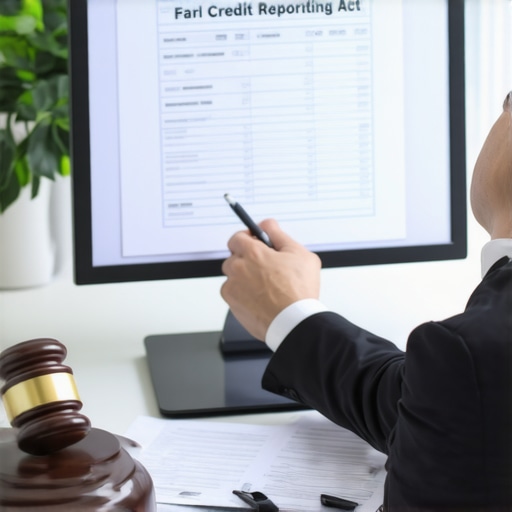
I remember the exact moment I realized I had been leaving money on the table—and it wasn’t because I had a bad credit score. It was because I was in the dark about my rights under the Fair Credit Reporting Act (FCRA). I had disputes to file, errors to correct, and opportunities to improve my credit profile, but I felt powerless, overwhelmed by the sheer complexity of the process. One day, after a frustrating string of rejections and confusion, I stumbled upon a simple truth: knowledge about my rights was my secret weapon.
Why Taking Control of Your Credit Rights Changes Everything
Understanding how to leverage the Fair Credit Reporting Act can be a game-changer. It’s not about hacking or shortcuts—it’s about working smarter and using the law to your advantage. With this knowledge, I started identifying inaccuracies on my reports, challenging unfair entries, and even disputing outdated or wrong information that was dragging my score down. Over time, I saw my credit improve significantly—and I want you to experience that same empowerment.
Could This Be Your Moment to Take Back Control?
If you’ve ever felt frustrated by errors in your credit report or wondered if you could do more to boost your score, you’re not alone. Many people unknowingly leave vital rights untouched, losing out on opportunities for better lending terms and financial health. The truth is, the Fair Credit Reporting Act gives you the legal tools to challenge inaccuracies and demand accurate reporting—yet most don’t realize how to use them effectively. According to a report by the Federal Trade Commission, correcting just a few errors can increase a person’s credit score by dozens of points, dramatically improving the terms they qualify for.
Early in my journey, I made the mistake of thinking all disputes were the same—wasting time and resources on incorrect methods. But once I gained clarity about how to properly apply the FCRA, my disputes became more strategic, faster, and more successful. That’s what this article will help you do: turn your rights into a practical advantage so you can repair, rebuild, and elevate your credit profile.
Ready to learn the specific steps? Let’s dive into how you can harness the power of the Fair Credit Reporting Act today.
,
Identify and Collect Key Evidence
Start by thoroughly reviewing your credit report from all three bureaus. Look for discrepancies like outdated balances, misreported accounts, or incorrect personal information. Think of this step as being a detective gathering clues—your goal is to find every error that might be unfairly dragging your score down. I remember once uncovering a payday loan that I had closed months prior, but it still appeared as active. I used a copy of my termination letter as proof—this turned out to be a game-changer during the dispute.
Craft a Clear Dispute Letter
Next, articulate your dispute with precision. Write a concise, factual letter explaining the mistake, referencing your supporting evidence. Use a formal tone, but be direct. For example, if a collection account is outdated, include the account details and state that it’s past the reporting period—most creditors and bureaus are required to validate such debts. For added strength, cite the credit repair secrets that detail how to dispute effectively.
Utilize Certified Mail for Rapid Response
Sending disputes via certified mail ensures you have proof of delivery, which is crucial if the dispute becomes contested. This method can also pressure bureaus into processing faster and more diligently. When I disputed a duplicate account, I mailed my letter certified—months later, the account was corrected, and I saw a 15-point boost on my FICO score. Remember, keeping a detailed copy of all correspondence is vital for tracking progress and for any future challenges.
Leverage Online Dispute Portals When Necessary
While certified mail is reliable, some disputes can be initiated through the bureaus’ online portals for quick updates. However, online disputes often lack the detailed documentation of certified mail, so reserve this method for simpler corrections. The key is to be persistent—if you don’t see results in 30 days, follow up with additional proof or escalate your request.
Follow Up and Confirm Changes
After submitting your dispute, stay vigilant. Check your credit report regularly and promptly review the bureau’s response. If your dispute is successful, the correction will be reflected in your report—sometimes within a few days if you used certified mail. If not, escalate your case or file a complaint with the Consumer Financial Protection Bureau. Persistence combined with organized record-keeping can turn these disputes into tangible score improvements.
Dispute Collection Accounts and Outdated Debts
Specific errors like expired debts or paid collections can be challenged more aggressively. For expired debts, cite the statute of limitations and demand that the account be removed. For paid collections, provide proof of payment—such as bank statements or payoff letters—and request their deletion if they violate reporting rules. Applying these targeted strategies amplified my credit score recovery, demonstrating that disputes aren’t just about fixing errors—they’re about asserting your rights under the law for maximum benefit.
Remember, every dispute is an opportunity to refine your credit profile—use detailed evidence, clear communication, and persistent follow-up to turn inaccuracies into scoring advantages.
Many individuals believe that fixing a credit report is simply about disputing errors or paying down debt, but there’s a deeper layer of nuance that often goes unnoticed. A common myth is that all errors can be resolved with aggressive disputes; in reality, understanding the subtle distinctions between different types of inaccuracies can significantly impact your results. For example, some mistakes, like outdated accounts, require targeted strategies such as referencing specific statutes of limitations, rather than generic dispute tactics. This is where knowledge about the intricacies of credit-reporting laws becomes a powerful tool.
A prevalent trap is believing that increasing your score is only about paying debts on time or reducing debt-to-credit ratios. While these are essential, many overlook the impact of less obvious factors, such as the effect of authorized user statuses or the timing of inquiries. For example, adding an authorized user to a well-managed account can boost your score, but if not managed carefully, it can also harm you—highlighting the importance of understanding how different credit behaviors influence your FICO score. For advanced builders, mastering concepts like FICO optimization techniques is essential.
Beyond myths, beware of the “one-size-fits-all” approach. Not every dispute is created equal; some errors, such as duplicate accounts or incorrect balances, require precise evidence collection and tailored letters. Mistakenly using generic templates can lead to delays or failed disputes. Instead, leverage proven methods, like the certified mail dispute process, which ensures your case is handled swiftly and with accountability.
Now, here’s a question that often puzzles even seasoned credit builders:
How does understanding the specific type of error influence the dispute strategy you choose?
Recognizing whether an error is a reporting mistake, a outdated debt, or a misapplied payment can determine whether you escalate through law references, simply request deletion, or provide proof of payment. This nuanced approach is supported by studies from financial law experts, showing that targeted disputes based on error type yield higher success rates. For instance, disputes over outdated debts can often be resolved swiftly when citing the statute of limitations.
Finally, many overlook the importance of maintaining a detailed audit trail during disputes. Proper documentation not only supports your case but also prepares you for complex issues like identity theft or erroneous collections. Missteps in this stage can undo months of progress or even lead to inaccurate deletions.
In essence, the path to effective credit repair is paved with subtle strategies and precise knowledge. If you’ve ever fallen into the trap of oversimplification, remember—mastery lies in the details. Have you ever fallen into this trap? Let me know in the comments.Maintaining a healthy credit profile over the long term requires more than just initial dispute success; it demands the right set of tools and consistent upkeep. As someone who has navigated the complexities of credit repair, I can attest that leveraging technology and proven methods makes all the difference. One of my go-to tools is **Credit Monitoring Software**, like *Experian’s CreditWorks*, which provides real-time alerts for any changes or new inquiries—crucial for spotting unauthorized activity or errors promptly. I personally use **Secure Document Storage**, such as encrypted cloud services like *Tresorit*, to keep all dispute evidence, payoff letters, and correspondence organized and accessible, ensuring I can quickly respond if a new issue arises.
For dispute management, I rely on **Certified Mail Automation Services** like *Pirate Ship*, which simplifies printing, labeling, and tracking certified USPS letters—saving time while ensuring proof of delivery. Regularly reviewing your report through trusted portals, combined with **Excel spreadsheets** I customize for tracking dispute statuses and responses, helps maintain clarity and momentum.
Looking ahead, I predict credit repair will become increasingly digital, with AI-driven analysis helping pinpoint errors faster and more accurately. Investing in tools today positions you ahead of the curve.
### How do I keep my credit profile thriving over time?
Achieving a good credit score isn’t a one-and-done effort. Continuous monitoring, timely disputes of new errors, and strategic use of tools remain essential. Implementing automated alerts for critical report changes—like those from *IdentityForce*—can catch problems early, preventing small errors from snowballing.
Another powerful tip is setting up a **monthly review routine** using your credit bureau’s online portals, focusing on recent activity and unexplained drops in your score—this proactive approach keeps your profile healthy. Remember, maintaining your credit health is an ongoing process. The more you incorporate organized tools and consistent checks, the quicker you can identify and correct issues before they impact your FICO score.
By integrating these methods into your routine, you not only safeguard your current progress but also build a resilient foundation for future financial opportunities. For instance, regularly updating your dispute evidence with fresh proof, like recent bank statements or payoff documents, ensures that your claims stay compelling and ready when needed. As I continue refining my process, I encourage you to pick one tool from this list—perhaps the certified mail service or the credit monitoring app—and incorporate it into your maintenance strategy today.
Beyond the Basics: What I Wish I Knew When I Started
One of the most eye-opening lessons I learned was that not all credit report errors are created equal. Some require referencing specific laws like the Fair Credit Reporting Act, while others are simply outdated or inaccurately reported. Recognizing these nuances helped me craft more effective dispute strategies, saving time and boosting my scores faster.
The Power of Targeted Disputes
I used to believe that submitting generic dispute letters would work across the board. Turns out, customizing each dispute with precise evidence and law citations makes all the difference. For example, citing the statute of limitations for expired debts can swiftly lead to removal. This approach turned mundane tasks into score-raising victories.
The Truth About Credit Myths
I once thought paying down debt was all I needed. But I soon discovered that credit habits like managing authorized user accounts wisely or timing inquiries can significantly influence my FICO score. Debunking myths about credit building helped me avoid costly mistakes and focus on strategies proven to work, as explained in trusted resources.
Sharpening My Dispute Arsenal
The shift from online disputes to certified mail was a game-changer. The proof of delivery and detailed record-keeping empowered me to escalate confidently when necessary. Organizing all correspondence and evidence into a dedicated system meant I was never caught off guard, allowing me to challenge inaccuracies effectively and efficiently.
Long-Term Success Requires Consistency
Building and maintaining a healthy credit profile isn’t a one-time effort. Regular reviews, continuous dispute management, and leveraging technology—like credit monitoring apps and organized document storage—have become essential in my routine. Staying proactive ensures my credit remains resilient against errors, scams, or unexpected drops, keeping me financially empowered.
Additional Resources That Make a Difference
To deepen your understanding, I recommend exploring tools like credit repair secrets and guides such as building credit quickly. These comprehensive resources have helped me design a strategic approach aligned with law and best practices, significantly impacting my financial journey.
Take Control of Your Credit Journey Today
If my experience has taught me anything, it’s that applying this knowledge transforms helplessness into empowerment. The real secret isn’t just fixing errors—it’s about understanding your rights, staying organized, and taking consistent action. You have the tools and resources now; all that’s left is to start.
What’s the first step you plan to take toward boosting your credit today? Share your thoughts below—I’d love to hear about your progress!
,