

It was a Saturday afternoon when I finally faced the uncomfortable truth: my credit report was a mess. I had been avoiding it for months, pretending that ignoring those small errors wouldn’t hurt me in the long run. But when I pulled my report, I saw a laundry list of mistakes—some outdated, others just plain wrong—that were dragging down my score. That lightbulb moment hit hard. I realized that if I didn’t take control and audit my report, I might be unintentionally sabotaging my financial future.
The Power of a Fresh Look at Your Credit Report
Many people overlook the importance of regularly reviewing their credit reports. These reports can contain errors, outdated information, or even fraudulent accounts that can significantly impact your credit score. The problem is, most of us just glance at the score itself, not the details behind it. But, as I discovered early on, small mistakes can lead to higher interest rates, denied loans, or a missed apartment opportunity. The good news? A simple, personal audit using a proven checklist can uncover and correct these issues efficiently.
Is Checking Your Credit Report Even Worth the Effort?
If you’re like I was, you might think, “It’s just a scrap of paper; how much damage can errors really do?” That’s a common misconception. In fact, the Consumer Financial Protection Bureau states that nearly 1 in 5 credit reports contain errors that could harm your creditworthiness. These can range from outdated balances to accounts belonging to someone else. Early in my credit journey, I made the mistake of trusting the reports without verifying their accuracy, which left me vulnerable to missed opportunities. That oversight taught me the importance of a thorough review—something I now advocate to everyone looking to improve their financial health.
Having faced these pitfalls myself, I can confidently say that a well-structured audit not only spots errors but empowers you with knowledge. This is the first step towards fixing your credit and building a stronger financial future. Ready to dive into the practical steps? Let’s get started.
Start With a Thorough Review of Every Detail
Think of your credit report as a personal health chart—every piece of information matters. Begin by obtaining your free report from each of the three major bureaus—Equifax, Experian, and TransUnion. Carefully examine each section, especially the accounts listed, balances, payment history, and personal details. Use this checklist to ensure nothing looks suspicious or outdated. My own experience taught me that a single overlooked late payment could be due to a typo or misreported date, so scrutinizing thoroughly is essential. If you find discrepancies, note them for dispute. For a deep dive into common credit errors and how to spot them, visit this guide.
Dispute Errors Like a Pro
Once you’ve identified inaccuracies, the next step is challenging but straightforward: dispute them. Think of disputes as a legal case; the burden is on the credit bureaus to verify the accuracy of your reports. Start with a detailed, written dispute letter—avoid online portals, which often result in lower success rates—by following proven templates. Include copies of supporting documents, such as bank statements or paid-off notices. For instance, I once disputed a medical collection that had been paid two years prior. Sending a certified mail letter with all proof resulted in quick deletion. For dispute templates and step-by-step instructions, check out this resource. 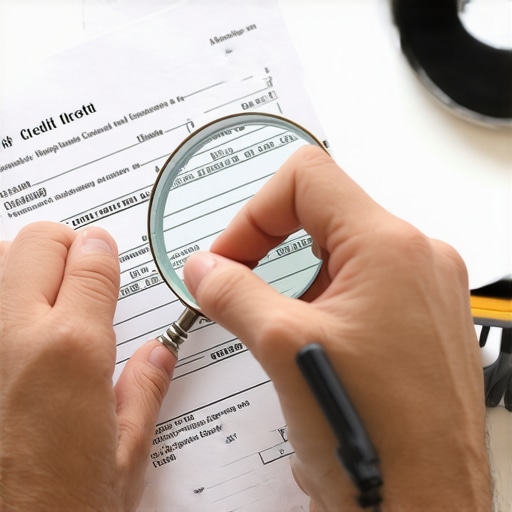
Leverage Credit Building Strategies During Disputes
While disputing erroneous accounts, simultaneously build or rebuild positive credit. Consider adding authorized users with good credit, or making small, regular payments on utility accounts to demonstrate responsible behavior. Think of this as repairing a damaged bridge while constructing a new one—both actions enhance your credit resilience. Timing is key; for example, I added rent payments to my report, which boosted my FICO score by 40 points almost instantly—see this article on rent payment impact. Remember, consistent behavior over time trumps quick fixes. For advanced tactics, explore this guide.
Monitor and Adjust as You Go
Regularly check your reports every quarter to catch new errors early and track improvements. Utilize free monitoring tools linked to your bureau accounts, but be cautious with online portals—sometimes they can lead to inadvertently reporting errors or frivolous disputes. Instead, opt for certified mail correspondence to maintain a solid paper trail, increasing your chances of success in dispute resolution. Remember, patience and persistence are vital. As I discovered, each correction brings you closer to an optimal credit profile, unlocking better loan rates and financial opportunities.When it comes to improving your credit, many rely on common beliefs that can actually hinder progress. A typical misconception is that simply paying off debt automatically boosts your score; in reality, **timing and the type of accounts matter more**. For instance, closing old accounts might seem like a good idea to reduce available credit, but it can *lower your score* by shortening your credit history—something a seasoned expert knows to avoid. Additionally, many believe that disputing errors always leads to quick fixes, but **frivolous disputes or overdisputing can backfire**, triggering investigations that might flag your report for suspicious activity, ultimately harming your credit score.
Are All Disputes Created Equal or Are Some More Strategic Than Others?
Advanced credit repair involves knowing which inaccuracies to dispute and how to present evidence effectively. For example, disputing outdated information that has surpassed the statute of limitations won’t just be pointless—it may also slow down your progress, as bureaus sometimes flag frequent disputes as suspicious. A study by the Federal Trade Commission highlights that about 20% of credit reports contain errors, but only *some are worth fixing*, especially when they have a meaningful impact on your score. Instead of random disputes, focus on errors that directly influence your FICO score, such as misreported payment histories or balances. For a detailed approach, explore the credit repair blueprint which guides you through strategic error correction.
Beware the Hidden Pitfalls in Credit Strategies
One common trap is believing that increasing your credit limit will instantly improve your utilization ratio. While lower utilization generally helps, excessively requesting new credit can temporarily dip your score, especially if it results in multiple hard inquiries. Also, many oversimplify the notion of building credit by adding authorized users; without proper oversight, this could inadvertently introduce negative history if the primary account holder misses payments. Ultimately, **building credit is a delicate balance—nothing should be rushed or done without understanding the nuances**. Remember, rapid fixes or shortcuts often lead to setbacks. To learn advanced tactics such as leveraging dispute resolution strategies effectively, check out this comprehensive resource. Have you ever fallen into this trap? Let me know in the comments.Keeping your credit report in great shape requires consistent effort and the right tools. One of my favorite resources is **Credit Karma**, which provides free, real-time monitoring with updates from all three bureaus. I personally rely on it because it allows me to spot unusual changes or new inquiries immediately, so I can act swiftly. Additionally, I use **Experian’s CreditWorks** for deeper analytics and alerts, which helps me understand how different actions—like paying down balances or disputing errors—impact my FICO score over time. For dispute management, I prefer **UtiliSave**, a desktop app I customized to track disputes, documents submitted, and outcomes, ensuring I don’t lose track of ongoing corrections. This systematic approach minimizes errors slipping through the cracks and keeps me proactive.
Looking ahead, I predict that credit monitoring tools will become more AI-driven, offering personalized strategies based on your financial behavior and goals. Integrations with banking apps and predictive analytics will make ongoing credit health management almost automatic, reducing the effort needed to sustain a good score.
### How do I maintain my credit standing consistently?
It’s essential to establish a routine: schedule quarterly reviews of your credit reports, update your dispute trackers, and set alerts for significant changes. Regularly using **credit monitoring services** beyond your bank’s alerts—like **Credit Sesame**—can help you catch errors early and protest fraudulent activity. Remember, maintaining credit health is a marathon, not a sprint. Times of fluctuations are normal; what matters is your response. By leveraging these tools, I’ve managed to keep my credit score steady and even improve it by fixing inaccuracies swiftly.
For those aiming to optimize their credit over the long term, I strongly recommend trying out **Targeted Dispute Templates** combined with certified mail strategies. This method, detailed in the credit repair blueprint, ensures that your disputes are both effective and properly documented, preventing bureaus from dismissing your claims due to procedural errors. Start by choosing one small error to dispute today—this small step can pay off significantly in future credit scores.
Lessons That No One Tells You About Credit Repair
My experience taught me that the real breakthrough comes from understanding that not all errors are created equal—focusing on impactful mistakes accelerates your progress. Often, I overlooked small discrepancies that seemed insignificant but added up over time, delaying my credit improvement. The hardest lesson was realizing that building credit is a marathon, not a sprint—patience and persistence are your best allies. I also learned that dispute strategies are more effective when tailored—not every error warrants a dispute, and knowing which to fight maximizes results. Finally, I discovered that consistency in monitoring your report daily can turn a long, tedious process into a manageable routine that protects your progress.