

There was a moment during my credit repair journey when I stared at my report and realized a single creditor refused to back off. No matter how many times I disputed, their name kept popping up, haunting my credit score like a stubborn ghost. It was as if I was stuck in a never-ending tug-of-war, feeling helpless and frustrated. That lightbulb moment made me realize I needed a strategy beyond the usual dispute letters.
Facing an Unrelenting Creditor: My Wake-Up Call
It wasn’t just annoyance—every time I checked my report, I saw that damaging line, skewing my score and complicating my goal of qualifying for a mortgage. I knew I needed to do something different. After trying the standard dispute process with little success, I discovered there are effective steps you can take when a creditor keeps reporting, despite your efforts. I’ll share my experience and the proven method I finally used, which might help you avoid the same frustration.
Is Your Dispute Falling Flat?
When I first started, I made the classic mistake of relying solely on online disputes. The process was quick but ineffective. I learned that sometimes, disputes get ignored, or bureaus stall because the creditor’s information isn’t fully verified. This is where sending a tailored, well-crafted letter can make the difference. Curious if this approach works for everyone? Well, from what I found—and what experts agree—persistent reporting can be challenged more effectively through a combination of dispute letters and legal rights.
According to data from Credit Clarity, a strategic dispute, combined with understanding your rights, can significantly boost your credit profile. But early on, I also learned it’s crucial not to overlook simple, overlooked mistakes in your reports, which I kept falling prey to—another lesson in my journey.
Next, I want to walk you through the exact steps I took, which may seem straightforward but are surprisingly effective in putting an end to those stubborn reports and improving your credit faster than you might think. Ready to see how I did it and how you can apply these tactics today? Keep reading, because fixing this problem is absolutely doable—and I’ll help you do it efficiently.
Send a Gap-Closer Dispute Letter That Gets Results
My first step was drafting a targeted dispute letter, much like a lawyer crafting a compelling argument, to explicitly challenge the creditor’s inaccurate reporting. I aimed to prove that their continued reporting was not validated, aligning with credit repair tips. I included supporting documents such as payment records and correspondence, emphasizing that their report lacked proper validation, which is a core tactic discussed in dispute errors and FICO hacks. This method is like building a legal case—precision and evidence are everything.
Leverage the Power of a Validation Request
Next, I sent a formal validation request through certified mail, requesting the creditor to verify their claims. Think of this as pulling out a receipt in a dispute: it puts the onus on them to prove the debt is valid. When I used certified mail, I received a faster response and created a paper trail, which is crucial because automated disputes often get ignored unless backed by formal correspondence. For detailed strategies, visit dispute errors and credit building.
Request a Manual Review When Automated Fails
If the bureaus ignore my letters or refuse to update, I demanded a manual review. This is like requesting a supervisor when a machine fails—sometimes human eyes catch errors a machine overlooks. I flagged this with the bureaus using a clear, concise letter, referencing FICO dispute strategies. The manual review process can uncover even the most stubborn errors, especially if accompanied by supporting documents. I learned that persistence here is key—repeated requests can turn the tide.
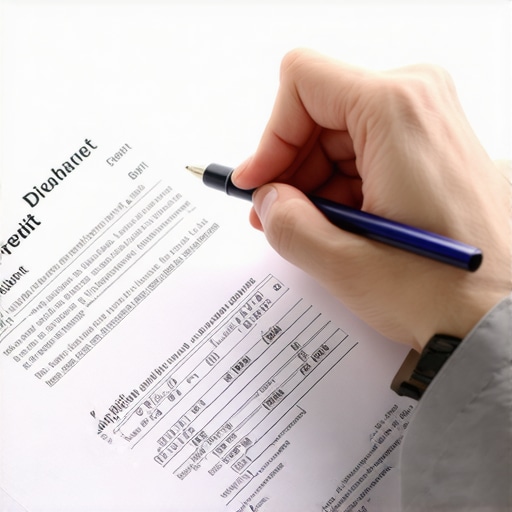
To make your case even stronger, include a detailed log of your communication attempts, dates, and responses received. This comprehensive record prompts bureaus to take your dispute seriously and often triggers a re-examination that results in removal or correction.
Use the Fair Credit Reporting Act to Your Advantage
If all else fails, referencing the Fair Credit Reporting Act (FCRA) is your legal ace. This law mandates bureaus to correct inaccurate information promptly. I cited specific sections in my letters, making it clear I was aware of my rights, similar to how utility bill hacks empower consumers. This approach often prompts quicker action, especially when combined with the other steps I outlined.
Prepare for Potential Outcomes and Keep Moving Forward
Sometimes, despite all efforts, a creditor report persists. That’s when I shifted focus to building positive credit—to offset the damage. But knowing how to craft effective dispute letters, demand validation, and utilize the law is essential for clearing your report as quickly as possible. Even if the process gets messy, each step brings you closer to a cleaner report and a higher score, vital for future financial goals.
Many believe that simply disputing errors on your credit report guarantees quick improvement, but in reality, this approach often oversimplifies the process. A frequent misconception is that all errors are equally easy to correct. However, advanced techniques reveal that some inaccuracies—like outdated information or unverifiable debts—require specialized strategies such as requesting a manual review or leveraging the Fair Credit Reporting Act more effectively. Relying solely on automated disputes can trap you into a false sense of progress, while the real secret is in understanding the nuances of each error type and applying targeted tactics. Experts warn that overlooking these details can lead to extended repair periods and missed opportunities to optimize your FICO score. For example, disputing a paid collection as unpaid without supporting documentation might waste weeks without results. Instead, focus on creating a comprehensive evidence log and demanding a proper manual review when necessary.
What advanced mistakes do most people overlook in credit repair?Invest in Reliable Software for Credit Monitoring
To maintain my credit improvements, I rely heavily on Credit Karma and Experian’s CreditWorks. These platforms offer real-time alerts whenever there’s a change on my report, allowing me to respond quickly to any new errors or unauthorized activity. I’ve personally found their user-friendly dashboards invaluable for tracking disputes and monitoring progress without overwhelming complexity.
Automate Your Dispute Follow-Ups
Staying persistent is key, and automating follow-up emails saves me hours each week. Using tools like Mailbird or Gmail’s schedule send feature, I set reminders to follow up on unresolved disputes. This keeps me consistent, ensures my disputes stay active, and helps prevent bureaus from ignoring my requests. In the future, AI-driven tools might further streamline this process, providing tailored responses based on bureau feedback.
Leverage Secure Document Storage for Evidence
I use secure cloud storage like Dropbox or OneDrive to organize all supporting documents—payment records, correspondence, and verification receipts. Having everything cloud-based ensures I can access my evidence anytime and presents a well-organized case when demanding manual reviews or referencing the Fair Credit Reporting Act. This method minimizes the risk of losing critical files during disputes.
Implement a Routine for Regular Report Checks
Consistency is vital. I dedicate at least one day per month to review my credit reports from all three bureaus. Using custom alerts, I can catch subtle errors early. Tools like IdentityIQ help me by providing deeper insights and monitoring for signs of identity theft, which can negatively impact my score. Regular vigilance prevents issues from spiraling and ensures long-term credit health.
Think About Long-Term Strategies for Scaling
As my credit profile improves, I focus on diversifying my credit mix and increasing my credit limits responsibly. I use SmartCredit to simulate how different actions might affect my score, helping me plan significant moves like applying for new credit or requesting limit increases without risking setbacks. Looking ahead, AI-powered credit advisors are likely to make personalized recommendations even more precise, making scaling more efficient.
Ready to elevate your credit repair routine? Try setting up automated follow-ups and organizing your evidence in a secure cloud today. These steps are proven to keep your progress consistent and resilient. For more advanced tactics, explore credit repair secrets or contact our team for personalized advice. As experts like credit specialists suggest, consistency and organization are your best tools for long-term success.
Lessons That Sure Stung Now Make Sense
One of my toughest realizations was that not all errors are created equal; some require a tailored approach to correct effectively. I learned that rushing through disputes without gathering solid evidence often led to delays, or worse, no results at all.
Another lightbulb moment was understanding the power of demanding a manual review when automated processes failed—human eyes can spot what algorithms miss. This small shift in strategy drastically improved my chances of removing stubborn inaccuracies.
Finally, I discovered that leveraging the Fair Credit Reporting Act isn’t just legal jargon but a real tool that can force bureaus to take your claims seriously. This layered understanding is what ultimately turned my credit report around faster than I imagined.
Tools That Turn My Credit Journey Into a Campus Class
For maintaining and improving my credit, I rely on platforms like Credit Clarity. It helps me strategize dispute tactics backed by data and success stories.
I also trust this comprehensive guide for insights on correcting errors swiftly and boosting my FICO score, giving me confidence with every new step.
Furthermore, using secure cloud storage such as Dropbox to organize supporting documents ensures I have everything I need when demanding a manual review or citing my rights.
Seize Your Credit Future Today
Remember, your credit repair process is a marathon, not a sprint. The knowledge you’ve gained here empowers you to take decisive action now. Don’t wait for perfect conditions—start applying these strategies today and watch your credit profile transform.
What’s the one mistake you’ve been hesitant to fix in your credit report? Share your thoughts below and let’s grow stronger together.