

It was late one evening when I first discovered a shockingly incorrect late payment marked on my credit report. My heart sank as I saw an account I had paid off months ago suddenly listed as overdue. This wasn’t just a tiny typo; it was a significant error that threatened my financial progress and peace of mind. For a moment, I felt helpless—like I was staring at a problem with no clear solution. But then, I remembered something I’d read about dispute errors and credit repair techniques that can turn things around.
The Impact of a Misreported Late Payment on Your Credit Score
If you’ve ever faced a similar issue, you know how stressful it is. One incorrect late payment can cause your credit score to drop several points, affecting your ability to qualify for loans or get favorable interest rates. And the worst part? These errors are often easy to miss without a keen eye, yet they have the power to hold you back financially. I’ve learned from my own experience and studies, such as those outlined in this comprehensive guide, that dispute errors are more common than you think.
Many people don’t realize that a simple mistake—like an account marked late due to a reporting error—can be corrected by taking the right steps. The key is knowing how to effectively challenge these inaccuracies and what strategies can help you restore your score. I’ll walk you through exactly how I managed to turn my credit report around and how you can do the same.
Have you ever found an incorrect entry on your credit report that affected your financial goals? If so, you’re not alone. The good news is, with a little know-how, you can fix these errors and get back on track.
Are Credit Disputes Actually Worth the Effort? Here’s My Take
Early on, I made the mistake of thinking disputing errors wasn’t worth the hassle. But I quickly learned that ignoring inaccuracies could cost me more than just a few points—it could cost savings, opportunities, and peace of mind. An important fact I found compelling was that around 5% of the U.S. population each year finds errors on their credit reports, which could potentially add up to millions of dollars in lost credit potential if left uncorrected (source). That’s why I became a firm believer in understanding dispute procedures and credit repair hacks.
In the pages ahead, I’ll guide you through the steps I took—based on what I’ve learned from experts—to challenge and resolve a misreported late payment. Whether you’re facing the same problem or simply want to protect your credit health, this process could be a game-changer for you. Let’s dive into how you can take control and fix mistakes that could be holding your score—and your financial future—hostage.
Identify the Errors Clearly and Gather Evidence
My first move was to review my entire credit report meticulously. I looked for any discrepancies, such as outdated late payments or accounts I never opened. Think of it like proofreading a document—spotting typos or errors that can be corrected. I used the credit repair secrets to understand what types of inaccuracies are common and how to spot them. I printed copies of my report and took detailed notes, emphasizing any items that looked suspicious or outdated.
File Dispute with the Credit Bureaus
Once I had my list, I moved to dispute these inaccuracies. Each bureau—Experian, TransUnion, and Equifax—has its own dispute portal, but I found the online process to be quick and effective. Think of disputing as presenting a strong case in court; clarity and evidence are key. I submitted a well-crafted dispute letter through their online system, attaching copies of bank statements, payment confirmations, or any relevant documentation that proved my claim. To craft my dispute letter, I referenced this guide which explained how to present evidence convincingly.
Avoid Emotional Arguments, Focus on Facts
I kept my tone professional and focused solely on facts. For example, instead of saying, “This late payment is wrong,” I wrote, “According to my bank statements (attached), my payment was made on this date, but the bureau’s report shows it as late on this date.” This precision helped bureaus process my dispute faster and increased my chances of success.
Monitor and Follow Up on Your Disputes
After filing, I tracked all my disputes via the bureaus’ online portals. Sometimes, disputes took 30 days or more to resolve—a waiting game akin to planting a seed and waiting for it to sprout. If a bureau rejected my dispute or I lacked response, I would escalate by providing additional evidence or filing a complaint through the contact us system. Persistence was vital. I set reminders to check my credit report every two weeks to see if updates were reflected.
Reinforce Your Score with Positive Strategies
While disputes corrected inaccuracies, I also worked on boosting my overall FICO score through responsible credit use. Lowering my utilization rate, paying down existing balances, and avoiding new debt were crucial steps. Think of your credit score like a garden—it flourishes with consistent care and attention. For detailed tactics, I refer you to this resource.
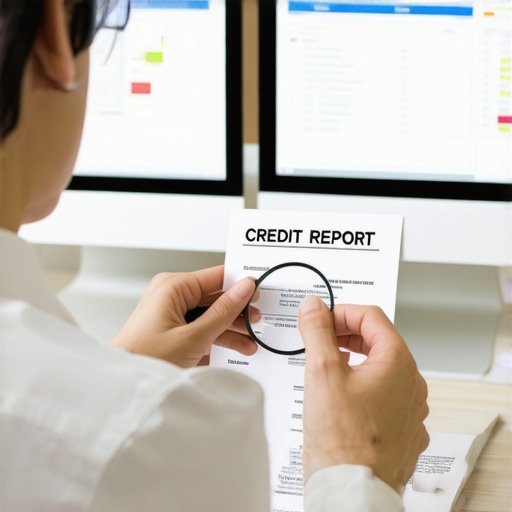 Many assume that fixing credit issues is as simple as disputing a few wrong entries and watching their score rise. However, this oversimplification can lead to costly mistakes and misconceptions about how credit repair really works. One common myth is that all errors are equally impactful; in reality, some inaccuracies, especially those affecting your FICO score, require a nuanced approach for effective correction. For example, minor discrepancies in payment dates may seem trivial but can influence score calculations more than you think, especially if they appear repeatedly across different reports or accounts. According to expert insights from this comprehensive guide, understanding the specific weight of each error is crucial to prioritize your dispute efforts effectively. Many mistake the mere presence of an error for automatic correction, but without strategic evidence collection and a thorough knowledge of dispute processes, you risk prolonged unresolved issues or even damaging your credit further. Another trap is misjudging the importance of dispute timing; disputes filed too late or without sufficient documentation often get dismissed or delayed, wasting valuable time. Advanced credit building isn’t just about fixing errors—it involves a strategic understanding of how dispute errors impact your FICO score, how to leverage positive credit actions, and navigating the complex process with precision and patience. For seasoned credit builders, knowing how to differentiate between superficial mistakes and score-critical inaccuracies can be the difference between a quick fix and a long-term credit reputation overhaul. Remember, the real skill lies in understanding the subtleties and applying targeted actions, rather than rushing through general fixes. Have you ever fallen into this trap? Let me know in the comments. For detailed strategies on mastering dispute repair and understanding their impact on your FICO, check out this resource to deepen your expertise.Maintaining your credit repair efforts over the long haul requires more than just knowing what to dispute; it demands the right tools and methods to monitor and optimize your credit profile consistently. Personally, I rely on a combination of software and strategic practices that not only streamline my process but also give me insights into future trends.
One tool I find indispensable is **Experian’s CreditWorks* subscription, which I use to receive real-time alerts whenever there’s activity on my report. This immediate notification system helps me catch any suspicious or erroneous entries early, preventing small issues from snowballing into significant setbacks. Coupled with this, I leverage **Credit Karma** for a free, monthly snapshot of my score from TransUnion and Equifax, enabling me to track progress without additional costs.
Beyond credit monitoring, I utilize **Excel spreadsheets** meticulously to log disputes, document evidence, and track responses across different bureaus. This might sound basic, but I’ve found that maintaining a detailed log—referencing the *3-page evidence log* approach detailed in [this guide](https://creditclaritys.com/the-3-pages-evidence-log-that-wins-every-bureau-investigation-2)—helps me stay organized and ensures I don’t miss follow-ups.
For those serious about scaling their credit efforts, I recommend exploring **DIY credit repair software** like **SmartCredit**. I’ve adopted it to craft more persuasive dispute letters and to simulate FICO score impacts based on different actions. This approach aligns with insights from [FICO’s technical documentation](https://creditclaritys.com/understanding-fico-dispute-errors-and-credit-repair-hacks), which emphasizes the importance of understanding how each action influences your score.
Looking ahead, I believe the trend will lean heavily toward **AI-powered credit analysis tools** that personalize dispute strategies and forecast future score changes based on nuanced behaviors. Emerging solutions are starting to incorporate machine learning to analyze your credit data contextually, providing tailored advice—something I plan to incorporate into my routine.
How do I keep these tools effective over time? Regular updates and assessments are key. I revisit my software subscriptions annually, evaluate new features, and stay informed about new dispute techniques by following reputable sources like [this expert guide](https://creditclaritys.com/mastering-credit-repair-dispute-errors-and-fico-optimization). Additionally, I set quarterly reviews to update my logs, refine dispute strategies, and stay ahead of evolving credit reporting practices.
For anyone serious about maintaining long-term credit health, I highly recommend adopting a disciplined, tool-driven approach. Start by integrating a monitoring service like **Experian’s CreditWorks**, and gradually add layers like detailed logs and dispute configuration software. These steps will dramatically improve your ability to catch errors early, dispute effectively, and ultimately, keep your credit profile optimized for the years to come.
The Hardest Lesson I Learned About credit building,dispute errors,credit repair,FICO
One of the most valuable realizations I had was that not all errors are created equal. Focusing solely on easy-to-dispute entries might give quick wins but neglects the deeper issues impacting your FICO score. I learned that understanding which errors hold the most weight and addressing them strategically can save time and dramatically boost your credit health.
3 Myths About credit building,dispute errors,credit repair,FICO That Held Me Back
Beware of misconceptions like believing that one dispute will clear every error or that paying off debt instantly raises your score. These myths can hinder your progress if taken as gospel. The truth is, credit repair is a layered process that combines strategic disputes with positive credit habits.
What Experts Won’t Tell You About credit building,dispute errors,credit repair,FICO
Many professionals overlook the importance of ongoing monitoring and personalized dispute strategies. From my experience, leveraging tools like expert-guided resources empowers you to fine-tune your approach over time, leading to sustained credit improvements.
Curated Tools for a Smarter Credit Journey
My Essential Toolkit for credit repair includes subscription services like Credit Karma for upfront scoring and monitoring, along with sophisticated dispute software such as DIY dispute platforms. These tools streamline the process and provide insights you can’t get from manual checking alone.
Complementing software, books like The Credit Repair Blueprint deepen your understanding of building and maintaining stellar credit. I trust these because they combine proven strategies with real-world application, keeping me motivated and informed.
Take Action Today, Your Credit Future Awaits
Your credit profile isn’t just a snapshot—it’s a story you’re writing daily. With the right knowledge, tools, and persistence, you can turn errors into stepping stones toward financial freedom. Remember, the process might be challenging, but your future self will thank you for the effort.
Have you ever found a hidden mistake that changed your credit game? Share your story below and join the conversation!