
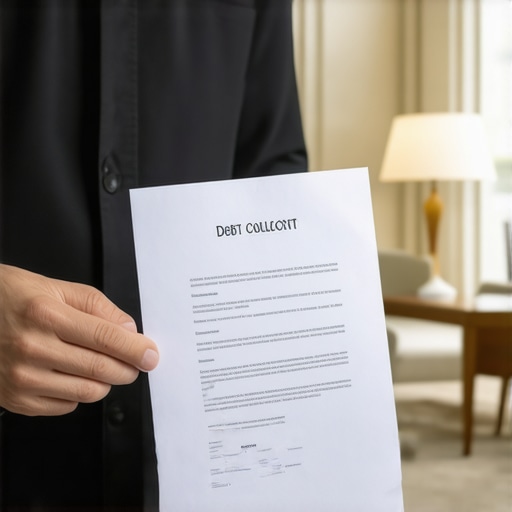
I remember the moment vividly—my phone ringing relentlessly almost every day, each call a reminder of my mounting debts and my helplessness. Then, one evening, I stumbled across a simple but powerful piece of language that changed everything. That lightbulb moment made me realize: there’s a specific phrase that, when used correctly, can make debt collectors back off almost instantly.
Why This Little Phrase Can Save Your Peace of Mind
Imagine this: you’re home, trying to relax after a long day, when suddenly your phone vibrates—another call from a debt collector. Frustration spikes. You might think, “How can I make them stop calling?” Well, I’m here to tell you that there’s a way, and it doesn’t involve endless dispute letters or risking legal trouble. Instead, it’s about using the right language.
The phrase I discovered is incredibly simple but legally backed. When you tell a collector, “Please cease all contact with me and send any further notices in writing,” you are invoking your rights under the Fair Debt Collection Practices Act (FDCPA). This law grants you the power to demand that debt collectors stop calling you over the phone when you do it correctly.
And here’s the kicker: many people, myself included early on, make crucial mistakes. For instance, I used vague requests or failed to send my request in writing, which rendered my efforts ineffective. That’s why understanding the correct approach is essential.
Is Using a Specific Phrase Actually Worth the Hype?
I used to think that these legal-sounding phrases were just for lawyers or overly cautious people. But I learned the hard way that ignoring the proper process leaves you vulnerable to ongoing harassment. A misstep early on, like failing to send a certified letter, can mean you’re still getting calls months later.
Through trial and error, I found that deploying this exact language, properly documented, gave me peace and the power to take a stand. This is not just idle advice—it’s a real, actionable step you can take today to regain control.
If you’ve ever felt overwhelmed by incessant calls and wondered if there’s a legal way to make them stop, you’re not alone. Many mistakenly believe that ignoring the calls will make them disappear or that they have no legal recourse. But the truth is, with the right approach, you can put an end to constant harassment.
For a detailed breakdown of credit and debt rights, you might find [this guide](https://creditclaritys.com/credit-repair-tips-correcting-dispute-errors-effectively) helpful in understanding how to protect your financial well-being.
Now that you’re aware of this powerful tool, the next step is making it work for you. Are you ready to learn the exact steps to craft your cease and desist communication and finally enjoy some peace of mind? Let’s dive into that now.
Identify and Prioritize Errors on Your Credit Report
Start with a thorough review of your credit reports from all three bureaus. Look for discrepancies like incorrect balances, duplicate accounts, or outdated information. Use a detailed guide like this resource to understand common credit report errors. I once found a medical bill that was mistakenly reported twice, which was dragging my score down. Spotting such mistakes is the first concrete step to fixing your credit.Many believe that simply disputing errors on their credit report will lead to a quick boost in their score. However, the reality is far more nuanced. For instance, some common advice suggests that all inaccuracies should be quickly removed to improve FICO scores, but recent studies, such as those highlighted by credit experts, indicate that not all disputes result in meaningful score changes unless they address errors that directly impact scoring models. Moreover, some individuals overlook the importance of documenting their dispute efforts properly; sending a generic letter without concrete evidence often results in rejection or delayed resolution.
Let’s challenge a widespread myth: that disputing old or minor errors will significantly elevate your score. In my experience, focusing on correcting data-furnisher errors—like outdated addresses or duplicate accounts—has a more substantial effect, especially when aligned with [official FICO insights](https://creditclaritys.com/fico-insights-how-dispute-errors-affect-your-score-and-what-to-do). Conversely, frivolous disputes or those based on minor discrepancies can waste valuable time and might even harm your credibility with credit bureaus.
A common trap is assuming that dispute results are always permanent. In reality, creditors or furnishers can re-report erroneous data if disputes are not maintained or re-verified. This emphasizes the importance of ongoing monitoring through reputable alerts and periodic reviews, particularly if you’re in the process of rebuilding your credit. Additionally, be cautious of relying solely on dispute letters; supplement them with other strategies such as credit building accounts or strategic inquiries.
Now, for advanced readers: how do you prioritize disputes that will yield maximum FICO impact? The secret lies in understanding how certain categories—like public records or collection accounts—affect scoring, and targeting those first. Research supports that addressing outdated or unverified collections can lead to score improvements, but only if you follow the proper dispute procedures and include supporting documentation. Remember, disputes are a tool, not a magic bullet.
If you want to deepen your knowledge, consider exploring [this comprehensive guide](https://creditclaritys.com/mastering-credit-repair-dispute-errors-and-fico-optimization) which covers dispute strategies and FICO optimization in detail. And always keep in mind: patience and persistence are your best allies in credit repair.
Have you ever fallen into the trap of disputing minor errors just to see quick results? Let me know in the comments. Staying informed about these nuances ensures you’re making the smartest moves to improve your financial health.
Keeping Your Credit Repair Progress in Motion
Once you’ve made significant strides in correcting errors and building your credit, the key is to sustain and scale those improvements over the long term. To do this effectively, investing in the right tools and establishing consistent habits are essential. I personally rely on advanced credit monitoring services like Credit Karma and MyFICO for their detailed reporting and real-time alerts. These platforms help me track changes and disputes, ensuring that new inaccuracies don’t creep back in, and I can quickly respond if they do.
Additionally, I recommend setting up automated alerts for new inquiries or account changes. This proactive approach means you’ll catch potential fraudulent activity or unintended impacts early. When it comes to dispute resolution, tools like specialized dispute software can streamline and document your efforts, saving you time and increasing your success rate.
For those serious about scaling their credit profile, consider utilizing secured credit builder loans or authorized user programs on established accounts. These strategies, paired with consistent on-time payments tracked via your monitoring tools, can significantly bolster your score over time. Always remember, patience and persistence are vital—improving and maintaining credit is a marathon, not a sprint.
What are the best ways to stay on top of your credit over the years?
In the future, I predict an increased integration of AI-driven monitoring tools that analyze your credit activity in real-time and suggest immediate corrective actions. Staying ahead means adopting sophisticated software that learns your habits and flags anomalies instantly. Additionally, with evolving regulations, keeping an eye on policy updates, like those found in privacy policies, will ensure your data and rights are protected as you build. Now’s the time to try implementing automated alerts combined with regular manual reviews—these small but powerful steps can preserve your hard-earned progress and create a resilient credit profile for the long haul.
The Hardest Lesson I Learned About dispute errors,credit building,FICO,credit repair
One of my biggest realizations was that not all disputes are created equal. I once spent weeks chasing minor inconsistencies, only to see negligible improvements in my score. That taught me to prioritize errors that truly impact my FICO and to recognize which disputes are worth the effort. Knowing where to focus—like outdated collection accounts or incorrect public records—can make or break your progress.
3 Myths About dispute errors,credit building,FICO,credit repair That Held Me Back
- Myth: All credit report errors are equally important. I learned that targeting the most impactful errors yields faster results. Focus on inaccuracies that affect your score directly, such as unverified collections or outdated late payments.
- Myth: Disputing errors guarantees score increases. Disputes need proper documentation and follow-up; otherwise, they might get dismissed without effect. Patience and persistence are key.
- Myth: Mistakes on your report will be removed automatically. Without proactive intervention and correct dispute procedures, errors might remain unnoticed or unresolved for months.
What Experts Won’t Tell You About dispute errors,credit building,FICO,credit repair
Many professionals emphasize quick fixes, but sustained success comes from understanding how your actions influence your credit profile. Utilizing tools like dispute strategies that align with FICO insights ensures you’re not just fixing errors but also optimizing your score for the future. The real secret is consistency, ongoing monitoring, and leveraging authoritative resources to stay ahead of potential inaccuracies.
Where to Go from Here
Your credit repair journey is unique, but the core principles—targeting impactful errors, understanding your rights, and maintaining vigilance—remain universal. Continue educating yourself through trusted sources and tools, such as this comprehensive guide. Remember, every step you take now builds a stronger, more resilient financial future.
Your Turn to Take Control
Are you ready to dive deeper into correcting credit report errors and enhancing your FICO score? What challenges have you faced in disputing inaccuracies? Share your thoughts below—your experience can inspire others on their credit repair path.