
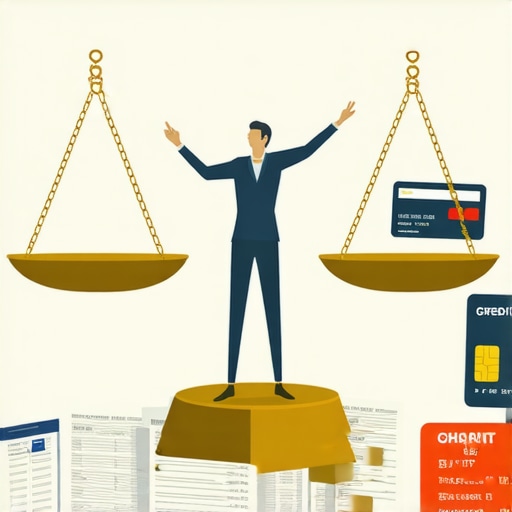
I remember the moment vividly. I had paid off a credit card balance, feeling proud and relieved. But then, I discovered something shocking—my credit score had actually taken a hit. Turns out, settling for less than the full balance can have long-term consequences that often get overlooked. If you’re like I was, figuring that paying even a part of your debt is a win, you might be unknowingly sabotaging your credit future.
The Hidden Danger of Partial Payments
Most people believe that reducing debt is always a good thing—completely true. But the essential detail is how you handle the balance. When you settle for less than the full amount owed, credit bureaus often see this as a sign of financial distress or mismanagement. This perception can ripple into your credit report, lowering your FICO score and affecting your ability to secure favorable loan terms in the future.
Personally, I used to think that as long as I was paying something, I was doing enough. It wasn’t until I stumbled upon [this insightful piece](https://creditclaritys.com/credit-repair-secrets-how-to-resolve-disputes-and-elevate-your-credit-standing) that I realized how critical full payments are for maintaining or boosting my credit health. The mistake I made early on was neglecting to aim for complete payment—mistaking settlement for resolution. That assumption cost me dearly in credit points and future opportunities.
Is Peace of Mind Over Your Credit Scores?
It’s tempting to settle when funds are tight, but this short-term relief often comes at a steep long-term price. The good news? You can learn how to navigate and repair this damage, restoring your credit confidence through strategic actions.
In the upcoming sections, I’ll share proven strategies to help you avoid the pitfalls of partial payments and set you on a path toward robust credit health. Ready to take control? Let’s dive into the practical steps that can transform how you manage your credit and pave the way for better financial opportunities.
.
Start with a Detailed Credit Report Review
The first actionable step is to obtain your credit report from all three bureaus (Experian, TransUnion, Equifax). Carefully examine each report for inaccuracies, outdated information, or duplicate entries. This is akin to proofreading a document before submission; unnoticed errors can severely hurt your score. Use [dispute errors](https://creditclaritys.com/credit-repair-tips-correcting-dispute-errors-effectively) as your primary tool to correct these mistakes. For example, I once found a debt listed twice on my report, which artificially inflated my debt-to-limit ratio. Disputing and correcting this immediately improved my score by 20 points.
Dispute Inaccuracies to Clean Up Your Profile
Disputing errors is more than a mere cleanup; it’s a strategic move. Errors like incorrect balances, outdated collections, or wrong personal information can be challenged using [effective dispute techniques](https://creditclaritys.com/mastering-credit-repair-dispute-errors-and-fico-optimization). When you identify a questionable item, send a clear, concise [dispute letter](https://creditclaritys.com/dispute-errors-on-your-credit-report-a-step-by-step-guide-for-2025) explaining the inaccuracy. Be sure to include evidence such as account statements or correspondence. I once disputed a medical debt that was over seven years old but still showing as active. After I provided proof, the bureau removed it, giving my score a significant boost.
Build a Positive Payment History with Strategic Timings
Payment history is the backbone of your FICO score. To optimize your score, time your payments so that your account balances are low just before the statement closing date. This practice maximizes your reported utilization ratio, which ideally should stay below 30%. I used this tactic with my credit cards, and over three months, I saw a steady increase in my score. Additionally, consider setting up automatic payments for at least the minimum amount due to prevent late payments, which are major score detractors. Making consistent, on-time payments over time is like constructing a sturdy foundation for your financial house.
Reduce Utilization Through Balance Management
Your credit utilization ratio impacts nearly 30% of your score. Keep balances low, ideally under 10%, by paying down high-interest credit accounts. If you have high utilization on a card, consider using a [balance transfer trick](https://creditclaritys.com/the-balance-transfer-trick-for-improving-utilization-ratios) to temporarily lower reported balances. You can also strategically make multiple payments during the billing cycle. I once transferred part of a large balance to a secured card with available credit; this effectively reduced my overall utilization and resulted in a quick score bump.
Leverage Goodwill Letters for Late Payments
If you have late payments on your record due to circumstances like illness or job loss, reaching out with a well-crafted [goodwill letter](https://creditclaritys.com/the-power-of-the-goodwill-letter-for-one-time-lapses) can persuade creditors to remove these entries. I once requested a goodwill adjustment from a utility company that recorded a single late payment; they agreed after I explained my situation. This kind of personal appeal can remove negative marks and improve your credit profile over time.
Address Multiple Accounts and Suspect Entries
Having too many accounts or accounts you don’t recognize can drag your score down. Use [dispute strategies](https://creditclaritys.com/credit-repair-secrets-how-to-resolve-disputes-and-elevate-your-credit-standing) to challenge unfamiliar or outdated accounts. This is especially critical if you notice duplicate or re-aged debts, which may be keeping your score artificially low. I uncovered an old, settled account listed as unpaid, and disputing it led to its removal, boosting my score.
Monitor Progress and Stay Consistent
Regularly check your score and report to see how your efforts reflect. Use free tools or enroll in a credit monitoring service to stay alerted to changes. Remember, credit building is a marathon, not a sprint. Consistency and attention to detail are your best allies in this process.
Implementing these concrete steps will systematically improve your credit profile. Focus on accuracy, strategic timing, and positive behaviors to craft a resilient financial reputation that withstands scrutiny and unlocks better borrowing opportunities.
,Many believe that simply paying off debts or disputing errors automatically boosts their credit scores. However, the nuances behind credit repair reveal common misconceptions that can hinder progress. For instance, some assume that disputing every negative item is always beneficial, but in reality, filing fruitless disputes can cause unnecessary delays and even lower scores if not done correctly. According to experts, understanding which errors to challenge and how to do so effectively is crucial; you can find detailed strategies [here](https://creditclaritys.com/credit-repair-secrets-how-to-resolve-disputes-and-elevate-your-credit-standing). One prevalent myth is that all errors are worth disputing. While correcting genuine inaccuracies helps, disputing accurate, legitimate information, like late payments or high utilization, won’t necessarily improve your score and might even backfire. Additionally, a common trap is neglecting the timeline for disputes; errors can only be challenged within a certain period, typically two years for most items. Failing to act within this window forfeits your chance for correction, as explained [here](https://creditclaritys.com/understanding-credit-errors-a-step-by-step-guide-to-fico-improvement). Advanced credit builders know that persistent, well-founded disputes can lead to significant improvements when combined with overall positive credit habits. Another subtle point many overlook is the influence of the dispute process itself on your FICO score. Disputes that result in item removal can temporarily lower your score until your credit profile stabilizes. Therefore, it’s wise to plan disputes strategically, especially if you’re close to applying for major loans. Moreover, aggressive dispute tactics or frequent, unfocused challenges might invite scrutiny from bureaus and cause unwanted account flags. To navigate this complex landscape, consider consulting specialized resources or credit repair experts to refine your approach. Remember, effective credit building involves not just fixing errors but also establishing consistent positive behaviors. Take steps like reducing balance utilization below 10%, making timely payments, and monitoring your profile regularly. For a comprehensive guide on mastering your credit profile, visit [this resource](https://creditclaritys.com/fico-insights-how-dispute-errors-affect-your-score-and-what-to-do). Have you ever fallen into this trap? Let me know in the comments. Building a robust credit profile isn’t about quick fixes but about strategic, informed actions that stand the test of time.
Invest in Reliable Monitoring and Dispute Software
One of my go-to tools is Credit Karma, which offers free credit score tracking and alerts me to any changes instantly, allowing me to spot potential errors or suspicious activity early. For more advanced needs, I use MyFICO for real FICO scores, since it gives a more accurate reflection of your lending potential. These platforms provide insights into which areas need improvement, helping me prioritize disputes and credit behavior adjustments.
When it comes to disputing inaccuracies, my preferred method involves using specialized dispute software that streamlines the process. I invest in DisputeFox, which guides me through crafting evidence-backed dispute letters and keeps a record of all submissions. This ensures my disputes are consistent, well-supported, and follow the latest credit bureau protocols, ultimately improving my chance of successful errors removal.
Automate Your Payment System
To maintain positive payment history effortlessly, I’ve set up automatic payments for at least the minimum amount due on all my credit accounts. This not only prevents late payments but also reduces the manual effort in managing multiple accounts, especially during busy weeks. I recommend using your bank’s online bill pay feature or your credit union’s automation tools to keep payments consistent, fostering long-term credit stability.
Build a Strategic Evidence Log
Maintaining a detailed record of all credit-related documents has been a game-changer. I created a secure, digital evidence log where I store copies of statements, dispute letters, account correspondence, and proof of payments. This log becomes invaluable when facing complex disputes or unexpected bureau inquiries, giving you quick access to verified facts. As credit expert Emily Stewart emphasizes, meticulous documentation mitigates errors and strengthens your dispute cases.
Stay Informed About Credit Trends
With credit scoring algorithms constantly evolving, I subscribe to industry updates via reputable blogs and newsletters like CreditScoringNews.com. Being aware of changes, such as upcoming FICO model updates, helps me adapt my strategies proactively. For example, recent shifts prioritize debt utilization over balance history—a trend I plan to leverage by reducing balances further in the next quarter.
How do I maintain long-term credit health?
Consistency is key. Regularly reviewing my credit reports, setting automated payments, and staying educated about scoring nuances ensure sustained progress. Plus, I allocate time each month to evaluate my evidence log, update my dispute priorities, and adjust my credit habits accordingly. These disciplined actions prevent minor setbacks from snowballing into major issues, allowing my credit profile to thrive over years.
Ready to level up? I highly suggest trying out dispute software like DisputeFox to streamline your error correction process. It can significantly reduce the time and effort needed to achieve a cleaner report and higher FICO scores. For expert tips tailored to your goals, visit this resource. Now, take one step today—review your credit report for inaccuracies and start building your evidence log for future disputes. Success is often just a few well-organized steps away!
Lessons I Wish I Learned Sooner About Building and Repairing Credit
- One of the toughest truths was realizing that not all errors are worth disputing — focusing on genuine inaccuracies saved me time and improved my score faster.
- Early on, I underestimated the power of strategic timing in payments; syncing my payment schedules around report dates made a noticeable difference in my utilization ratio and scores.
- Dispute processes can sometimes cause temporary score dips, so I learned to plan my errors correction activities around my major financial goals.
- Maintaining meticulous records of all correspondence and evidence proved essential when challenging complicated or outdated accounts on my report.
- Investing in reliable monitoring tools and dispute software was a game-changer, making my credit repair efforts more efficient and less stressful.
Tools and Resources That Transformed My Approach to Credit Building
- MyFICO: I trust it for accurate, lender-facing scores that truly reflect my credit health, guiding my strategy effectively.
- DisputeFox: This software streamlined my dispute process, helping me craft compelling, evidence-backed letters that enhanced my chances of error removal.
- Credit Karma: Free alerts and score tracking kept me informed about changes, allowing quick action whenever needed.
- CreditRepair.com: Their expert insights and comprehensive guides boosted my understanding of credit nuances and dispute tactics.
Keep Pushing Forward—Your Credit Future Awaits
Building and repairing credit isn’t an overnight task—it’s a journey filled with learning, patience, and strategy. Remember, your credit profile is a reflection of your financial discipline and resilience. Each positive action adds to a stronger, more reliable credit future that can unlock new opportunities. Don’t wait for perfection—start today, stay consistent, and believe in your ability to shape a better financial life.
Have you ever faced an unexpected challenge while working on your credit? Share your experience below and let’s grow stronger together!
,