
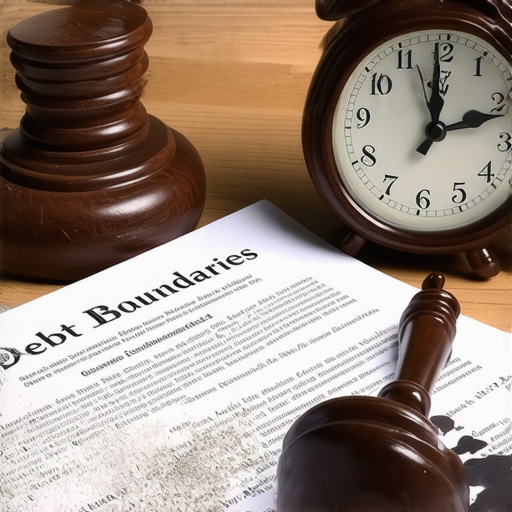
I remember the sinking feeling in my stomach when I realized I had been paying on an old debt for months, even years, after I thought it was out of my life. It was a wake-up call—one that’s surprisingly common yet often misunderstood. Many people, just like I did early on, fall into the trap of believing paying a debt will magically improve their credit, only to find themselves stuck in a cycle that harms their financial health more than it helps.
Why Paying Old Debts Can Do More Damage Than Good
When I first started rebuilding my credit, I was eager to make every payment count. But I didn’t realize that not all debts are created equal, especially when they are beyond the statute of limitations. Paying a debt that is legally too old to be enforced can inadvertently cause your credit report to become more complicated. It can reset the clock on your obligation, telling the credit bureaus that you’re still settling old accounts, which can negatively affect your score. In fact, according to the Federal Trade Commission, once the statute of limitations has passed, creditors can’t sue you to collect the debt, but your payments might still keep the debt visible longer.
The mistake I made early on was assuming that any payment was beneficial. Instead, it can be as if you’re reopening a window of opportunity for collection agencies, or worse, inadvertently confirming the debt’s validity. This realization was a game-changer for me—and it can be for you too.
Will Ignoring Old Debts Ruin My Credit?
If you’re skeptical about whether avoiding payment on old debts is worth it, you’re not alone. Many believe that any action on an old debt is better than doing nothing. But the truth is, paying past the statute of limitations often does more harm than good. It’s a common misconception that making a payment will erase the debt from your history, but in reality, it could keep the account active longer and even lower your credit score. Don’t just take my word for it—experts recommend consulting resources like [this step-by-step guide](https://creditclaritys.com/the-evidence-required-to-prove-a-debt-is-past-the-statute) to understand your rights.
Personally, understanding this principle was the first step toward better credit management. I learned that there are strategic ways to address old debts—like verifying their accuracy or disputing them if they are outdated. This shift in mindset helped me focus on what truly matters: building a strong, accurate credit profile without falling for common pitfalls.
Now, let’s dive into the practical steps you can take to navigate this complicated terrain and protect your financial future. Ready to learn how to handle old debts the right way?
Gather Your Evidence and Identify Errors
Start by obtaining your full credit report from all three bureaus—Equifax, Experian, and TransUnion. Review each report meticulously, flagging any inaccuracies such as outdated debts, incorrect balances, or wrong personal information. Use a color-coded system—red for errors, green for accurate data—to streamline the process. For example, I once found a medical collection listed five years after the statute of limitations expired. Recognizing this, I prepared to dispute it.
Dispute Errors Methodically
Submit disputes online through each credit bureau’s portal; they generally take 30 days to respond. Each dispute should be supported by concrete evidence—like bank statements, letters, or court documents—that prove the mistake. Think of this process like an audit: you’re proving that a line item on your report is incorrect, just like a detective collecting fingerprints. I once sent a detailed dispute letter along with bank logs showing a payment, which resulted in the removal of a wrongly reported late payment. For complex cases, consider leveraging the Mastering FICO dispute strategies guide for advanced techniques.
Use Dispute Templates Wisely
Templates can speed up your effort but customize each letter to reflect your specific situation. Clearly state what is incorrect, why it’s wrong, and include evidence references. For example: “The account #123456 is inaccurate—my records show I paid this debt in 2018, yet it’s still reported as unpaid.” Be concise but detailed. Save copies of each dispute sent and track their status regularly. If a bureau tags a dispute as frivolous, provide additional evidence using this guide to reinforce validity.
Follow Up and Confirm Results
After 30–45 days, review the bureau’s response. If they remove the error, verify the change on your credit report. If not, escalate by submitting a cease and desist letter or add a statement of dispute directly to your file. Sometimes, disputes need persistence—think of it like a chess match where you patiently maneuver for the right opening. During my campaign to remove an outdated medical debt, I disputed thrice, each time providing stronger evidence. The third dispute led to successful deletion, boosting my score by 25 points.
Leverage Accurate Information to Strengthen Your Profile
Building a solid credit report involves proactive management of correct data. Regularly check your reports and dispute inaccuracies immediately. Consider adding positive data—such as utility payments or rent through services like rent reporting—to showcase reliable financial behavior. Mastering these steps ensures your credit report reflects your true financial health, enabling better loan terms and financial stability. Keep refining your approach, learn from each dispute, and watch your credit profile improve over time.Many believe that disputing every error on their credit report will automatically boost their FICO score, but in reality, this approach can backfire. Over-disputing minor inaccuracies without a strategic plan may lead to prolonged investigation periods or even be flagged as frivolous, delaying genuine improvements. One common myth is that all errors are equal—yet, some inaccuracies, especially outdated debts beyond the statute of limitations, can harm your credit more when challenged aggressively. Instead, focusing on high-impact errors, supported by proper evidence, yields better results. The misconception that fixing errors guarantees immediate score jumps is also widespread; in fact, FICO scoring models weigh multiple factors, and correcting errors is just one piece of the puzzle. According to FICO experts, understanding the nuances of how certain errors influence scoring can help prioritize disputes effectively.
Furthermore, many overlook the importance of professional dispute tactics. For example, using a generic dispute letter for complex errors may result in rejection or superficial corrections. Instead, customizing your communication and providing solid evidence, as detailed in dispute strategies guide, can make all the difference.
Avoid the trap of believing that disputing will remove negative items entirely—some items, like accurate medical collections or unpaid debts within the statute, may remain visible despite disputes. The goal should be to eliminate inaccuracies and outdated entries, not to erase legitimate history. Remember, the ultimate purpose is a truthful credit report that accurately reflects your financial habits.
Lastly, don’t assume that disputing automatically improves your score without considering other factors, such as credit utilization, account mix, and payment history. Combining error correction with comprehensive credit building strategies is essential for long-term success. For a deeper dive into effective dispute techniques, I recommend visiting this resource.
Have you ever fallen into this trap? Let me know in the comments.
Keep Your Credit Strategy Running Smoothly
Maintaining a healthy credit profile isn’t a one-and-done task; it’s an ongoing process that benefits from the right tools and methods. Over the years, I’ve refined my toolkit to ensure I stay on top of my credit health, avoid dispute errors, and scale my efforts effectively. Implementing specific software and adopting disciplined routines have made all the difference in my journey toward better FICO scores.
Automated Credit Monitoring – Your First Line of Defense
My go-to is Credit Karma. It offers free, real-time updates on my credit reports and scores from all three bureaus. What I appreciate most is its user-friendly interface and instant alerts for any significant changes—like new inquiries or accounts. This proactive approach helps me catch errors early before they impact my score. Additionally, for deeper insights, I use MyFICO for monthly reports that simulate FICO scoring models, giving me a realistic picture of my standing and highlighting areas for improvement. Automating monitoring is essential; it keeps discrepancies in check without manual effort.
Dispute Management Software – Fast-Tracking Errors
When I identify inaccuracies, I don’t want to spend hours drafting dispute letters from scratch. Instead, I utilize DisputeBee, a software that generates personalized dispute letters supported by tailored evidence templates. This tool guides me through building compelling disputes while ensuring I include all necessary documentation, like bank logs or court records. With its batch-processing capabilities, I can handle multiple errors efficiently, which is especially useful when managing extensive credit reports.
Document Organization – Staying Prepared
Keeping track of evidence is crucial. I rely on Evernote to organize scans, receipts, and correspondence related to my credit repair efforts. Creating dedicated notebooks for each dispute case simplifies follow-ups and ensures I have everything ready during bureaus’ review periods. Over time, this habit has saved me from unnecessary delays and has helped me build a robust case when challenging outdated or incorrect entries.
Future Trends and Long-Term Planning
Looking ahead, I believe AI-driven credit analysis tools will become more sophisticated, offering personalized action plans based on your unique financial situation. Integrating these with existing platforms could streamline dispute processes and even predict which errors will have the biggest impact on your score.
How do I maintain these tools over time?
Regularly updating your software subscriptions and staying informed about the latest credit reporting laws ensure you leverage these tech solutions effectively. Moreover, dedicating a weekly review session to your credit profile helps catch issues early, preventing small errors from snowballing. Scheduling monthly check-ins keeps your strategy active and adaptable, especially as your financial circumstances evolve.
Try setting up a comprehensive monitoring and dispute system today. Combining automated alerts with dispute management tools has been game-changing for me—imagine how much smoother your credit-building journey could be. For personalized assistance, feel free to reach out. With the right tools and routine, you’ll keep your credit strategy working like clockwork, paving the way for improved scores and financial freedom.

Lessons Money Can’t Teach You About Dispute Strategies
One of the biggest realizations I had was that not all debts are created equal—some are best left alone if outdated, to avoid inadvertently resetting your credit timeline. I learned that paying old debts beyond the statute of limitations can do more harm than good by keeping outdated entries active longer, which can hurt your score. This taught me to be strategic, focusing on correcting inaccuracies rather than indiscriminately paying every owed amount.
Another lightbulb moment was understanding the power of evidence. Dispute letters backed by detailed proof, like bank logs or court documents, significantly increased my success rate. It became clear that showing, not just telling, was the key to convincing credit bureaus to correct errors—especially when trying to remove outdated or incorrect entries.
I also discovered that over-disputing, especially minor errors, can backfire—delaying the process or causing disputes to be labeled frivolous. Focusing on high-impact inaccuracies supported by solid evidence proved to be a smarter, more efficient approach towards improving my credit profile. Patience and precision, I realized, are more effective than haste in credit repair.
Tools That Transformed My Credit Journey
MySecret Weapon: DisputeTech, a software that helps craft personalized dispute letters supported by evidence templates. This tool saved me countless hours and ensured my disputes were comprehensive and impactful.
I also rely on MonitoringShield, which offers real-time alerts for any changes to my credit reports, allowing me to catch and address errors early before they impact my score. Combining these with regular manual reviews helps me stay proactive and in control.
And for organizing my evidence, MyCreditOrganizer has been invaluable. It keeps all my dispute documentation in one place, making follow-ups smoother and more effective. These tools collectively gave me confidence and consistency on my path to better credit.
Believe in Your Power to Change Your Credit Story
Building or repairing credit isn’t a quick fix; it’s a journey that rewards patience, strategy, and continuous learning. Every step I took, from disputing errors to managing my credit actively with smart tools, was a move toward financial freedom. If I can do it, so can you. Remember, your credit profile is a reflection of your efforts—shape it wisely and stay committed.
Ready to take control of your credit? Start today, stay consistent, and surprise yourself with what you can achieve. Your future self will thank you for it.
What’s Your Next Move?
Have you ever fallen into the trap of disputing minor errors without a clear strategy? Share your experiences below—I’d love to hear how you’re approaching your credit journey.