
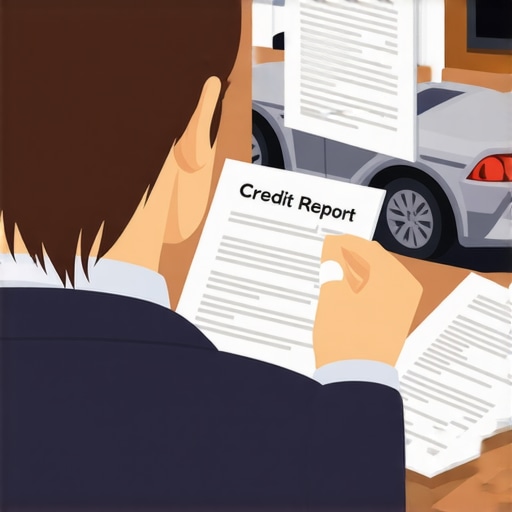
I remember the first time I paid off a substantial car loan and eagerly checked my credit report, only to see my FICO score dip unexpectedly. It felt like a gut punch. It’s a common frustration—and worse, it’s confusing. You work hard to pay down debt, thinking it’ll boost your credit, but sometimes, your score takes a nosedive instead. Why does this happen?
What’s Really Going On When Your Score Drops
This phenomenon caught me off guard, and I bet it has for many others too. Our credit scores are a complex mix of factors, and paying off a loan isn’t always a straightforward win in the eyes of FICO. Sometimes, closing a loan account can temporarily lower your score because it alters your credit mix and available credit, which are significant factors in scoring models. In fact, according to Understanding credit errors, closing accounts can affect your score more than you think—especially if those accounts are older or have a positive payment history.
But don’t worry—you’re not doomed to see your score drop forever. There are effective strategies to mitigate this effect and turn your payoff into a true boost for your financial health. We’ll dig into practical steps that help you navigate these score swings and build a stronger credit profile over time.
Have you already experienced this frustrating scenario? Share your story in the comments. And if you’re wondering whether paying off debt will someday boost your score, stay tuned—I’ll show you exactly how to make that happen.
Prioritize Your Credit Report Accuracy
The first step is to verify that your credit report reflects the correct status of your accounts. Even after paying off debt, errors can linger—incorrect balances, outdated information, or duplicate entries. I once found a settled account marked as active, which artificially lowered my score. To fix this, I used a detailed dispute letter following the dispute process, highlighting the inaccuracies with supporting documentation. Regularly review your report and dispute any errors promptly to ensure your credit profile accurately represents your financial activity.
Strategically Reduce Your Credit Utilization
Paying off a single account can sometimes increase your overall credit utilization ratio if you have high balances elsewhere, negatively impacting your score. Think of your credit utilization as a pothole; filling one reduces the crater but may expose other weaknesses. To optimize this, aim to keep your total utilization below 30%, and even lower if possible. As I learned firsthand, making multiple small payments throughout the month, especially before statement closing dates, can lead to a lower reported utilization and a boost in your FICO score. For advanced tactics, consider timing your statement date for maximum impact.
Maintain and Build Credit History
Closing old accounts can inadvertently reduce your average account age—a key factor in credit scoring. When I paid off a 10-year-old credit card, I was worried about losing that age, but I mitigated the potential hit by keeping the account open for activity and balancing my credit mix. To continue building or maintaining a healthy history, avoid unnecessary closures. Additionally, consider opening new, responsible credit lines, like a secured card, to demonstrate active credit management. Always ensure these new accounts are reported accurately; if not, you can initiate disputes resulting from errors in reporting.
Dispute and Correct Errors Promptly
Errors are the sneakiest way your score can dip unexpectedly post-payoff. Whether it’s an incorrect late payment entry or a mistaken account balance, swift disputes can undo harm. I once challenged a late payment that was mistakenly reported after my auto loan payoff by sending a detailed dispute letter with supporting proof. Monitoring your report regularly and taking advantage of tools like the three-page dispute letter process can lead to faster corrections and score recovery.
Utilize Alternative Data Sources
Traditional scoring models primarily look at credit accounts, but alternative data like rent, utility, and phone payments can significantly influence your score. After my utility payments were reported, I saw a rapid increase—sometimes by over 40 points—since these payments are a fast-track to improving thin credit files. For an effective strategy, consider reporting rent through specialized services or paying utilities directly on time. Details and best practices are available in guides like learning how utility data impacts your FICO. This approach is particularly useful if you’re rebuilding credit from scratch.
Be Patient and Consistent
Recovery after paying off debt isn’t always immediate. Scores can fluctuate as bureaus process updates, but consistent good behavior will eventually reflect positively. I found success by maintaining low balances, timely payments, and periodic report reviews. Over a few months, my score steadily improved, confirming that deliberate, strategic actions outpace quick fixes. Remember, not all gains are immediate, but perseverance builds a stronger credit profile over time.
Many believe that simply paying off debt automatically boosts credit scores, but this oversimplification ignores critical nuances. For example, the misconception that closing old accounts always harms your credit overlooks the strategic importance of credit mix and account age, which are often misunderstood. Relying solely on dispute errors without understanding how the bureaus process corrections can lead to prolonged delays, especially if you’re unaware of tactics like leveraging the three-page dispute letter. Additionally, many think that FICO scores are static; in reality, they are influenced by complex factors like recent inquiries and credit utilization, which can fluctuate based on small changes—a point underscored by studies from credit analytics experts.
A hidden trap that often catches people off guard is the belief that all credit errors can be quickly corrected through online disputes, but some issues require manual review and can be deliberately stymied by bureaus. Mastering the details, such as how bureaus handle verified disputes, can significantly accelerate repairs. The myth that you should dispute every negative item to improve your score can actually backfire; aggressive disputing might flag your file for scrutiny or cause delays if you lack supporting documentation.
Have you ever fallen into this trap? Let me know in the comments.
### Is FICO A Complete Reflection of Your Financial Health?
Many assume that FICO scores capture the full picture of their creditworthiness. However, they often overlook that FICO considers only certain types of data and may exclude factors like rent or utility payments unless specifically reported. This is a crucial point because, as reported in utility payment studies, including alternative data can significantly influence your score, especially in the fast rebuilding stages. Recognizing this nuance can help you tailor your credit-building strategies effectively, focusing on data that the FICO algorithm values most.
Tools That Keep Your Credit Repair Journey Smooth
Maintaining progress in credit repair requires more than just knowledge; it demands the right tools to stay organized, monitor changes, and respond swiftly. Personally, I rely on a blend of specialized software and strategic methods that streamline the process and ensure I don’t miss crucial opportunities to improve my score.
One essential tool I swear by is Credit Karma. While it’s well-known, I use it primarily to get a quick pulse on my credit health weekly. The real game-changer, however, is Experian’s CreditWorks. It offers credit monitoring with real-time alerts for any changes to your report, which is vital for quickly identifying unauthorized inquiries or errors that could hamper your efforts. I also appreciate its detailed dispute tracking, which aligns with strategies outlined in this guide.
Aside from monitoring, I use Excel spreadsheets to keep a detailed log of my dispute submissions, correspondence dates, and follow-ups. This manual system ensures I maintain control, especially when dealing with complex errors or multiple bureaus. It’s an approach that complements automated tools, providing me with a clear overview and accountability.
Another underrated resource is Experian’s Dispute Service. When I encounter particularly stubborn errors, I escalate by submitting a three-page dispute. This method is backed by recent insights into how bureaus handle manual reviews, and it often results in faster resolution.
How do I keep credit repair tools effective over time?
Regularly updating your software and reviewing your reports monthly ensures you stay ahead of any inaccuracies or new negatives. Additionally, setting up automation for routine checks—like scheduled alerts from your credit monitoring service—helps you react promptly. Remember, the landscape of credit reporting continually evolves, so staying informed through trusted sources, such as comprehensive guides, is vital for sustained success.
Looking ahead, I predict that AI-driven analytics and personalized monitoring systems will become standard tools for proactive credit management, making it even easier to spot issues before they affect your score significantly.
Don’t wait for a mistake to slip through the cracks. Try implementing a weekly review process using a combination of manual tracking with Excel and automated alerts from a reliable monitoring service. These simple yet powerful tactics can keep your credit profile resilient over the long haul.

Image Prompt: A person working at a desk with a laptop displaying credit monitoring dashboards and spreadsheets, illustrating proactive credit management.
Alt text: Person analyzing credit reports and spreadsheets to maintain credit repair progress.
Title: Effective Tools for Long-Term Credit Success
Lessons from the Trenches of Credit Repair That Changed My Perspective
- One of my biggest surprises was realizing that paying off a loan doesn’t always mean an immediate boost in your FICO score. Sometimes, it can cause a temporary dip because of how credit mix and account age are factored in. Understanding this helped me avoid unnecessary panic and focus on strategies that truly improve long-term scores.
- I learned the hard way that closing old accounts can reduce your average account age, impacting your score negatively. Instead, I kept those accounts active with minimal activity, which maintained their age and boosted my profile over time.
- Disputing errors isn’t always straightforward. Some inaccuracies require a strategic, well-documented approach, like the three-page dispute letter, to ensure they’re corrected efficiently. Rushing or disputing everything can backfire, so patience and precision are key.
- Utilizing alternative data sources, such as rent and utility payments, accelerated my credit rebuilding process much faster than relying solely on traditional credit accounts. This taught me that expanding reporting methods can be a game-changer for thin credit files.
- The importance of regular monitoring and staying organized became apparent when I kept detailed logs of disputes, follow-ups, and report updates. It saved me time and frustration, proving that proactive management pays off in credit repair.
My Essential Toolkit for Credit Building and Dispute Resolution
- Experian’s CreditWorks: Real-time alerts help me catch and address issues immediately, keeping my credit profile accurate and up-to-date.
- Credit Karma: A quick, free way to check my scores weekly and stay aware of my progress without stress.
- Excel spreadsheets: Custom logs for dispute timelines, correspondence, and tracking errors keep me organized and accountable during the repair process.
- The three-page dispute letter: According to insights I trust, this method often accelerates manual reviews, leading to faster corrections.
Believe in Your Power to Transform Your Credit Path
Embarking on your credit repair journey might feel daunting, but armed with the right knowledge and tools, you can turn setbacks into stepping stones. Remember, each small, consistent action builds towards a healthier credit profile. Stay patient, stay persistent, and trust in the process—you’re capable of achieving the financial freedom you deserve. What’s your next step in mastering credit repair? Share your plans or questions below—let’s build this success together.