

The envelope sat on my kitchen table, looking innocent enough. I had spent three weeks gathering receipts, bank statements, and old letters to prove that a $1,200 collection account wasn’t mine. I was proud of that envelope. But when I ripped it open, there was no apology. Instead, it was a cold, one-page letter from a major credit bureau claiming my dispute was “frivolous or irrelevant.” I felt my face get hot. They didn’t even look at my evidence! They just dismissed me like a noisy fly. If you’ve ever felt that specific brand of helplessness, I’m here to tell you that the robot didn’t win—it just threw up a roadblock you weren’t expecting. Today, I’m going to show you exactly how to tear down that wall and force a human being to actually look at your file.
That Moment the Credit Bureau Called Me a Liar
The truth is, I made a massive mistake early on. I was desperate, so I downloaded a “magic” dispute template from a random forum. It was stuffed with aggressive legal jargon that I didn’t really understand. I thought it made me look serious. In reality, it made me look like a bot. The credit bureau’s automated scanners are trained to spot those templates in milliseconds, and that is the fastest way to get your hard work tossed into the virtual trash bin. You have to realize that bureaus process millions of disputes, and they use AI to weed out anything that looks like it came from a credit repair mill. To get past them, you need to understand how to stop AI from automatically rejecting your dispute letter. I learned the hard way that being “too professional” can actually backfire. My mistake cost me sixty days of progress, but it taught me that authenticity is your greatest weapon. Have you ever received one of these letters after putting in hours of work on your credit report? It feels like hitting a brick wall, doesn’t it? Let me know in the comments if you’ve been ghosted by the bureaus.
Is fighting a ‘frivolous’ tag actually worth the headache?
You might be tempted to just give up. I almost did. But staying silent is exactly what the bureaus want. According to the Consumer Financial Protection Bureau (CFPB), credit bureaus are legally required to conduct a “reasonable reinvestigation” of any dispute unless they can specifically prove it is truly frivolous, a right strictly protected under Section 611 of the Fair Credit Reporting Act. If they haven’t given you a specific reason why your dispute is lacking, they are likely just stalling. This is when you need to pivot your strategy and provide the evidence that stops a bureau from labeling your dispute frivolous once and for all. It isn’t just about resending the same letter; it’s about changing the conversation. You need to prove you are a real person with a real grievance. Often, this means why you should always send dispute letters via certified mail to create a paper trail they cannot ignore. When the automated systems fail you, there are specific ways to how to force a manual review when the bureau robots say no, and that is where the real progress begins.To flip the script on the bureaus, you have to stop acting like a case number and start acting like a consumer with a voice. When they send back that ‘frivolous’ letter, they are betting you’ll get frustrated and quit. Don’t take the bait. Instead, you need to change your delivery method and your message.
Robots Should Not Fight Your Battles
I used to think that using high-end credit repair software would give me an edge. I was wrong. These programs often generate letters that look identical to thousands of others, which is exactly why the bureaus can dismiss them so easily. If your letter looks like it was spit out by a printer in a warehouse, it won’t even reach a human desk. You need to learn how to stop AI from automatically rejecting your dispute letter by making your communication look unique. I remember the first time I hand-wrote a dispute on a piece of blue-lined notebook paper. It felt unprofessional, almost like a kid’s homework, but guess what? It worked. Because a computer can’t easily parse messy human handwriting, it forced the system to kick my file over to an actual person. To win, you must understand how to force a manual review when the bureau robots say no, which often starts with ditching the fancy fonts and legal-sounding threats.
The Receipt Strategy for Spotting Hidden Lies
Think of your credit report like a long, complicated receipt from a grocery store where you bought a hundred items. If you just look at the total at the bottom, you’ll never see that they charged you for five bags of apples when you only bought one. You have to go line by line. This is why you should how to audit your credit report for hidden reporting errors before you even think about mailing a letter. I once found a collection account that had the wrong ‘date of first delinquency’ by just three months. That small error meant the debt should have already aged off my report. By focusing on that specific data point rather than just saying ‘this isn’t mine,’ I gave the bureau a factual error they couldn’t ignore. Knowing how to audit your own credit report for 10 common mistakes is like having a magnifying glass that reveals the cracks in their defense. 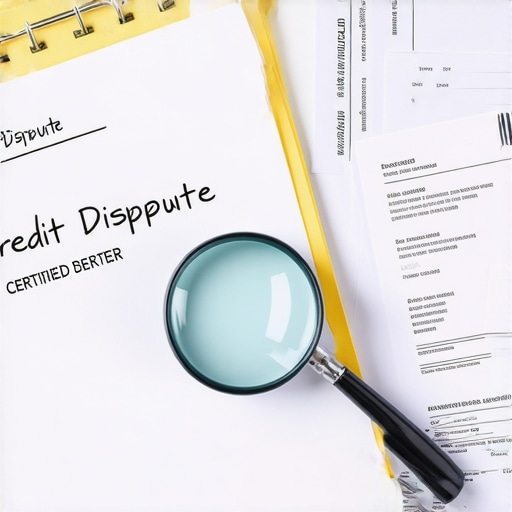
Certified Mail is Your Legal Insurance Policy
If you send a standard letter with a first-class stamp, you have zero proof it ever arrived. The bureaus can claim they never saw it, and you’ll be stuck in a loop of resending the same documents. I learned this the hard way after waiting forty-five days for a response that never came. Now, I never move without a tracking number. There are several reasons why you should always send dispute letters via certified mail, but the most important one is the ‘green card’—the return receipt. When you have a signature from someone at the bureau’s mailroom, the clock officially starts ticking on their thirty-day window to investigate. This creates a paper trail that is essential for effective dispute error resolution to boost your credit score in 2025.
Keep an Evidence Log to Force Their Hand
During my third month of fighting an old medical bill, I started feeling like I was losing my mind. I couldn’t remember who I talked to or what day I sent which document. That’s when I started a simple spreadsheet. I logged every call, every letter, and every ‘frivolous’ response. This isn’t just for your own sanity; it’s actually the evidence log that forces a bureau manual review if you ever have to escalate to the CFPB. When you can say, ‘I sent Document A on Tuesday and received Response B on Friday,’ you look like a meticulous record-keeper that they don’t want to mess with. This level of detail is a core part of mastering credit repair, dispute errors, and FICO optimization because it turns your dispute from a ‘he-said-she-said’ into a documented legal challenge.Let’s peel back the curtain even further. Most “gurus” tell you that the secret to a perfect score is simple: pay your bills and delete the negatives. If only it were that easy. I’ve seen people flush thousands of dollars down the drain paying off old collections, only to watch their score drop. Why? Because why paying off a collection does not always raise your score is one of the most painful lessons in the financial world. When you pay an old, dormant debt, you run the risk of resetting the “date of last activity.” This is the “Oops” factor that catches everyone. Before you write a check, you must how to spot a re-aged debt on your credit report immediately so you don’t accidentally breathe new life into a debt that was months away from falling off.
The Counterintuitive Truth About Paying Off Old Collections
You might think you’re doing the right thing by clearing your conscience, but the algorithm doesn’t care about your integrity—it cares about data points. If a debt is six years old and you make a “good faith” payment, you might just restart the seven-year reporting clock. This is why you need to how to verify a debt that is more than seven years old before engaging with a collector. Furthermore, the industry is changing. We are moving away from static snapshots. The logic behind the FICO 10T trended data shift 2 means that lenders now see if you are actually paying down your debt or just rotating it. According to FICO’s official documentation on their latest scoring models, trended data now looks at how you manage your balances over a 24-month window. This shift means that those who show a consistent downward trend in their total revolving balances are viewed as significantly lower risk than those who carry stable, high balances.
Can a single $20 payment actually tank your credit score for years?
Yes, it absolutely can. By acknowledging the debt through a small payment, you can lose your protection under the statute of limitations, making you vulnerable to lawsuits and prolonged credit damage. 
Stop Falling for the Zero Balance Trap
Another massive myth is the “Zero Balance” trap. You’d think having no debt makes you a hero to the banks. In reality, why a zero balance is not always the best for your score is because FICO needs to see “utilization” to calculate a score. If all your cards report zero dollars, the algorithm thinks you aren’t using credit at all, which can actually lower your score or result in a “no-score” thin file. The real pros use the AZEO (All Zero Except One) method. This is the habit that keeps your FICO score above 780 every month 3—leaving a tiny balance, ideally under 3%, on just one card while the others stay at zero. It proves you have the credit, you use the credit, but you aren’t desperate for it. This is a core part of mastering credit repair, dispute errors, and FICO optimization. Have you ever fallen into the trap of paying off a debt only to see your score plummet? Let me know in the comments below, because these nuances are where the real credit battles are won or lost.
Stop Flying Blind and Grab a Paper Trail
Once you’ve cleared the hurdles of ‘frivolous’ rejections and audit errors, the real game begins: the grind of maintenance. I used to think that credit repair was a ‘set it and forget it’ deal, but the truth is that the bureaus are constantly updating their records, and mistakes can creep back in like weeds in a garden. To stay ahead, you need to adopt the habit of high score achievers checking reports every 30 days. This isn’t just about spotting identity theft; it’s about catching a data-entry clerk’s typo before it costs you a mortgage approval. I personally keep a physical ‘Credit Bible’—a simple three-ring binder where I keep every paper report I receive. Digital is fine for convenience, but why you should always request a paper credit report becomes obvious when you see the depth of data fields that consumer-facing apps often hide. Having those physical copies is essential for effective dispute error resolution to boost your credit score in 2025.
How do I maintain my FICO score over the long haul?
Maintenance is about more than just dodging bullets; it’s about tactical growth. For example, once your score stabilizes, you should look into how to request a credit limit increase without hurting your score. This lowers your utilization ratio automatically, giving you a wider safety net. I recommend using the ‘soft pull’ technique—specifically targeting lenders that offer limit increases without a hard inquiry. According to the CFPB’s Fall 2023 Supervisory Highlights, examiners found that some furnishers failed to provide proper notice to consumers when they provided negative information to bureaus, which proves you cannot trust the system to be transparent. You have to be your own auditor. 
The Future of Credit is Predictive Not Reactive
We are entering an era where ‘Trended Data’ is king. The old FICO models were like a snapshot; the new ones, like FICO 10T, are like a movie. They are watching the trajectory of your debt over a 24-month window. This is a massive shift explained in the ultimate guide to dispute errors and credit building in 2025. If you want to scale your profile for major loans, you need to focus on mastering credit repair, dispute errors, and FICO optimization by treating your credit report as a living document. My advanced tip for today? Go beyond just checking your score. Once a year, download your full LexisNexis disclosure report. This is the ‘shadow’ report that lenders use to see insurance claims and past addresses. Cleaning up that secondary data is the secret weapon of the credit elite. Give it a try this week and see what’s lurking in your hidden files.
The Hardest Lesson I Learned About Fixing My Own Score
The most painful realization I had was that being right isn’t enough in the world of credit reporting; you have to be persistent. I used to think a single letter would solve everything, but the bureaus count on you giving up after the first automated rejection. My biggest breakthrough happened when I stopped treating the bureaus like government agencies and started treating them like data companies that hate being sued. This shift in mindset is the foundation of mastering FICO and proven strategies to improve your credit dispute score.
I also learned that the details you think are small are actually the biggest levers. For instance, if you can verify a debt that keeps changing owners and names, you often find the original documentation is long gone. That’s your opening. These nuances are what separate the people who get results from the people who just keep mailing the same templates. It is a core part of credit repair secrets and how to elevate your credit standing.
The Resource Kit That Saved My Sanity
If you are tired of screaming into the void, you need a different set of tools. I personally rely on the Consumer Financial Protection Bureau (CFPB) as my primary escalation point. When the bureaus play games, the CFPB forces them to provide a real response. I also highly recommend requesting your LexisNexis disclosure report, which often contains the ghost data that lenders use behind the scenes. For anyone feeling overwhelmed, starting with the ultimate guide to dispute errors and credit building in 2025 can simplify the chaos.
Lastly, never underestimate the power of a physical filing system. I trust my three-ring binder more than any app because when you have to reference a specific letter from six months ago, having the paper in your hand is a game-changer. This organized approach is essential for correcting credit errors and boosting FICO effectively.
Your Financial Future Starts With a Single Stamp
The journey to a better credit score is rarely a straight line, but every letter you send is a brick in the wall of your financial freedom. Don’t let the frivolous letters or the automated rejections discourage you; they are simply hurdles designed to test your resolve. By staying the course and applying these credit repair techniques, you are building a legacy of financial literacy that will serve you for decades. The score is just a number, but the credit building habits you are forming today will change your life forever. Have you ever received a rejection letter that felt totally unfair? Let me know in the comments—I would love to help you figure out your next move.