

I’ll never forget the morning I realized my ‘perfect’ financial life was a house of cards. I was ready to sign for a new car, confident as could be, only to have the dealer tell me my score was 40 points lower than I thought. The culprit? A single $12 mistake from an old utility bill. I felt like a fool because I’d ignored those ‘minor’ alerts on my phone for months. That day, I learned the hard way that when it comes to your credit, there is no such thing as a small change. Today, I want to show you exactly how to catch these tiny flickers before they become full-blown fires in your financial history.
Stop Letting Minor Reporting Glitches Sabotage Your Financial Future
It is so easy to overlook a misspelled name or a slightly off balance, but these are often the first signs of a deeper issue. Early in my journey, I made the classic mistake of assuming that if I paid my bills on time, my score would just take care of itself. Wrong. I didn’t realize that learning how to spot a re-aged debt on your credit report immediately was a skill I actually needed to survive. A single digit being off can be the difference between a prime rate and a rejection letter. Monitoring for small changes isn’t about being obsessed; it is about being protected. Have you ever logged in only to find your score dropped for a reason you couldn’t explain?
Is keeping a hawk-eye on your report really worth the extra stress?
You might think checking your file weekly is overkill, but the reality is that the bureaus aren’t always looking out for you. In fact, a landmark study by the Federal Trade Commission (FTC) found that one in five consumers had an error on at least one of their credit reports that could result in less favorable terms for loans. That is a staggering number of people losing money to clerical errors. I’ve found that using techniques like the small balance hack that adds 20 points to your FICO only works if you are actually watching the data enter your file in real-time. If you wait for the monthly update, you are already three weeks too late to stop a disaster. We are going to dive into the specific early warning signs that most people ignore until it’s too late.
Get Your Hands on the Raw Data Before the Robots Do
I started by learning how to audit your credit report for hidden reporting errors with a fine-toothed comb, and the first thing I realized is that the digital apps we all love are actually part of the problem. They summarize too much. To see the real damage, you have to know why you should always request a paper credit report. When I finally got my physical copies in the mail, I saw dates and status codes that never showed up on my phone screen. It was like looking at the engine of a car instead of just the dashboard. I suggest taking a red highlighter to every single line. Look for accounts that aren’t yours, but also look for ‘paid’ accounts that are still showing a balance. Even a $0 balance that is marked as ‘charged off’ can hurt you more than a settled debt. 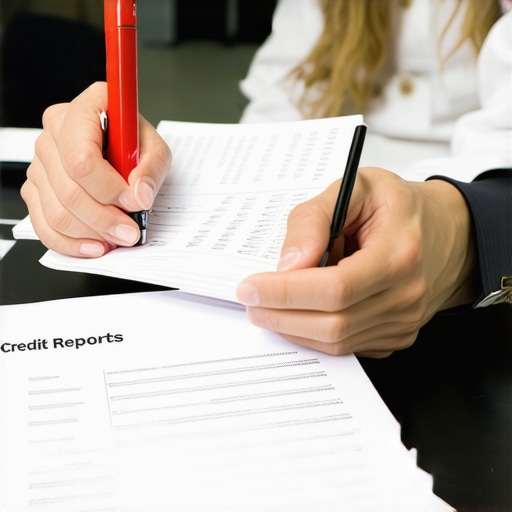
Beat the Automated Rejection System
Most disputes are handled by an automated system called e-OSCAR, which basically scans your letter for keywords and spits out a rejection. To win, you have to know how to force a manual review when the bureau robots say no. I remember one specific time I was fighting a medical bill that had already been covered by insurance. The bureau kept sending me the same canned response saying the information was ‘verified.’ I was furious. I had to stop clicking buttons on a website and start using physical mail. I learned that knowing why you should always send dispute letters via certified mail is the only way to create a legal paper trail that the bureaus actually respect. Once I had that green return receipt, the tone of our ‘conversation’ changed completely because they knew I was building a case for a potential violation of the Fair Credit Reporting Act.
Stop the Cycle of Debt Selling Before it Destroys Your Score
One of the messiest situations I ever dealt with was a ‘zombie debt’ that kept getting sold every six months. Every time a new agency bought it, my score would dip as if it were a brand-new collection. You have to be aggressive here. Use the one letter that stops aggressive debt collection to demand validation immediately. If they can’t prove they own the debt with the original contract, they have to delete it. I spent three weeks keeping the specific log you need to keep when calling bureaus, noting every name, date, and employee ID. When the third agency tried to report the same old bill, I didn’t just ask them to stop; I sent the log and the previous deletion notices to the CFPB. Within ten days, the account vanished for good. This isn’t about being a difficult customer; it is about protecting your financial reputation from companies that profit off of clerical chaos. You need to know how to handle a creditor that keeps selling your debt so you aren’t playing whack-a-mole with your FICO score for the next seven years.But here is where it gets even more nuanced: most people think that once they finally settle that debt, their score will instantly recover. This is one of the biggest myths in the industry. I’ve seen people drop thousands of dollars to clear old accounts only to see their FICO score drop further. Why? Because sometimes paying off a collection does not always raise your score; instead, it updates the ‘date of last activity,’ making an old, decaying penalty look fresh to the scoring algorithm. If you aren’t careful, you’re essentially poking a sleeping bear. You need to know why your score didn’t move after you settled that debt before you write another check.
Stop Throwing Money at Collections Before You Negotiate a Delete
The truth is, a ‘paid’ collection is still a collection. It’s a scarlet letter on your file. I always recommend the pay-for-delete strategy that works on old utility bills or any other collection account. This is the ‘advanced’ move: you don’t just pay; you make the payment contingent on the total removal of the tradeline. Most debt collectors will tell you they ‘can’t’ do this. That is a lie. They just don’t want to. I’ve found that using proven strategies to improve your credit dispute score often involves more negotiation than most people realize. #IMAGE_PLACE_HOLDER_C#
Why does your score stay stuck even after you’ve cleared the slate?
It often comes down to the scoring model. While newer models like FICO 9 ignore paid medical collections, the version most mortgage lenders use (FICO 2, 4, or 5) still penalizes you for them. This is why a zero balance is not always the best for your fico score in the eyes of a bank. According to the Consumer Financial Protection Bureau (CFPB), nearly 50% of credit report disputes are handled without a meaningful human investigation. This means if your dispute looks like everyone else’s, the robot will just ‘verify’ it and move on.
Avoid the “Shotgun” Dispute Trap That Gets You Flagged
The ‘Oops’ factor for most DIYers is the ‘shotgun’ approach—disputing every negative item at once. This is a massive red flag. When the bureaus see twenty disputes hitting at once, they label it as ‘frivolous’ or ‘automated.’ You need to know how to handle a bureau that says your dispute is frivolous because they use this tag to stop you in your tracks. This is also why I warn people about the truth about credit repair sweeps and why they fail. These services promise a ‘clean’ file in 30 days by blasting the bureaus with junk mail, but it usually leads to a permanent fraud flag on your account that is a nightmare to remove. Have you ever fallen into this trap? Let me know in the comments. It’s better to fix one error correctly than to try to fix ten errors poorly.Once you have successfully cleared the hurdles of the initial dispute process, the game changes from offense to defense. You are not just fighting errors anymore; you are building a firewall to ensure they never take root again. I have seen so many people do the hard work of mastering credit repair dispute errors and fico optimization only to let their guard down six months later. My personal ‘secret weapon’ is not a fancy app; it is a simple, manual spreadsheet where I track my statement closing dates. This allows me to execute the small balance hack that adds 20 points to your FICO with surgical precision. If you rely on the score shown in your banking app, you are looking at a delayed, often inaccurate version of reality. To get the real deal, you need to know how to find out which credit model your lender uses before you even think about applying for a mortgage or a car loan.
Build a Firewall Around Your FICO Score
Maintenance is about more than just checking a number; it is about verifying the integrity of the data stream. I have moved away from automated tools because of the problem with using credit repair software for complex errors—it simply lacks the nuance to catch ‘soft’ errors like incorrect address formatting. Instead, I perform a ‘manual audit’ every quarter. I compare my physical reports against my personal records of payments and credit limit increases. If you want to know how to build an 800 credit score starting from zero, the answer is consistent, manual verification. I recommend keeping a digital folder with every single ‘Deletion Confirmed’ letter you have ever received. Bureaus are notorious for ‘re-inserting’ deleted items, and having that paper trail is your only legal shield. 
How do I keep my report clean for the long haul?
The secret is proactive documentation. Most people wait for a problem to occur before they start saving receipts, but the high-scorers I know document everything in real-time. I use the evidence log that forces a bureau manual review to track every interaction with a creditor. This log is not just for disputes; it is for your peace of mind. Looking ahead, the industry is shifting toward ‘trended data.’ According to technical documentation for the FICO® Score 10 T, lenders will soon look at your payment patterns over the last 24 months rather than just a snapshot of today. This means the logic behind the fico 10t trended data shift will make ‘quick fixes’ less effective. You need a long-term strategy that prioritizes consistent low utilization.
Ditch the Fancy Apps for Raw Data Consistency
I have found that the more ‘user-friendly’ a credit app is, the more likely it is to hide the granular details you actually need. I prefer the raw data found in my yearly free reports from the big three. If you see a name variation or an old employer you did not authorize, fix it immediately. These small details are often the ‘hooks’ that allow identity thieves or aggressive debt collectors to attach new, fraudulent accounts to your file. I’ve personally used the ultimate guide to dispute errors and credit building in 2025 to keep my own file pristine. My challenge to you: log into your primary credit card today and find your ‘Statement Closing Date’—not the due date. Pay your balance down to 1% three days *before* that closing date and watch what happens to your score next month. It is the single most effective way to maintain a peak FICO score without spending a dime on credit repair services.
The Hardest Lessons I Learned Fighting Bureau Bureaucracy
Reflecting on my own journey, the most painful realization was that accuracy is not the bureaus’ priority—profit is. When I first started, I thought the system was broken; I later realized it was working exactly as designed to minimize human intervention. First, never trust the ‘dispute’ button on a website. It forces you to waive your rights to a thorough investigation. Second, the ‘verified’ status is often a lie; it usually just means a computer matched your name to a debt, not that the debt is valid. Finally, I learned that persistence beats automation every single time. If you stop after the first rejection, the robots win. I had to master understanding fico dispute errors and credit repair hacks just to get a fair shake.
The Gear I Use to Keep My FICO in the 800s
I don’t rely on flashy subscriptions that promise the world. Instead, I stick to a high-utility toolkit that puts the power back in my hands. AnnualCreditReport.com is my primary source for the raw, unpolished data that the apps hide. I also swear by a physical filing system—I call it my ‘Credit Bible’—where every certified mail receipt is logged. For those moments when the bureaus refuse to follow the law, the CFPB Complaint Portal is my ultimate leverage. Using these tools alongside proven strategies to improve your credit dispute score turns a confusing process into a predictable science.
Step Out from Under the Shadow of Bad Credit
It is easy to feel like you are just a number in a database, but you have more legal power than the bureaus want you to believe. Whether you are just starting out or trying to recover from a major setback, the path forward is built one letter at a time. By taking charge of dispute errors on your credit report in 2025, you aren’t just fixing a number; you are reclaiming your freedom to buy a home, start a business, or simply live without financial anxiety. Don’t let a mistake from your past define your future. You’ve got the roadmap now; it’s time to take the first step toward credit building in 2025. #IMAGE_PLACEHOLDER_E# Have you ever had a bureau reject a dispute that you knew for a fact was correct? Let’s talk about it in the comments below.