

I remember sitting at my kitchen table, staring at a laptop screen that promised the world. It was 2018, and my FICO score was stuck in the mid-500s. I was desperate. I clicked an ad for a ‘Credit Sweep’ that claimed to wipe my report clean in 30 days. I thought I had finally found the golden ticket. Spoiler alert: I had not. All I did was hand over five hundred bucks to a guy who essentially set my credit file on fire. I made the mistake of thinking there was a shortcut to financial freedom. Today, I am going to show you why these ‘magic’ solutions are a trap and how to actually fix your standing the right way.
Why a Clean Slate Overnight Is Usually a Pipe Dream
The appeal is obvious. We all want the baggage of our past mistakes to just vanish. But here is the cold, hard truth: credit sweeps usually rely on filing fraudulent identity theft reports. When I first started out, I fell for this hook, line, and sinker because I did not understand the FICO insights that explain how these aggressive tactics often result in accounts popping right back up a month later. Real resolving disputes takes time and precision, not a carpet-bombing approach that triggers every red flag in the system. According to the Federal Trade Commission, ‘no one can legally remove accurate, negative information from a credit report,’ which is exactly what these sweep services claim to do. If someone says they can erase a legitimate late payment in 24 hours, they are lying to you.
Is the Credit Sweep Method Actually Too Good to Be True?
Yes, it is. And it is dangerous. When you try to ‘sweep’ a report, you are basically telling the bureaus that every single piece of information they have is a lie. They are not stupid. Their AI systems catch these patterns instantly. If you want real results, you have to look for the warning signs of a predatory credit repair company before you hand over your social security number. I learned the hard way that a surgical approach—finding actual dispute errors on your credit report—is the only thing that actually sticks. Have you ever been tempted by a ‘fast fix’ that promised to erase your entire history in one go? It is a common trap, but we are going to get you on the right path today.
The Bureaus Are Watching Your Every Move
One of my biggest early mistakes was thinking I could outsmart a multi-billion dollar industry with a template I bought for twenty dollars. When you send those mass disputes, you often trigger a ‘frivolous’ designation. Once that happens, the bureau might ignore your legitimate concerns for months. Instead of using a shotgun, you need a sniper rifle. You need to know why you should never use the online dispute button and why paper trails are your best friend. We are going to dive into how to build a rock-solid case that the bureaus cannot ignore, ensuring your journey toward building credit is built on a foundation of truth rather than a house of cards.
Audit Your Report Like a Forensic Accountant
Think of your credit report like a long receipt after a big grocery trip. If you see you were charged for three gallons of milk when you only bought one, you wouldn’t just pay it; you’d go to the service desk. Credit repair is no different. You need to learn how to audit your own credit report for 10 common mistakes before you even think about writing a letter. I remember finding an old auto loan that was listed twice on my TransUnion file. One entry was correct, but the other showed a late payment from three years prior that I knew didn’t exist. It was a classic data entry error. By learning how to properly remove a duplicate account from your report, I managed to clear that ghost account and saw a 34-point jump almost instantly. This isn’t about ‘sweeping’ your history; it is about ensuring the data being used to calculate your score is actually yours and actually accurate.
Gather the Evidence That Makes Bureaus Scared to Say No
A credit bureau’s first instinct is to assume their data is correct. To win, you need to provide the ‘smoking gun.’ This is where most people fail. They send a generic letter saying ‘this isn’t mine’ and expect a miracle. You need the exact evidence that forces a credit bureau to correct a balance, such as a final statement or a letter from the original creditor. I once spent three weeks hunting down a ‘paid in full’ letter from a collection agency because they kept reporting a $212 balance. That one piece of paper was the document that forces a creditor to update your status. Without it, I was just another person complaining; with it, I was a consumer with a legal right to accuracy.
Ditch the Online Button and Use Certified Mail Instead
The ‘Dispute’ button on a bureau’s website is a trap. It often limits the reason codes you can choose and forces you to waive your right to a manual re-investigation later. It is built for their efficiency, not your success. Instead, you need to go old school. There is a specific reason why you should always send dispute letters via certified mail. It creates a legal timestamp. Once they sign for that letter, the 30-day clock starts ticking. If they don’t respond in time, they are legally required to remove the item. 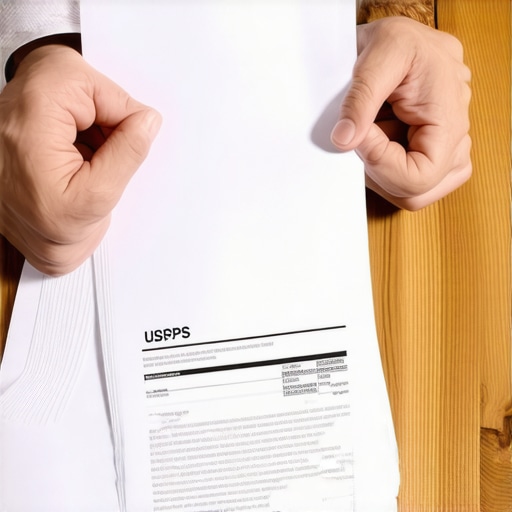 I keep a dedicated folder for my green certified mail receipts—each one is a receipt for my financial progress. This is the core of the DIY credit repair checklist that outperforms paid services every single time.
Start Building Your New Profile While the Old One Cleans Up
Repairing the past is only half the battle. If you delete every negative item but have no positive history left, you’ll end up with a ‘thin file,’ which can be just as bad as a low score. While you are fighting the bureaus, you should also be how to use credit builder loans to establish a solid profile. These are low-risk ways to show you can handle monthly payments. You don’t need a $10,000 limit to look good to FICO. In fact, why small limit cards are better for building credit fast is a secret many gurus won’t tell you. They allow you to practice the small balance hack that adds 20 points to your FICO by keeping your utilization extremely low without much effort. The goal is a balanced attack: cleaning the errors and planting new, healthy seeds at the same time.
The Zero Balance Trap Most Experts Ignore
Most people think the ultimate goal of credit repair is to see a beautiful row of zeros across their credit report. I used to think that too. I worked tirelessly to pay off every cent, expecting my score to skyrocket. Instead, it stalled. Here is the contrarian truth: why a zero balance is not always the best for your FICO score comes down to ‘utilization signaling.’ If every card shows $0, the FICO algorithm often assumes you aren’t using credit at all, which can actually result in a lower score than if you showed a tiny 1% balance. This is known among high-scorers as the AZEO (All Zero Except One) method. It’s a nuance that separates the 700s from the 800s. Have you ever noticed your score dip after paying off a balance in full? Let me know in the comments because this trap catches everyone at least once.
How to Stop the Bureau AI From Ghosting Your Letters
When you send a dispute, it isn’t usually a human reading it first; it’s a machine. The bureaus use a system called e-OSCAR to scan your letter for keywords. If your letter looks too much like a template from a ‘credit sweep’ site, the AI will flag it as frivolous. To win, you must learn how to stop AI from automatically rejecting your dispute letter by adding personal details and unique phrasing. You need to provide the evidence that stops a bureau from labeling your dispute frivolous, such as a utility bill or a handwritten explanation of the error. If the machines keep saying no, you have to know how to force a manual review when the bureau robots say no. This requires a level of persistence that most people give up on after the first rejection. 
Why Did My Score Drop After a ‘Successful’ Deletion?
This is the most frustrating advanced mistake in the book. You spend months fighting to remove a 6-year-old collection, it finally disappears, and your score drops 20 points. Why? Because that old account, despite being negative, was contributing to your ‘length of credit history.’ When it vanished, the average age of your accounts plummeted. This is why FICO insights are so critical; you have to weigh the benefit of removing a negative item against the potential loss of account age. According to a study by the Consumer Financial Protection Bureau (CFPB), nearly 25% of consumers identified errors on their credit reports that could affect their scores, but many found that ‘cleaning’ a report without a strategy for building credit simultaneously left them with a weaker profile overall.
The Shift Toward Trended Data and FICO 10T
The game is changing again with the introduction of FICO 10T. Unlike older versions that only looked at your ‘snapshot’ balance for the month, the new system looks at your behavior over the last 24 months. If you are ‘transacting’ (paying in full) or ‘revolving’ (carrying a balance), the bureaus now see the pattern. Understanding the logic behind the FICO 10T trended data shift is essential if you want to stay ahead. You can’t just fix a mistake and go back to old habits; you need to cultivate the habit of high score achievers by monitoring your report every 30 days to ensure no new errors creep in. Master the nuance, and you master your financial future.
Stop Guessing and Start Tracking Every Dispute Like a Pro
After years of trial and error, I realized that the secret to a permanent high score isn’t a secret at all—it is organization. I personally stopped using fancy automated portals because they often strip away the unique details that make a case compelling. Instead, I rely on a simple, physical accordion folder and a highly detailed spreadsheet. This is what I call the evidence log that forces a bureau manual review. Every time I send a letter, I staple the certified mail receipt to a copy of that specific letter. If a bureau claims they never received my evidence, I don’t argue; I just send a photocopy of the signed green card. This level of meticulousness is the habit that keeps your fico score above 780 every month because it transforms you from a ‘complainer’ into a ‘litigant in waiting’ in the eyes of the credit bureaus.
How do I maintain my credit profile over the long term?
The work doesn’t stop once the deletions happen. Maintenance is about preventing ‘re-pollution’ of your data. I use a specific strategy where I check my reports every 30 days, not just for new negatives, but for ‘soft’ errors like a misspelled employer name or a slightly off address. These small data points are often used by systems to link you to old, zombie debts. By mastering the habit of high score achievers, you ensure your file remains ‘clean’ in the eyes of the AI. I also recommend setting up a ‘Statement Date’ calendar. Understanding why your credit card statement date is a critical number allows you to time your payments so that the bureau always sees a low balance, even if you spend thousands on the card throughout the month. 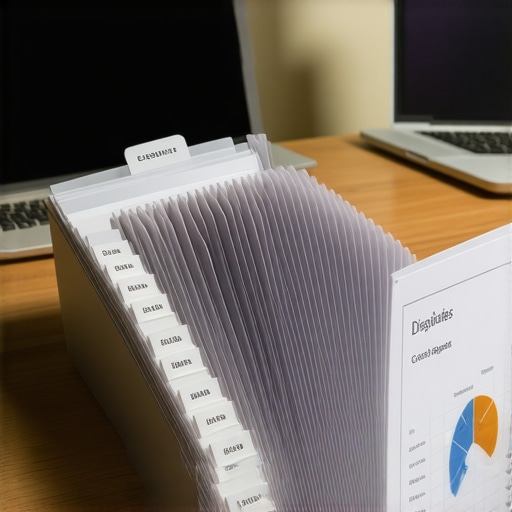
Why Your Filing Cabinet Is More Important Than Credit Software
Many people ask me which app they should buy to fix their credit. Honestly? Most of them are a waste of money. There is a massive danger of using credit repair software without a plan because these programs often generate the exact same templates that the bureaus’ e-OSCAR system is trained to ignore. According to technical documentation on the Metro 2 reporting format—the standard used by all major creditors—data is sent in rigid fields that software often fails to address properly. You need to be the one to bridge that gap with manual letters. If you are struggling with a complex issue, like a mixed file, you should look into the 3 documents you need to clear a mixed credit file and send them via mail. This ‘old school’ approach is the only way to ensure a human actually looks at your evidence. Looking ahead, I predict that as AI becomes more integrated into banking, ‘Trended Data’ will become the only metric that matters. This means your behavior today will impact your score more heavily two years from now than it ever has before. My best advanced tip? Try the ‘AZEO’ method this month: pay every single credit card to a zero balance except for one, which you should leave with a $10 balance. This small tweak can often trigger a significant FICO jump by proving you have credit but aren’t ‘thirsty’ for it. Check out the rule for using just one credit card to maximize your fico to see exactly how to execute this without making a mistake.
The Hardest Lesson I Learned About FICO and Fake Fixes
After years in the trenches, I have realized that the credit bureaus are not just looking for errors; they are looking for credibility. If you look like a automated ‘sweep’ bot, you lose instantly. My biggest lightbulb moment occurred when I stopped trying to delete everything at once and started using the one document that forces a bureau manual review to prove my specific case. I also learned that true credit repair secrets are not really secrets at all—they are just boring, consistent habits. Do not chase the 30-day miracle; instead, focus on the credit repair blueprint fixing errors and strengthening your financial profile for the long haul. Remember, a thin file with zero negatives is often just as useless to a lender as a full file with collections. You need a surgical mix of cleanup and credit building strategies correcting dispute errors to see that score reach the high 700s.
My Personal Gear for Fighting the Credit Bureaus
I do not trust flashy apps to do a human’s job. When I am serious about a dispute, I use a physical evidence log. It might feel dated, but using the evidence log that forces a bureau manual review is how you win if your case ever needs a legal escalate. My toolkit is simple: a physical accordion folder for receipts, a digital calendar to track my statement dates because I know why your credit card statement date is a critical number for reporting, and a reliable printer. If you are dealing with more complex identity issues, keep the 3 documents you need to clear a mixed credit file ready to go at a moment’s notice. This manual, documented approach is your best defense against robotic AI rejections.
Take Control of Your Financial Narrative Today
Your credit report is essentially a story about your reliability as a borrower. Do not let a ‘credit sweep’ scam artist or a buggy bureau algorithm write that story for you. You have the legal right to an accurate file, and by using the right credit repair tactics, you can reclaim your financial future. It will not happen by tomorrow morning, but by next year, you will be incredibly glad you started today. Have you ever been burned by a company promising a fast credit sweep, or did you find success doing it yourself? Let me know in the comments below!