

I still remember the sinking feeling in my chest. It was a rainy Tuesday, and I was checking my credit monitoring app, expecting to see a bump because I had finally paid off a pesky old utility collection. Instead, my score had plummeted twenty points. There it was: a brand-new collection entry from a different debt buyer, listed alongside the old one I had just settled. I had fallen into the classic trap of a double-entry error, and the system was punishing me for doing the right thing.
How Doing the Right Thing Triggers a System Glitch
When you pay off a collection, you expect a clean slate. Instead, what often happens behind the scenes is a chaotic game of digital telephone. The original collection agency updates your status to paid, but in the messy world of debt buying, that same account might have already been bundled and sold to another agency. Suddenly, you have two agencies reporting the exact same debt—one as paid, and one as active and unpaid. It is incredibly frustrating, but it is a battle you can win if you know how the system functions. If you want to avoid these headaches entirely, it is crucial to understand why you should never pay a collection before getting a written agreement first.
Is fighting a double-entry collection really worth the hassle?
Absolutely. You might think, “Well, the bureaus will surely realize it’s the same fifty-dollar medical bill, right?” Wrong. The automated systems used by the credit bureaus are notorious for failing to connect these dots. According to a landmark study by the Federal Trade Commission (FTC), one in five consumers has an error on at least one of their credit reports. When a paid collection is duplicated, it makes you look like a chronic defaulter rather than someone who took care of their financial business. It drags down your FICO score and ruins your chances of securing competitive interest rates.
The Early Mistake I Made and What It Cost Me
When this first happened to me, I panicked and disputed the new account online using a generic “not mine” dispute option. That was a massive mistake. The automated system simply verified the debt with the new collector, and my dispute was rejected. By not presenting clear, physical evidence of the double-entry error, I wasted valuable time. I learned the hard way that why your bank statement is the best weapon in a dispute along with your settlement receipts. To win this fight, you need a paper trail that connects the original account number, the payment date, and the newly duplicated entry. Have you ever logged into your credit portal only to find a debt you already settled staring back at you under a different name? If so, you are not alone, and we are going to fix it today.
Fighting a double-entry collection is not about screaming unfairness to the wind. It is about presenting a clinical, structured argument that the credit bureau’s automated system cannot easily dismiss. When you submit a dispute, an optical character recognition scanner parses your document, turning your hard work into a two-digit dispute code. If you want to beat this machine, your evidence must be incredibly clear and impossible to misinterpret.
The Step-by-Step Blueprint to Erase Duplicate Collections
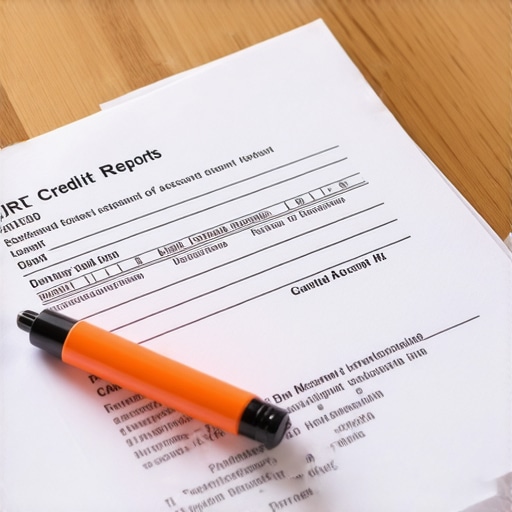
To win this fight, you need to collect your paper trail before you even think about contacting the bureaus. This is not the time for guesswork. You need to prove a single debt is masquerading as two distinct liabilities. When I faced this myself with a duplicate medical collection, I foolishly sent a disorganized pile of unsorted papers. The bureau rejected it within days. I had to pull my physical reports, highlight the matching original account numbers, and structure my argument like a legal brief before I finally saw results.
Gather Your Proof of Payment and Paper Trail
First, obtain your official settlement receipt or the direct letter of confirmation from the first collection agency showing the account is satisfied. If you paid via bank transfer or check, secure that statement immediately. Understanding why your bank statement is the best weapon in a dispute will help you realize that a financial institution’s stamp carries far more weight than your personal word. Make sure the dates, dollar amounts, and original creditor names match perfectly across both credit registry files.
Cross-Reference the Account Identifiers
Compare the two entries side-by-side. Often, the second debt buyer will slightly alter the account number or change the collector name to bypass automated duplicate-detection filters. Look for identical open dates, matching original balances, and the same original creditor name. Highlighting these matching data points on your physical paper reports makes it incredibly easy for a human processor at the bureau to spot the error. If you find they have also altered dates to make the debt look newer, you need to know how to spot a re-aged debt on your credit report immediately to shut down that illegal tactic.
Draft a Precise Dispute Letter and Skip Online Portals
Avoid the temptation of the fast online dispute button. Online portals force you into pre-selected check-boxes that strip away your evidence. Write a physical letter and mail it via Certified Mail with Return Receipt Requested. In your letter, state clearly: “This is a duplicate reporting error of a single debt. Account A and Account B share the same original creditor, the same balance, and the same origin. Account A has been fully settled, and Account B is an unauthorized duplicate entry of that same settled liability.” Mention that you are proactively working on correcting dispute errors effectively to ensure your credit profile reflects accurate data. Attach copies of your settlement letter, your highlighted credit reports, and your bank proof. Do not send your only originals; send clear copies.
Monitor Your Credit File for the Deletion
Once the bureau receives your certified letter, they legally have 30 days to investigate. Keep a close eye on your tracking number so you know exactly when the clock starts ticking. While you wait, keep monitoring your entire file. If you are serious about clean records, you should also check your TransUnion file specifically for errors, as duplicate collections frequently slip through one bureau while being blocked by another. When the deletion letter finally arrives, keep it in a safe place permanently in case the debt is sold yet again.
When you begin analyzing your credit files, you start to realize that the industry is built on a house of cards. Most people believe that the credit bureaus are highly sophisticated financial institutions. They assume that Equifax, Experian, and TransUnion verify every single piece of incoming data with absolute precision. That is a myth. In reality, the bureaus are massive data aggregators that rely on automated matching algorithms. When a debt collector reports an account, the system does not double-check its moral or legal validity; it simply publishes it.
The Illusion of the Automated Verification Process
The biggest misconception in the credit repair space is that sending a dispute letter forces a human being to call the creditor and verify your file. In my experience, relying on the bureau’s standard verification process is a losing game. When you dispute a duplicate entry, the bureau transmits a computerized code through a system called e-OSCAR to the debt buyer. The debt buyer’s computer system, which is programmed to protect its own revenue, simply matches your name and social security number and replies with a digital thumbs-up. This automated loop is why so many legitimate disputes are rejected within forty-eight hours.
Why does my score sometimes drop after I successfully dispute an old collection?
This is the ultimate paradox of the credit system, and it catches even advanced credit builders off guard. When you successfully dispute an error or try correcting dispute errors effectively on an old, settled collection, the bureau updates the status of that account. However, FICO algorithms place heavy emphasis on the “date of last activity.” If a human processor manually updates an inactive, five-year-old collection status, the system may register this as fresh negative activity. Suddenly, an old debt looks brand new to the scoring model, causing your FICO score to take an unexpected dive. To minimize this risk, you must understand the deep mechanics of understanding FICO dispute errors and credit repair hacks before sending your letters.
The Re-Aging Trap and How to Dodge It
Another dangerous nuance is “re-aging.” When debt buyers purchase old portfolios, they sometimes alter the default dates to bypass the seven-year reporting limit. If you are not vigilant, a duplicate collection can artificially extend its lifespan on your report for another decade. A study by the Consumer Financial Protection Bureau (CFPB) confirms that medical and telecommunication debts are the most frequent culprits of inaccurate reporting and illegal re-aging. This is why you must learn how to spot a re-aged debt on your credit report immediately to protect your financial profile.
When dealing with these advanced errors, generic dispute templates will not cut it. You must show the bureau that you understand their system better than they do. By pointing out inconsistent open dates and matching original creditor details, you force them to look past the automated e-OSCAR system. Have you ever fallen into this trap and watched your score drop after trying to do the right thing? Let me know in the comments below, and let us strategize your next move together.
Once you navigate the messy hurdles of removing duplicate entries and fighting system glitches, you enter the maintenance phase. Many people treat credit repair as a one-time project, but maintaining a pristine FICO score requires ongoing attention and the right set of diagnostic tools. If you drop your guard, automated system updates can quietly resurrect old errors or introduce entirely new ones without your knowledge.
How do I maintain my FICO score over time without getting overwhelmed?
The secret lies in automating your monitoring and relying on physical documentation rather than superficial apps. I personally avoid relying solely on basic credit tracking platforms. Instead, I use a dedicated document scanner to digitize every piece of financial correspondence, alongside a secured digital vault to store my physical reports. When it comes to checking your standing, you should also commit to a routine of pulling your official paper files annually, because they contain granular metadata that digital dashboards completely omit. For a comprehensive strategy, review the credit repair blueprint fixing errors and strengthening your financial profile so you can establish a robust defense system.
The Future of Credit Monitoring and AI Matching
The landscape of credit reporting is shifting rapidly. Over the next few years, I predict we will see the credit bureaus lean even more heavily into automated AI-driven verification systems. While the bureaus claim this will reduce errors, it will likely make automated dispute rejections more common for complex issues. This makes learning credit building strategies correcting dispute errors for better FICO in 2025 absolutely essential. Understanding how the underlying algorithms process your files will be the only way to protect your rating from systemic glitches.
If you want to stay ahead of these changes, start implementing professional habits today. My top recommendation for an advanced step you can take right now is to bypass digital interfaces entirely and write a physical letter requesting your official files directly from the bureaus. I highly recommend reading about why you should always request a paper credit report to see how this simple change exposes hidden details that apps hide from you. Take charge of your physical paper trail and force the bureaus to play by the rules.
When you take control of your financial profile, you are doing more than just fixing typos on a screen. You are actively stepping into a complex financial system that requires strategy, patience, and precise execution. The journey to reclaiming your score is rarely a straight line, but with the right blueprint, you can overcome systemic glitches and secure the credit standing you deserve.
The Hardest Lesson I Learned About Tackling Bureau Glitches
Through trial and error, the absolute most critical realization I had is that the credit bureaus are not neutral arbiters of truth. They are automated corporate filing cabinets. Here are the three reality checks that completely transformed my approach to credit repair:
- The system is designed to reject you first: Automated optical scanners look for reasons to dismiss your mail as frivolous. If your letter looks like a template, it will be treated like one.
- Paying a collector does not automatically erase the past: Many assume that settling a debt wipes the slate clean, but without strategic intervention, you often end up with a paid status that still weighs down your average history age. This is why you must understand why paying off a collection does not always raise your score.
- You have to be your own investigator: If you do not actively cross-reference your paper files across all bureaus, errors will slip through. No app or software is going to catch a split file or a slightly modified account number for you.
My Essential Toolkit for Rebuilding FICO
You do not need to spend thousands on shady credit repair companies to get clean records. In fact, doing it yourself with the right instruments yields far better, permanent results. Here are the tools I rely on to maintain a healthy profile:
- Physical Certified Mail: The paper trail is your ultimate legal shield. When you mail disputes via Certified Mail with Return Receipt Requested, you establish an official, legally binding timeline that the bureaus cannot ignore.
- The Annual Credit Report Portal: Skip the simplified mobile interfaces. Use the official government-mandated site to pull your physical credit files so you can look for deep metadata inconsistencies.
- A Secure Digital Archive: Maintain a dedicated folder with every settlement agreement, bank statement, and bureau response letter. This keeps your records organized and prevents deleted items from being sneakily re-inserted later.
Take Charge of Your Financial Destiny Today
The road to a pristine FICO score is paved with persistence. Systemic errors, duplicate collections, and automated loop rejections are incredibly frustrating, but they are entirely beatable when you refuse to back down. By shifting your approach from online portals to precise, physical paper trails, you force the credit bureaus to play by the rules. If you are ready to take the next step in organizing your files, I highly recommend reviewing the credit repair blueprint fixing errors and strengthening your financial profile to establish your long-term defense strategy. Your credit score is the key to your financial freedom—do not let automated system glitches hold you back any longer.
Have you ever successfully removed a duplicate collection entry from your credit report? Let me know what worked for you in the comments below!