
I remember sitting on my brand-new leather sectional, feeling like I’d finally made it, only to have my heart drop when a notification popped up on my phone: my credit score had just plunged 42 points. I hadn’t missed a single payment in five years. I wasn’t late. I didn’t even apply for a new loan. I was just living my life, yet FICO was treating me like a high-risk gambler. It felt personal. That visceral sting of ‘doing everything right’ and still getting penalized is what drove me to dig into the gears of the credit machine. Today, I’m going to show you exactly why that big-ticket item sent your score into a tailspin and the simple steps you can take to bounce back.
That New Purchase Just Cost You 40 Points
I made a massive mistake early on by assuming that if I paid my bill in full every month, the amount I charged didn’t matter. I thought the ‘due date’ was the only date that counted. I was wrong. Your credit score is a snapshot, not a movie, and if the credit bureau takes that picture while your balance is high, they see a risk, not a responsible shopper. This is because why your credit utilization ratio is more important than your balance in the eyes of the scoring algorithms. When I bought that sofa, I used 90% of that card’s limit. Even though I had the cash to pay it off, the bank reported that high balance to the bureaus before my payment was even due. Suddenly, I looked ‘maxed out.’ Have you ever checked your score after a shopping trip and felt that same punch in the gut? It’s a common trap, but once you understand the timing, you can play the game much better.
Is the Famous 30 Percent Rule Actually a Lie?
You’ve probably heard experts say to keep your usage under 30%, but if you’re serious about a top-tier score, that’s actually mediocre advice. According to the Consumer Financial Protection Bureau, keeping your utilization as low as possible—ideally under 10%—is what the ‘credit elites’ do. When you make a large purchase, you disrupt the impact of a high limit card on your credit utilization, making it look like you’re leaning too heavily on borrowed money. I learned the hard way that even a temporary spike can stall your financial goals. However, there is a way to reverse the damage. By using a small balance hack that adds 20 points to your fico, you can often see a recovery in as little as one billing cycle. We are going to look at how to time your payments so the bureaus never see that high balance again.
Win the Timing Game Against the Credit Bureaus
Think of the credit bureaus as a nosy neighbor who only looks through your window once a month. If they peak in while you have laundry piled on the couch, they assume your house is always a mess. In the credit world, that ‘mess’ is your balance. Most people focus on the due date, but that is a rookie mistake. The date that actually dictates your score is the statement closing date. This is when the bank takes a snapshot of your account and whispers the numbers to Equifax, Experian, and TransUnion. If you charge $2,000 for a new laptop and pay it off on the due date, the bureau has already seen that $2,000 balance and dinged your score for high utilization. To beat them, you must pay your balance down to under 10% at least three days before your statement cycle ends. 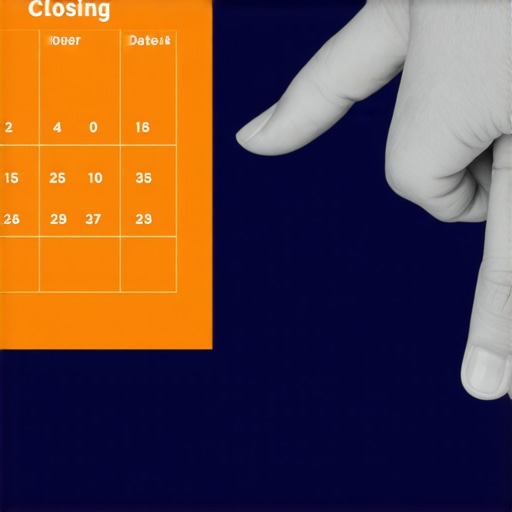
Make Two Monthly Payments to Trick the Algorithm
If you find it hard to dump a large sum at once, there is a way to bake consistency into your routine. I started using a method where I pay half of my expected bill on the 15th and the remainder a few days before the statement closes. This is exactly why you should pay twice a month for maximum fico points. It keeps your average daily balance low and prevents those mid-month spikes from looking like a permanent debt load. I remember trying this when I was rebuilding my own file; I had a tiny $500 limit card that I was using for gas. Even though I paid it in full, my score wouldn’t budge because I was using $450 of that limit every month. Once I split those payments, my score jumped 18 points in thirty days without me spending a penny less. It is about managing the optics of your debt, not just the debt itself.
Stop Letting Reporting Errors Steal Your Points
Sometimes the drop in your score isn’t your fault at all. After I fixed my timing issues, I noticed my score stayed flat for three months. I decided to how to audit your credit report for hidden reporting errors and found an old retail card marked as ‘closed by grantor’ with a late payment that I knew I had paid. This is where understanding fico dispute errors and credit repair hacks becomes your superpower. I had to get organized. I started keeping the specific log you need to keep when calling bureaus, noting every representative’s name and the date of the call. When you approach a dispute like a detective rather than a victim, the bureaus take you much more seriously. I also learned to how to monitor your credit for small changes that matter, because even a misspelled address or a transposed digit in your social security number can lead to ‘split files’ that confuse the scoring models. Resolving these clerical ghosts is often the fastest way to see a massive swing in your FICO score without actually changing your spending habits.
Stop Chasing a Zero Balance Every Month
Most financial gurus scream from the rooftops that debt is the enemy, but if you are aiming for a perfect 850, staying at a total $0 balance is actually a strategic blunder. I have coached people who cleared every single penny of debt only to watch their score plateau or even drop ten points. This happens because the FICO algorithm needs to see ‘active’ management of revolving credit to assess your risk. This is why a zero balance is not always the best for your score. The credit elites use a strategy called AZEO (All Zero Except One). They ensure every card reports a $0 balance except for one primary card, which reports a tiny balance—ideally less than 1% of its limit. It sounds counterintuitive, but showing that $5 balance proves you are using the system responsibly rather than just opting out of it entirely.
Why Did My FICO Score Drop When I Finally Paid Off the Car?
This is the advanced question that keeps many of my readers up at night. You celebrate your last car payment, expecting a victory lap from the credit bureaus, only to see your score tank. The reason is a nuance in ‘credit mix.’ According to research from FICO, your credit mix accounts for about 10% of your score. When you close that installment loan, your profile loses diversity. More importantly, FICO rewards ‘active’ installment loans more than closed ones. It is a classic ‘oops’ factor: you did the right thing financially, but the algorithm sees a less diverse profile. This is the reason your car loan is reported differently than your mortgage, and knowing this prevents the panic that usually follows a major payoff.
Spot the Re-Aging Trap Before Collectors Reset the Clock
The most dangerous mistake you can make when dealing with old debt is talking to a collector without a plan. There is a predatory tactic known as ‘re-aging,’ where a collector tries to manipulate the ‘Date of First Delinquency’ to keep a negative item on your report longer than the legal seven-year limit. I have seen collectors trick people into making a $5 ‘good faith’ payment, which can sometimes restart the statute of limitations for a lawsuit. You must learn how to spot a re-aged debt on your credit report immediately by comparing your original records with what the bureau is currently showing. 
The Hidden Risk of Automated Repair Solutions
In the age of AI, many are turning to apps to fix their files, but the problem with using credit repair software for complex errors is that it often triggers ‘frivolous’ flags. The bureaus use automated OCR (Optical Character Recognition) to scan your dispute letters. If your letter looks like a thousand others generated by a bot, they will reject it without a human ever looking at your evidence. To win, your disputes must be manual, specific, and backed by paper trails that robots can’t replicate. Have you ever fallen into this trap of trusting an automated system only to be ignored by the bureaus? Let me know in the comments. Real credit repair is a chess match, not a button-click.
Make My Sunday Audit Your New Financial Habit
Every Sunday morning, while the coffee is brewing, I take ten minutes for how to monitor your credit for small changes that matter. I’m not just looking at the number; I’m looking for the ‘metadata’ of my financial life. I check for new addresses I don’t recognize, misspelled employer names, or shifts in how my balances are reported. This habit saved me last year when a utility company I’d left three years ago suddenly tried to report a $14 ‘equipment fee’ I didn’t owe. By catching it in days rather than months, I stopped the damage before it even touched my FICO. It’s part of the broader mastering credit repair dispute errors and fico optimization workflow that separates the pros from the amateurs.
The Physical Tools That Actually Win Disputes
People ask me what software I use, and I usually shock them by pointing to a file cabinet and a roll of stamps. This is why you should always send dispute letters via certified mail: it creates a legal paper trail that digital clicks simply can’t match. I also keep the specific log you need to keep when calling bureaus, which has been my ‘smoking gun’ in several cases where a representative promised a deletion that never happened. If you want to see what the bureaus see, you have to realize why you should always request a paper credit report. The digital versions we see on apps are often condensed, missing the ‘date of first delinquency’ which is the holy grail for timing your disputes. 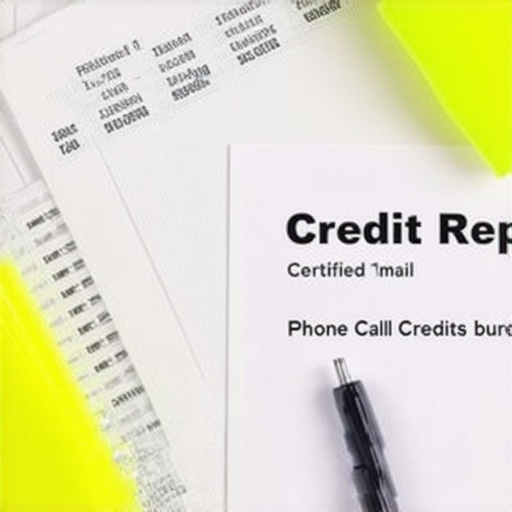
How do I keep my score high without the stress?
Long-term maintenance is about protecting your ‘Average Age of Accounts’ and staying consistent with credit building strategies correcting dispute errors for better fico in 2025. According to Tom Quinn, Vice President of Scores at FICO, the ‘High Achiever’ profile—those with scores over 800—usually features an oldest account that is 25 years old. This means you should stop closing old cards just because you don’t use them. I suggest using the ultimate guide to dispute errors and credit building in 2025 to map out your long-term roadmap. Looking forward, the industry is moving toward ‘Trended Data’ with models like FICO 10T. This means the algorithm will look at whether your balances are growing or shrinking over 24 months, making your monthly consistency even more critical. Sometimes, you just need the one document that forces a bureau manual review to get past a plateau. My challenge to you: pull one paper report this week and find the ‘Date of First Delinquency’ for any negative item. It is the first step in taking back control.
The Brutal Truths About My FICO Journey
Looking back at my 42-point drop, I realized that credit isn’t a reward for being rich; it’s a reward for being predictable. The algorithm loves boring, rhythmic stability. One thing I learned is that ‘perfect’ is often the enemy of ‘profitable.’ Don’t obsess over a 5-point dip from a hard inquiry if it secures you a 2% lower interest rate on a mortgage. Also, remember that the credit bureaus are private businesses, not government entities. They make mistakes because their primary goal is selling data, not ensuring your profile is flawless. Lastly, every 30 days is a fresh start. Your past financial shadows have an expiration date, but your strategic habits—like mastering credit repair dispute errors and fico optimization—start working the moment you implement them.
My Personal War Chest for Fighting the Bureaus
If you’re ready to stop guessing, you need a physical toolkit. First, never underestimate the power of a simple paper file. I use the ultimate guide to dispute errors and credit building in 2025 as my primary roadmap for every dispute. Second, I always keep a roll of stamps and a stack of forms because I know why you should always send dispute letters via certified mail to ensure a legal trail. Third, my most valuable ‘software’ is actually just the specific log you need to keep when calling bureaus, which has saved me from countless headaches when a representative fails to follow through on a promise. Finally, I trust the data from my monthly deep dives when I how to audit your credit report for hidden reporting errors to catch small issues before they become catastrophes.
Your 800-Point Score is Waiting
The journey to a top-tier credit score isn’t a sprint; it’s a series of intentional, small steps. You now have the insider secrets to manage your utilization, time your payments, and force the bureaus to listen when they make a mistake. By focusing on consistent credit building and aggressively fixing dispute errors, you are taking back the keys to your financial future. It might feel slow at first, but once that momentum builds, the doors to low-interest loans and premium credit cards will swing wide open. Don’t be afraid to take that first step today—your future self will thank you for the work you’re doing right now. Have you ever felt like you were doing everything right only to see your score stall? Let me know your experience in the comments below.