

I spent three hours staring at a rejection letter for a mortgage refinance before I finally realized the system wasn’t just unfair—it was flat-out wrong. My oldest account, a department store card I’d used responsibly since college, was suddenly showing an opening date from 2021 instead of 2009. That single typo shaved years off my credit age and tanked my FICO score right when I needed it most. It felt like a punch to the gut. I had done everything right, or so I thought, until I saw how a simple data entry error could dismantle a decade of discipline. Today, I’m going to show you exactly how to find these sneaky date errors so you don’t end up leaving money on the table like I almost did.
Fix Those Wrong Dates Before They Cost You a Fortune
Most of us just glance at the balance and the paid on time checkmarks, but the dates are where the real magic (or misery) happens. Your credit age makes up a massive 15% of your score, so if a bureau thinks your ten-year-old account is a toddler, you’re paying higher interest rates for no reason. When I first started, I made the amateur mistake of assuming the bureaus had some sort of high-tech truth filter. They don’t. They just report what’s sent to them. I once ignored a date of last activity that was clearly wrong because I didn’t want the hassle of paperwork, and it cost me thousands in extra interest over two years. You need to audit your credit report for hidden reporting errors specifically looking at those opening and closing timestamps. According to a study by the Federal Trade Commission, about 5% of consumers had errors on one of their three major reports that could lead to them paying more for products like auto insurance. That’s millions of people getting overcharged. Have you ever felt like your score was stuck in the mud despite doing everything by the book? [image placeholder]
Is it really worth the time to check every single line?
You might think hunting through spreadsheets of data is a waste of a Saturday, but think of it as a treasure hunt where the prize is your own money. When you dispute errors on your credit report, you aren’t just complaining; you’re reclaiming your financial reputation. I’ve seen friends jump 40 points just by correcting a single date opened field. It’s about understanding why your credit history length is a critical factor for loans and making sure the robots at the bureaus respect your timeline. If you’ve ever noticed your score dip for no reason, have you checked if an old account suddenly looks new again? It happens more often than you’d think, and it’s time we start fighting back with a little bit of scrutiny.
Hunt Down the Fake Birthdays of Your Accounts
The first thing you have to do is line up your reports from Equifax, Experian, and TransUnion side-by-side. It’s like playing a high-stakes game of Spot the Difference where the prize is a lower interest rate. Look specifically at the Date Opened and Date of Last Activity fields. When I first did this, I discovered my oldest credit card was listed correctly on one report but was somehow ten years younger on another. This is exactly why you need to how to audit your credit report for hidden reporting errors with a fine-tooth comb. If the dates don’t match across all three bureaus, you’ve found the smoking gun that is suppressing your score.
Gather the Smoking Gun Evidence
The credit bureaus rarely take your word at face value; they require a concrete paper trail to overrule a creditor’s data. I once spent an entire rainy afternoon digging through a storage unit to find a single bank statement from 2012. It was a dusty, miserable task, but that one piece of paper became the one document that forces a bureau manual review. Without it, the automated e-OSCAR system would have just bounced my dispute back as verified. Think of your evidence like a courtroom exhibit; it needs to be undeniable to break through the automated filters. This level of preparation is the foundation for effective dispute error resolution to boost your credit score in 2025.

Skip the Online Portal for Complex Errors
While the one-click dispute button on a bureau’s website is convenient, it is often a trap for complex date errors. Online portals typically limit you to generic checkboxes, which lacks the nuance required to explain a re-aged account or a mismatched opening date. This is why you should always request a paper credit report and send your dispute via certified mail. I once tried the digital route for a misreported car loan date, and the system rejected it in under 48 hours. When I sent the same evidence via physical mail, a human was forced to review the file, and the error was corrected in three weeks. While you wait, ensure you maintain the specific log you need to keep when calling bureaus to track every representative you speak with and every case number assigned to your file.
Identify Re-Aged Debt Immediately
Sometimes, a collection agency will maliciously update the Date of Last Activity to make a zombie debt look brand new. This is a dirty tactic called re-aging, and it can keep a negative item on your report far longer than the legal seven-year limit. I caught a collector trying this on an old utility bill; by showing the original delinquency date, I was able to prove they were violating federal reporting laws. You have to be aggressive when you see a date that looks suspiciously recent. If you can prove the account is older than reported, you aren’t just fixing a typo—you are potentially deleting the entire negative entry. Focus on mastering credit repair dispute errors and fico optimization by catching these subtle shifts before they become permanent anchors on your financial life.
Everyone tells you that the goal of credit building is to hit a zero balance across the board, but they’re wrong. In my years of digging through FICO algorithms, I’ve found that why a zero balance is not always the best for your fico score boils down to the ‘AZEO’ (All Zero Except One) method. If every card shows $0, the scoring model sees ‘no usage’ and assumes you aren’t an active borrower, which can actually drop your score. You need to show small, manageable activity. A study by the Consumer Financial Protection Bureau (CFPB) in 2021 highlights how automated systems often miss these nuances, leading to consumers being penalized for what looks like inactivity. You should aim for the small balance hack that adds 20 points to your fico 2 by keeping one card at a tiny balance while the others are clear.
Don’t Let Automated Software Sabotage Your Efforts
The biggest trap I see people fall into is the ‘credit sweep’ promise. You’ve seen the ads promising to delete everything in thirty days, but the truth about credit repair sweeps and why they fail is that they rely on identity theft affidavits that are often flagged as fraudulent. When the bureau catches on, they will flag your file as ‘frivolous’ or ‘suspicious,’ making it nearly impossible to fix legitimate errors later. It’s better to be a sniper with your disputes than a sledgehammer. The danger of using credit repair software without a plan is that it sends generic, detectable letters that robots auto-reject. This results in you being stuck in a loop of automated denials. 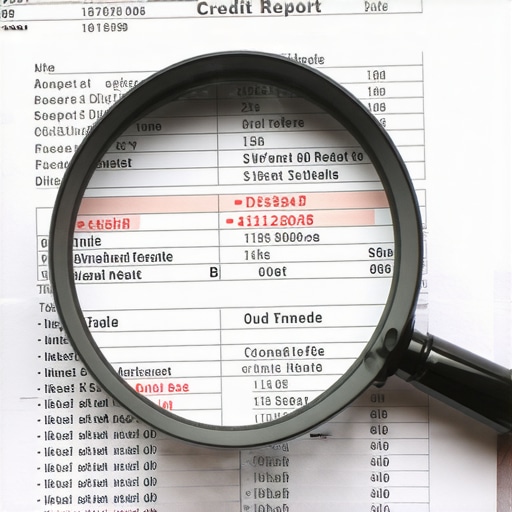
Why does your score stay flat even though you’ve paid off every old collection?
Many people expect a hero’s welcome in the form of a 100-point jump after paying off a debt, but why your score didn’t move after you settled that debt often comes down to the version of FICO your lender uses. Older models like FICO 4 or 5 still see a ‘paid’ collection as a negative mark. Instead of just paying, you should try the pay-for-delete strategy that works on old utility bills and other accounts to have the record removed entirely. This is the difference between an amateur and an expert: an amateur pays for peace of mind, while an expert pays for a deletion. Have you ever fallen into this trap of paying off a debt only to see your score stay exactly the same? Let me know in the comments. We need to focus on understanding fico dispute errors and credit repair hacks that actually move the needle, like addressing trended data or the newer FICO 10T models that look at your history over 24 months rather than just a snapshot of today. If you aren’t looking at your credit like a professional, you’re always going to be a step behind the bureaus.
Turn Your Filing Cabinet Into a Financial Fortress
Once you start seeing those score increases, the real work of maintenance begins. I don’t rely on generic phone apps for this; I built what I call my ‘War Room’ approach. I use a dedicated high-speed scanner—specifically my Fujitsu ScanSnap—to digitize every single piece of mail from a bureau or creditor the moment it arrives. This isn’t just about being organized; it’s about having a searchable database. When a bureau tries to claim a dispute is frivolous, I can instantly find the previous response they sent three months ago that contradicts their current stance. This is exactly how you build the evidence log that forces a bureau manual review. Without a physical or digital paper trail, you are just a voice in the wind to their automated systems.
Why I Trust a Specific Paper Trail Over a Shiny App
Many people ask me which ‘credit repair app’ they should buy, but the truth is, the most powerful tool I own is a simple spreadsheet and a stack of certified mail receipts. I track every single interaction because the bureaus are legally required under Section 611 of the Fair Credit Reporting Act (FCRA) to conduct a ‘reasonable reinvestigation’ within 30 to 45 days. If they miss that window by even twenty-four hours, you have the leverage to demand a deletion. I’ve found that the specific log you need to keep when calling bureaus is your insurance policy against their mistakes. In my own journey, I caught a bureau failing to update a corrected date on my TransUnion file simply because I had the exact date and time of my previous call recorded. 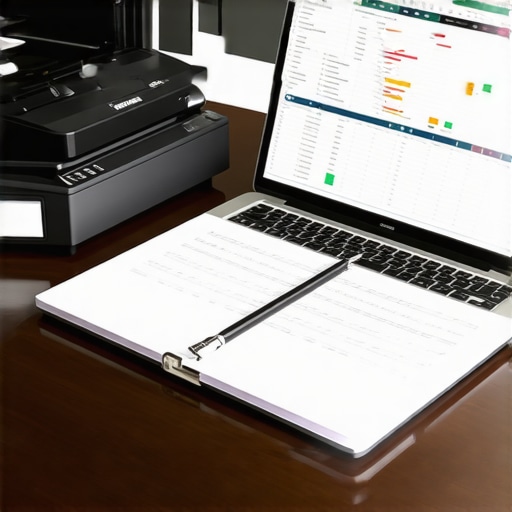
How do I keep my FICO score high for the long haul?
To maintain a top-tier score, you have to transition from a ‘fixer’ mindset to a ‘monitor’ mindset. I set a calendar alert for the first of every month to monitor your credit for small changes that matter, like a sudden one-point drop that could signal a re-aged debt or a new inquiry you didn’t authorize. I also keep a close eye on the logic behind the fico 10t trended data shift. The future of credit is no longer just a snapshot of today; lenders are looking at your last 24 months of payment behavior. If you spend one month with high utilization, the new 10T model will remember that for two years. This is why I always preach that you should always send dispute letters via certified mail to ensure your history remains spotless as these models become more sensitive. Looking ahead, I predict the bureaus will lean even harder into AI-driven ‘vetted’ disputes, meaning your evidence will need to be cleaner and more technical than ever. If you want to stay ahead, stop sending generic templates and start building your own unique paper trail today. Go find your oldest ‘verified’ dispute letter and cross-reference the date with your actual records—I bet you’ll find a discrepancy worth fighting.
The Painful Lessons That Finally Fixed My FICO Score
I learned the hard way that a ‘verified’ response from a bureau doesn’t mean the data is actually correct; it just means their computer talked to the creditor’s computer and they both agreed on the same lie. You have to break that cycle by using credit repair tips correcting dispute errors effectively to present independent proof. Another lightbulb moment was realizing that learning how to spot a re-aged debt on your credit report immediately is the fastest way to get a collection removed entirely rather than just updated. Finally, I realized that my credit age was a living thing—if I didn’t protect the ‘Date Opened’ on my oldest cards, I was essentially erasing my own financial history. If a bureau changes a 2010 date to 2022, they aren’t just making a typo; they are stealing your seniority. [image placeholder]
The Only Tools You Need to Win the Credit Game
Forget the fancy AI apps that promise a one-click fix. My first recommendation is a dedicated high-speed scanner like the Fujitsu ScanSnap. You need digital copies of every envelope and letter to ensure the ultimate guide to dispute errors and credit building in 2025 remains your roadmap, not just a suggestion. Second, always use USPS Certified Mail with a return receipt; this is the only evidence a court or a consumer advocate will respect. Lastly, I swear by a simple Excel spreadsheet to track every ‘Date of Last Activity’ across all three bureaus side-by-side. This level of granular detail is what finally allows you to how to force a manual review when the bureau robots say no.
Your Path to Financial Freedom Starts with One Date
Correcting these tiny timestamps might feel tedious, but it is the most direct route to a better financial life. When you take control of your credit repair journey, you stop being a victim of automated typos and start being the architect of your own score. Don’t let a single ‘2021’ where a ‘2009’ should be keep you from the home or car you deserve. By being the ‘sniper’ with your dispute errors instead of the ‘sledgehammer,’ you prove to the bureaus that you are paying attention, and they will eventually stop trying to push you around. Have you ever found a date on your credit report that was obviously wrong? Let me know in the comments below.