

I remember sitting at my kitchen table three years ago, staring at a credit card statement that felt like a personal insult. I had just made my $40 minimum payment on a $2,500 balance, feeling like a responsible adult who was finally getting their life together. Then I looked at the interest charge: $38.75. My jaw hit the floor. I had essentially paid the bank nearly forty dollars just for the privilege of staying in debt, while my actual balance only dropped by a measly buck and a quarter. It was a punch to the gut. I was caught in the classic psychological trap of thinking that staying current meant I was building wealth. In reality, I was just spinning my tires in deep financial mud.
The Night My Statement Finally Made Me Angry
I realized that night that the minimum payment is not a helpful tool; it is a meticulously designed cage. Banks love it when we do this because it maximizes their profit while keeping us just barely afloat enough to not default. I made a massive mistake early on by assuming that as long as I wasn’t ‘late,’ my credit score would flourish. I didn’t realize that the one mistake that extends the life of your debt most effectively is falling for this minimum payment bait. My utilization was through the roof, and my FICO score was suffering because of it. Today, I’m going to pull back the curtain on why this happens and show you how to break the cycle so you can actually start improving your credit dispute score and overall financial health. We are going to stop the bleeding and start building real momentum.
Is it really that bad if I just do this for a month or two?
It is tempting to think of the minimum payment as a temporary safety net, but the math is aggressively against you. According to a report by the Consumer Financial Protection Bureau (CFPB), credit card companies collected over $100 billion in interest and fees in 2022 alone, a staggering figure fueled largely by consumers who carry balances month-to-month. When you only pay the minimum, you aren’t just delaying the inevitable; you are actively sabotaging your future borrowing power. Even if you have a high credit limit, carrying that heavy weight makes lenders see you as a high-risk borrower. I spent years wondering why my score stayed stuck even though I never missed a due date. It turned out that my ‘safety net’ was actually a weight dragging me down. Have you ever felt like you’re running on a treadmill with your credit card debt, putting in all the effort but going nowhere? Tell me your story in the comments below—I’d love to hear how you’re fighting back.
Stop Focusing on the Due Date
The biggest lie in the credit world is that your due date is the most important day of the month. It isn’t. If you want to stop the bleeding, you need to look at your statement closing date. Think of your credit card like a high-speed camera. The bank only takes one snapshot a month to report your behavior to the bureaus. If that snapshot catches you with a 90% balance, it doesn’t matter if you pay it off in full two days later; the bureaus think you’re maxed out. I learned this the hard way when I paid off a $1,200 balance on my due date, only to see my FICO score drop 15 points because the statement had already closed with that high balance the week before. Understanding why your credit card statement date is more important than your due date is the difference between constant frustration and steady growth. You want your balance to be as low as possible on the day that snapshot is taken, not just on the day the bill is technically due.
Adopt the 15/15 Payment Strategy
To exploit this timing, I started using what experts call the 15/15 rule. You make one payment 15 days before your statement date and another payment three days before it closes. This ensures that when the bank finally reports to the bureaus, your utilization looks incredibly low. This is one of those habits of high score achievers that effectively tricks the system into seeing you as a low-risk borrower. When I first tried this, my score jumped 22 points in a single billing cycle without me spending a penny less than usual. It’s pure math working in your favor.
Audit Your Report for Stealth Errors
Before you can build new credit, you have to clean up the wreckage of the past. Most people assume the bureaus have their facts straight, but the system is riddled with inaccuracies. I once found an old utility bill from an apartment I hadn’t lived in for five years listed as a ‘late’ payment. It was a complete phantom. You need to learn the simple way to proofread your credit report for identity errors and clerical mistakes. Look at your address history, employment records, and account balances. If a balance on your report is higher than what you actually owe, you have to take action immediately. You can force a creditor to update an incorrect balance by providing your latest statement as proof.
How to Make a Human Actually Read Your Dispute
When you find a mistake, don’t just click ‘dispute’ on the credit bureau’s website. That button is a trap; it often funnels your request into an automated AI system that rejects generic claims in seconds. To get results, you have to bypass the AI review in credit disputes by sending physical mail. Write a letter that is specific and unique. You must stop sending generic dispute letters if you want a real person to look at your file. Use the specific phrase that triggers a human review by referencing exact laws like the Fair Credit Reporting Act (FCRA). When I sent a handwritten letter with a copy of my driver’s license and a utility bill, that old phantom debt was gone within 20 days. The bureaus are legally obligated to investigate, but they only take you seriously when you show them you know the rules of the game.
Let’s dig deeper. Most people assume that seeing a ‘zero’ across the board is the ultimate goal for a perfect score. I used to think the same. I worked tirelessly to wipe every single balance to $0, expecting a massive spike in my rating. Instead, my score dipped by 12 points. This is what insiders call the ‘all zero’ penalty. If every account you own reports a $0 balance, FICO’s algorithms cannot calculate your current risk, so they default to a lower score. It is counterintuitive, but why your 0 balance doesn’t always result in a higher score is one of those frustrating nuances that catches even the most disciplined borrowers off guard.
The zero balance trap that freezes your progress
The system wants to see that you are using credit responsibly, not that you have abandoned it entirely. A study by the Federal Reserve Bank of Philadelphia highlighted that credit score models are increasingly moving toward ‘trended data,’ meaning it’s not just about what you owe today, but the trajectory of your behavior over time. To stay in the sweet spot, you should aim for one card to report a very small balance—think $5 or $10—while the others are at zero. This proves you are active but low-risk. Have you ever fallen into this trap? Let me know in the comments. I felt like I was being punished for being good with money, but once I understood the logic, I could play the game better.
Stop paying old collections until you read this
There is a dangerous ‘Oops’ factor waiting for you in the collections department. You might think that settling an old debt is the honorable thing to do—and it is—but why paying off a collection could actually drop your score comes down to the ‘Date of Last Activity.’ On older FICO models, paying a five-year-old collection can ‘reset’ the clock, making a stale negative item look brand new to the algorithm. This is especially critical if you are looking at the credit prep you need before bidding on land in Washington County, TX, where mortgage lenders typically use older versions of the FICO formula that are less forgiving of recent activity on collections.
Why does my bank app show a different score than my lender sees?
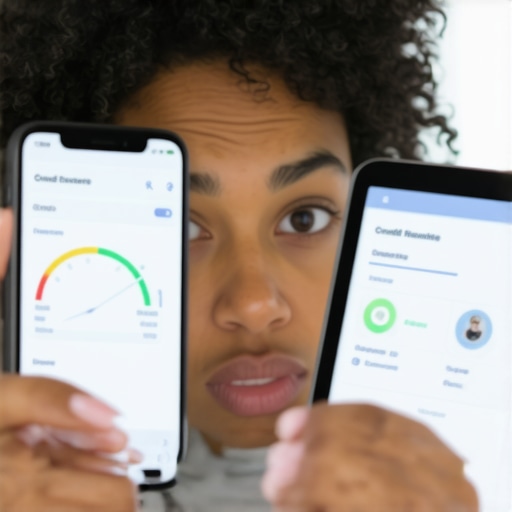
This is perhaps the most common source of confusion I see. Your banking app is likely showing you a VantageScore or a FICO 8, but a car dealership or a mortgage broker might be looking at a completely different version. Understanding why your FICO score and your bank’s app never match is vital for managing your expectations. For instance, the specific way lenders view your FICO 8 vs FICO 9 can change based on how they treat medical debt. FICO 9 is much more lenient toward medical collections than FICO 8. If you are preparing for a major purchase, you need to know exactly which model the lender uses. You might also want to research the difference between FICO 8 and FICO 10T for new borrowers, as the ‘T’ stands for trended data, which tracks your last 24 months of payment amounts, not just whether you were on time. By focusing on these high-level nuances, you move from just ‘having credit’ to truly mastering your financial profile.
I’ll let you in on a secret: my credit score isn’t high because I’m a genius; it’s high because I’m organized. I stopped relying on those flashy apps that just show you a number and started building what I call my ‘Evidence Log.’ This isn’t just a list of accounts; it’s the evidence log that wins every investigation by documenting every interaction with creditors. I use a simple spreadsheet to track my ‘Snapshot Dates’—the day each card reports to the bureaus—and I pair it with the documentation bureau reps hate to receive: copies of my actual paper statements and certified mail receipts. If you want to scale your score from the 600s to the 800s, you need to stop guessing and start logging. 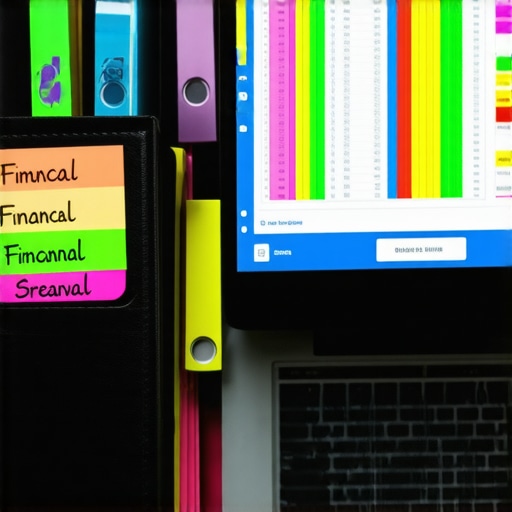
How do I maintain my credit score without obsessing over it?
Maintenance is actually easier than repair, but it requires a different set of habits. Once I reached my target score, I didn’t just stop. I implemented the $2 trick for keeping an old credit card active, which prevents the bank from closing my oldest accounts due to inactivity. I also set a calendar alert for every six months to do a deep dive into my full reports. You should always follow the 30-day rule for disputing new errors; if you catch a mistake within a month of it appearing, it’s significantly easier to remove than one that has sat there for a year. I also keep a permanent security freeze on my files. A lot of people think this stops progress, but why a credit freeze doesn’t stop your score from changing is a concept more people need to grasp—it protects you from identity theft while your score continues to climb in the background. Looking ahead, the industry is moving toward even more granular tracking. According to the FICO® Score 10 Suite technical overview, the shift to ‘trended data’ means the bureaus aren’t just looking at this month’s balance, but whether you are progressively paying down debt or gradually accumulating it over a 24-month window. This means the ‘quick fixes’ of the past are becoming less effective than consistent, long-term behavior. If you want to stay ahead of these algorithmic shifts, you need to be mastering credit repair dispute errors and FICO optimization as a lifestyle, not a weekend project. My challenge to you today: log into your most-used credit card, find the ‘Statement Closing Date,’ and set a phone alert for three days before that date. Make a small payment then and watch what happens to your score next month.#IMAGE_PLACEHOLDER_E#
The Truth About FICO No One Mentions at the Bank
After years of trial and error, I realized that credit isn’t a reward for being ‘good’ with money; it’s a measurement of how well you follow a very specific set of rules. The biggest lesson was that FICO insights on how dispute errors affect your score are worth more than any generic advice from a teller. You aren’t just a number; you are a data set. If you can control the data, you can control the score. Another ‘lightbulb’ moment was realizing that silence from a bureau is actually a weapon you can use. If they don’t respond within the legal timeframe, you have the upper hand. This is why effective dispute error resolution to boost your credit score in 2025 requires staying aggressive with your follow-ups. Never let a stall letter slow you down or discourage your progress. In my experience, the most stubborn errors often fall away on the second or third attempt if you remain persistent.
Gear Up for Your Next Big Financial Move
I didn’t get real results until I stopped using basic apps and started using professional documentation. I highly recommend keeping a physical folder for your ‘Paper Trail.’ This includes the paper trail method for deleting wrongful medical bills which often requires more than just a phone call. I also suggest bookmarking the official CFPB website and strictly adhering to the 30-day rule for disputing new errors. These aren’t just suggestions; they are the tools of the trade for anyone serious about mastering credit repair dispute errors and FICO optimization. I trust these methods because they rely on federal law rather than the whims of an algorithm. When you use the right tools, you stop asking for favors and start demanding accuracy.
Your Path to an 800 Score Starts Today
The system is complex, but it is not unbeatable. By focusing on your statement dates, using physical mail for disputes, and maintaining a low utilization across all your accounts, you are already ahead of the vast majority of other borrowers. Remember, every piece of evidence required to delete an incorrect late payment brings you one step closer to the financial freedom you deserve. Don’t let a temporary setback define your long-term potential. You have the knowledge now to turn the tide. What is the biggest roadblock you’ve hit while trying to fix a dispute error? Have you ever felt like you were shouting into a void when dealing with the bureaus? Let me know in the comments below—I read every single one and I’m here to help.