

I remember sitting at my kitchen table three years ago, staring at a car insurance renewal notice that felt like a slap in the face. My driving record was spotless. No tickets, no fender benders, not even a parking violation. Yet, my premium had jumped by nearly forty percent. When I finally got an agent on the phone, I expected an apology for some computer glitch. Instead, he asked if I had checked my credit lately. I was floored. What does my ability to pay a credit card bill have to do with how I handle a left turn on a rainy Tuesday? It turns out, everything. I had spent years ignoring a few dispute errors on my credit report, thinking they were just minor annoyances that only mattered if I wanted a new mortgage. I was wrong. The FICO score I was neglecting was the silent passenger in my car, making every mile more expensive than it needed to be. [image placeholder]
The Secret Math Behind Your Monthly Premium
Insurance companies aren’t just looking at your car’s safety features; they’re looking at your Insurance Score. It is a specialized version of your FICO score that predicts the likelihood of you filing a claim. It felt personal, and honestly, it felt a bit like a rig job. I made the classic mistake of thinking that as long as I drove safely, my financial life was off-limits to the insurance company. But statistics from the Federal Trade Commission show that credit-based insurance scores are surprisingly accurate predictors of risk, and according to their report to Congress, consumers with high scores pay significantly less for the same coverage. If your score is low, you’re statistically more likely to file a claim, regardless of your actual driving history. Today, I am going to show you how to pull back the curtain on this practice and, more importantly, how to master credit repair so you can stop overpaying for the simple privilege of driving to work.
Is This Really Fair to the Average Driver?
You might be thinking this sounds like a massive reach by big insurance. I felt the same way. Why should the length of your credit history dictate what you pay for collision coverage? It feels like a double penalty for anyone who has hit a rough patch or is just starting out. But here is the reality we have to face: we cannot change how the algorithms work overnight, but we can definitely change the data they are feeding on. My biggest blunder was letting an old medical bill sit in collections because I didn’t think it counted since it was so small. That one oversight cost me thousands in extra premiums over two years. Have you ever looked at your insurance bill and wondered if your credit was the hidden culprit? If you have ever felt like you were being punished for something unrelated to your driving, you are not alone.
Fix the Score and the Rates Will Follow
Once I realized the connection, I stopped yelling at the insurance agent and started looking at my report with a magnifying glass. I found that managing your credit utilization is often more effective than just driving safe when it comes to lowering that bill long-term. We are going to dive into the exact steps to clean up those errors and boost your standing so the next time your policy renews, you are the one with the leverage.
Find the Hidden Errors Before They Cost You Thousands
I used to think my credit report was a static document, but it is actually more like a messy rough draft that requires constant editing. The first thing I had to do was stop relying on those colorful mobile apps and get my actual files. You need to audit your credit report for hidden reporting errors by looking at the details that the summary screens skip over. When I did this, I found a medical bill I had already paid still showing as ‘active collections.’ It was only fifty bucks, but to an insurance algorithm, it looked like I was a financial risk. To fix this, you have to look for ‘double-entry’ errors where the same debt is listed twice under different collection agency names. This is a common glitch that happens when debt is sold. If you see this, you need to use effective dispute error resolution to boost your credit score in 2025 by sending a clear demand for deletion of the duplicate.
The Tiny Balance Trick That Woke Up My FICO Score
Once the errors were identified, I discovered that my utilization was hovering around thirty percent, which I thought was ‘good.’ I was wrong. For the insurance-focused FICO models, even lower is better. I started using the small balance hack that adds 20 points to your fico by paying my cards down to just two percent of the limit a few days before the statement actually closed. I remember the first month I tried this; I was skeptical because I wasn’t actually paying less overall, just changing the timing. But my score jumped sixteen points in one cycle. This shift proves to the insurance companies that you aren’t living on the edge of your means, which makes you a ‘safer’ bet behind the wheel. If you are struggling with high balances, focus on the impact of a high limit card on your credit utilization by asking for an increase on your existing accounts rather than opening new ones, which can trigger hard inquiries that hurt your score.
Make a Human Look at Your File Instead of a Bot
The biggest hurdle I faced was the automated rejection. I sent my first dispute online, and it came back ‘verified’ in forty-eight hours. There is no way a human investigated that fast. The trick I learned—and the one that finally worked for me—was to force a manual review when the bureau robots say no. I did this by including physical copies of my cancelled checks and a utility bill that proved my address. When you provide too much evidence for a machine to scan easily, it often triggers a human eyes-on requirement. I also stopped using the online portals entirely. You should always send dispute letters via certified mail. When I did this with my medical debt error, I had a paper trail that showed exactly when they received my evidence. It makes it much harder for them to claim they never got your proof.
Get the Proof You Need to Win the Fight
If they still push back and call your dispute ‘frivolous,’ don’t panic. This is a standard stalling tactic. I dealt with this by providing the evidence that stops a bureau from labeling your dispute frivolous, which in my case was a specific log of every phone call I made to the original creditor. By showing that I had already tried to resolve the issue with the source, the bureau was forced to take my claim seriously. I spent hours on the phone with a cell phone provider once, documenting every name and ID number of the reps I spoke to. That log was the ‘silver bullet’ that got an old late payment removed. It feels like a lot of paperwork, but when that lower insurance premium finally hits your inbox, the hours spent sifting through files will feel like the highest-paying job you’ve ever had.
However, there is a nuance most people miss that can actually tank your score right when you think you’re winning. Most ‘gurus’ tell you to pay every single card to zero. I tried that, and my score actually dropped. It sounds counterintuitive, but why a zero balance is not always the best for your fico score comes down to ‘non-use’ penalties. The algorithm needs to see you are responsible with active credit, not just avoiding it altogether. If you report zero across the board, the FICO model might flag your file as ‘inactive’ or ‘unscorable,’ which is a nightmare when you’re trying to prove to an insurance company that you’re a low-risk driver. This is a common trap for those transitioning from a cash-only lifestyle to a credit-based one.
Stop Closing Your Old Accounts to ‘Clean’ Your File
Another mistake I see constantly is the urge to ‘clean up’ by closing old, unused accounts. I had an old card from college with a tiny limit that I hadn’t touched in five years. I thought closing it would look ‘neat.’ Instead, my average age of accounts plummeted, and my score took a ten-point hit. You have to learn the proper way to close a credit card to minimize impact, which usually means just leaving it in a drawer and letting it age. According to a report by the Consumer Financial Protection Bureau, the length of your credit history is a primary factor in determining your reliability, and cutting those ‘roots’ can make you look like a financial nomad to high-level lenders and insurance carriers alike.

Can You Really Fix Everything in Thirty Days?
People often ask me if they should use those ‘credit sweep’ services that promise to delete every negative item in a month. This is the ultimate ‘oops’ factor. I’ve seen people get their files flagged for fraud because they disputed ten legitimate items at once using the same template. You need to know the truth about credit repair sweeps and why they fail before you risk a permanent black mark from the bureaus. It is far better to be surgical and patient. The bureaus are getting smarter and now use sophisticated AI to detect automated disputes. Once they tag your file as being managed by a bot, your future legitimate disputes might be ignored. If you want real results, you should focus on mastering fico proven strategies to improve your credit dispute score through persistence and personalized evidence rather than shortcuts. By proving you are a detail-oriented individual, you demonstrate the exact type of behavior that insurance companies reward with lower premiums. Have you ever fallen into this trap of trying to fix everything at once? Let me know in the comments below.
I’ve spent years refining my ‘Credit Command Center’—it sounds fancy, but it’s really just a dedicated encrypted folder on my hard drive and a very specific spreadsheet. You see, once you’ve done the heavy lifting of cleaning up your file, the real work is making sure the same garbage doesn’t crawl back in. I’ve seen collections agencies change their name and re-report a debt I already won a dispute against. If you don’t have your previous records ready to go, you’re starting from zero. This is why I always follow the credit repair blueprint for fixing errors and strengthening your financial profile by keeping a digital trail of every deletion letter I receive.
Stay Ahead of the Trended Data Curve
The industry is moving toward ‘Trended Data’ with the FICO 10T model, which looks at your behavior over the last 24 months rather than just a single snapshot. It’s no longer just about where you are today; it’s about the trajectory you’re on. If you want to stay ahead, you need to grasp the logic behind the fico 10t trended data shift. According to FICO’s own technical briefs, this new model can help millions of consumers who were previously seen as ‘high risk’ simply because they had one bad month, provided their long-term trend is positive. This shift means that consistent, boring maintenance is now more valuable than one-off ‘hacks.’
How do I maintain my credit health for the long haul?
Maintenance isn’t about checking your score every hour; it’s about setting up an early warning system. I use a combination of automated alerts from the bureaus and a quarterly deep dive. Every three months, I sit down and verify that no new ‘zombie debts’ have appeared. If I see something fishy, I immediately go back to my records. You must know how to verify a debt that keeps changing owners and names, because that is the number one way a high score gets tanked without warning. I also recommend staying away from fully automated bots; I’ve seen the danger of using credit repair software without a plan first-hand when it accidentally disputes a positive account you’ve had for a decade.
Your Credit Folder is Your Best Defense
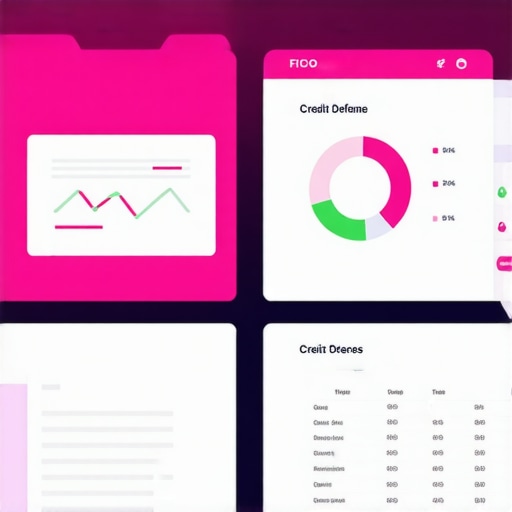
I can’t stress this enough: keep a physical or digital log of every conversation. I learned the hard way that ‘he said, she said’ doesn’t hold up with the credit bureaus. You need the specific log you need to keep when calling bureaus to turn a verbal promise into a permanent fix. This log should include the date, time, representative name, and a summary of what was promised. When you combine this with credit repair secrets for resolving disputes, you move from being a victim of the system to being its manager. I want you to try this right now: open a folder on your computer, label it ‘Credit Defense,’ and drop in your three most recent reports. It takes five minutes but saves fifty hours of stress later. Are you ready to stop being reactive and start being the one in control of your financial reputation?
The Brutal Realities I Discovered After 36 Months of Credit Repair
Looking back, there were three ‘lightbulb moments’ that changed everything for me. First, I realized that the credit bureaus aren’t actually there to help you; they are data brokers, and your credit report is their product. This means you have to be your own advocate. I learned that mastering fico proven strategies to improve your credit dispute score isn’t about knowing a secret code, but about being more organized than the entry-level clerk processing your file.
Second, I discovered that ‘verified’ doesn’t mean ‘correct.’ Just because a bureau says a debt belongs to you doesn’t mean they actually checked the original contract. Finally, I learned that my insurance agent wasn’t being mean when they quoted me high rates; they were just reading a script written by a FICO algorithm. Once I stopped taking it personally and started treating it like a technical glitch to be solved, the stress evaporated.
The Essential Toolkit for Your Financial Command Center
You don’t need expensive software to fix your credit, but you do need a system. I personally rely on these four things: 1. The USPS Certified Mail Receipt: This is your only real proof of a timeline. 2. A Dedicated ‘Dispute Spreadsheet’: Track every date, every account number, and every response. 3. The CFPB Complaint Portal: Use this as your ‘heavy artillery’ when the bureaus stop responding. 4. A High-Quality Scanner: Because blurry photos of your ID will get your dispute rejected instantly. I recommend starting with the ultimate guide to dispute errors and credit building in 2025 to make sure you aren’t using outdated tactics that worked in 2010 but fail today.
Stop Letting the Algorithms Drive Your Life
The journey to a lower insurance premium isn’t always a straight line, but it is one of the most profitable things you can do with your time. When you successfully engage in mastering credit repair, you aren’t just saving fifty bucks a month; you are reclaiming your reputation from a machine that doesn’t know you. You deserve to be judged by your driving, not by a mistake on a credit report from five years ago. Take that first step today—audit your files, find those errors, and send that first letter. Your future self (and your bank account) will thank you. Have you ever found a tiny credit error that had a massive impact on your insurance rates? Let me know in the comments below.