

I still remember the smell of the new car leather in my driveway three years ago. I felt like I’d finally made it. Then I opened my credit monitoring app. My heart sank. My score had plummeted by nearly 35 points before I’d even hit a hundred miles on the odometer. I felt like the floor had dropped out from under me. I’d spent months mastering my FICO score only to see it vanish in a puff of exhaust. It felt personal, like the banks were punishing me for actually using my credit. But here’s the truth: that dip is almost always a temporary hiccup in the grand scheme of your financial journey. Today, we are going to break down why that number dives and how you can ensure it recovers faster than you can finish your first tank of gas.
The Moment the Dealer Hits the Submit Button
When you’re at the dealership, they don’t just talk to one bank. They often shotgun your application to a dozen lenders. Every single one of those is a hard inquiry. I made the classic rookie mistake of letting a dealer run my credit sixteen times in one afternoon because I didn’t know better. I thought it was just part of the process. While FICO generally groups these inquiries together if they happen within a short window, the sheer volume of new credit activity sends a red flag to the algorithms. According to Experian, a new account also lowers your average age of accounts, which is a major factor in your score calculation.
Is this temporary drop actually worth the hassle?
You might be sitting there thinking, “If my score is going to tank, why did I even bother?” It’s a fair question. The reality is that your score is a living, breathing reflection of risk. When you take on a massive new debt, the system sees you as a higher risk—temporarily. You have less room in your budget. But don’t let that fear stop you from checking your credit report before buying next time. Have you ever felt that sinking feeling in your gut after a big purchase turned into a credit nightmare? Drop a comment or reach out; I’d love to hear your story.
Why Your Score Needs Time to Catch Up
The biggest reason for the drop isn’t actually the inquiry; it’s the debt-to-income shift and the newness of the installment loan. When a brand-new loan hits your file, it has a 100% balance-to-loan ratio. You haven’t proven you can pay it back yet. It’s like starting a new job; your boss doesn’t trust you with the keys to the building on day one. You have to earn that trust through consistent, on-time payments. This is where the way car loans are reported differs so much from other types of credit. Within six months of solid payment history, you’ll likely see those points start to return. This is just part of the ultimate guide to credit building that every driver needs to understand before signing on the dotted line.
Stop Applying for New Credit Immediately
You might be tempted to head straight to a furniture store to match your new car’s aesthetic, but you have to resist. Every time you apply for credit, you’re essentially poking the bear. After that car loan hits your file, your score is already in a fragile state. I learned this the hard way: two months after getting my sedan, I applied for a retail card just to save 10% on a couch. That single application, on top of the recent car loan, caused my score to stall for an extra ninety days. You should stop applying for credit after two rejections—or even after one big approval. Think of your credit score like a garden; you just planted a massive tree (the car loan), and the soil needs time to settle before you start digging more holes.
The Double-Payment Trick for Faster FICO Recovery
If you want to see that number climb faster, don’t just wait for the automated monthly withdrawal. Your credit score is heavily influenced by how you manage your balances relative to your reporting dates. One of the most effective moves is to split your monthly payment into two. By paying half every two weeks, you lower the average daily balance that gets reported to the bureaus. This is a core part of mastering credit repair and FICO optimization. When the algorithm sees lower balances more frequently, it signals that you aren’t living on the edge of your budget. This strategy is why many experts suggest why you should pay twice a month for maximum FICO points. It’s a low-effort, high-reward habit that proves you can handle the new debt load without breaking a sweat.
Scour Your Report for Duplicate Dealer Inquiries
Remember that ‘shotgunning’ I mentioned? Sometimes dealers or lenders make clerical errors that result in duplicate entries for the same loan. I once found two identical entries for my car loan on my TransUnion report, which made it look like I had double the debt. This is why you must how to audit your credit report for incorrect account dates and duplicate entries. If you see the same lender listed twice with slightly different names or dates, you need to act. 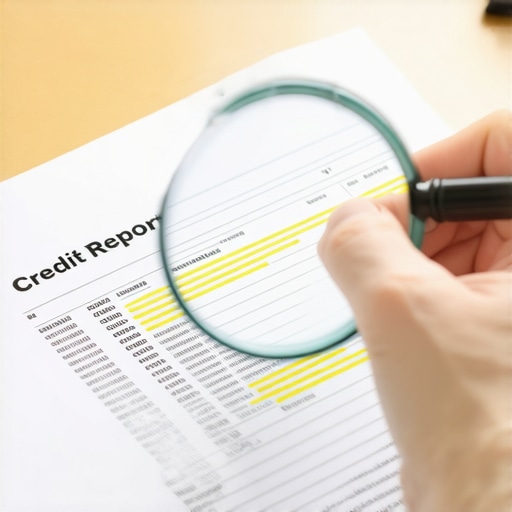 Identifying these specific FICO insights and how dispute errors affect your score is the difference between a three-month recovery and a year-long slump. I spent three weeks fighting a duplicate entry from a local credit union, but once it was removed, my score jumped 22 points in a single update. It’s tedious work, but it’s the most direct way to force the numbers back in your favor.
Watch Your Credit Mix Shift
Your car loan is an installment loan, which is different from your revolving credit cards. While the new debt hurts initially, the ‘mix’ of credit types is actually a positive for your score in the long run. To maximize this, keep your credit card balances below 10%. If you let your card balances creep up while you’re also paying off a new car, your score will stay suppressed. Use the new loan as an excuse to tighten up your other habits. You are essentially teaching the credit bureaus that you are a diversified borrower who can handle different types of debt simultaneously without defaulting. This is a fundamental step in credit repair tips for correcting dispute errors effectively and maintaining a healthy financial profile.Let’s dig deeper into why these numbers behave so erratically after you drive off the lot. Most people assume that the path to a perfect score is paved with zero balances across the board. They think if they pay off every credit card and their car loan early, the algorithm will reward them with a gold star. But in my experience, the opposite is often true. There’s a specific phenomenon called the ‘all zero’ penalty. If every single one of your revolving accounts reports a $0 balance, FICO actually views you as having a lack of recent credit usage, which can cause your score to stagnate or even drop. This is exactly why a zero balance is not always the best for your score. You want to show that you have credit available but are responsible enough to use only a tiny fraction of it. 
The Zero Balance Trap That Stalls Your Progress
While you are managing that new car payment, don’t make the ‘oops’ mistake of ignoring your credit cards entirely. If you stop using them because you’re focused on the car, the lack of activity can be just as damaging as a high balance. I’ve seen clients lose 20 points simply because their oldest card went ‘dormant’ in the eyes of the bureau. This is a subtle nuance in mastering credit repair and FICO optimization. You need a mix of activity—not just debt. Have you ever noticed your score stall even though you were doing everything ‘right’ on paper? Let me know in the comments; I’ve found it’s usually one of these hidden ‘traps.’
Why Paying That Old Collection Might Backfire
Another common myth is that paying off an old collection account will automatically boost your score. Here is the hard truth: on older FICO models, simply paying the debt doesn’t remove the negative ‘mark’ from your history. In some cases, it can even update the ‘last date of activity,’ making an old mistake look brand new to the algorithm. This is why paying off a collection does not always raise your score immediately. Instead of blindly paying, you should focus on negotiation. A ‘pay for delete’ agreement is often the only way to ensure the record is wiped clean. This is a critical component of the ultimate guide to dispute errors and credit building in 2025. Without that written agreement, you might just be throwing money at a number that won’t move. In fact, why a pay for delete agreement is your best settlement tool cannot be overstated when dealing with aggressive third-party collectors.
Is the Timing of Your Dispute Impacting the Outcome?
Sophisticated borrowers often ask if it matters *when* they send their dispute letters. The answer is a resounding yes. According to a landmark FTC study on credit accuracy, approximately 25% of consumers identified errors that affected their scores, yet many fail to resolve them because they use generic, automated templates. You must how to audit your credit report for incorrect account dates personally. Relying on software is the ‘oops’ factor of the digital age; the problem with using credit repair software for complex errors is that it often triggers ‘frivolous’ flags from bureau AI. To get real results, you sometimes have to how to force a manual review when the bureau robots say no. This requires sending physical mail with specific evidence that a machine cannot simply dismiss. By taking these advanced steps, you aren’t just waiting for your car loan to ‘settle’—you are actively forcing the system to recognize your true creditworthiness.I’ve spent thousands of hours staring at screens, but when I really need to get things done, I go analog. While most people are obsessed with the flashy graphs on free credit monitoring apps, I’ve found those can be a distraction from the data that actually moves the needle. I personally recommend using the MyFICO platform because it gives you access to the specific versions of your score that lenders actually use, such as FICO 8 or the newer 10T models. This is vital for mastering credit repair and FICO optimization. However, even with the best app, you can’t see everything. That is why why you should always request a paper credit report once a year. When you have the physical pages in front of you, you’ll notice things a screen simply glosses over—like a 30-day late payment from five years ago that is suddenly listed as happening last month.
Ditch the Digital Dashboards for a Deep Clean
The ‘oops’ of the modern credit era is thinking a green bar on an app means your file is clean. I’ve helped people who had 750 scores on their free apps get denied for loans because their actual FICO report had a lingering error they couldn’t see. By using how to monitor your credit for small changes that matter, you shift from being a spectator to being an auditor. I use a simple red pen to circle every single date on my paper reports. If a dealer inquiry from my car loan shows up on my TransUnion report but not Experian, I want to know why. 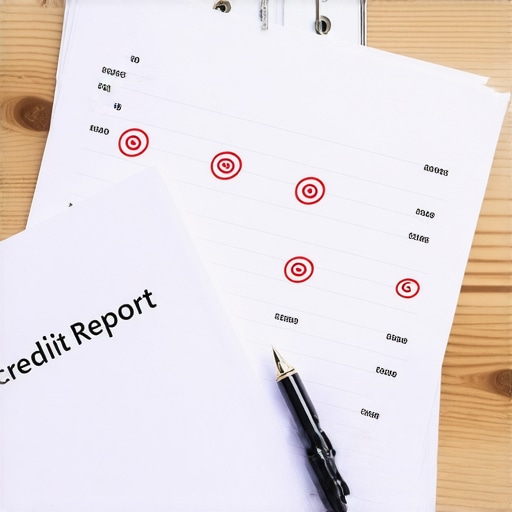 This level of detail is how you achieve effective dispute error resolution to boost your credit score in 2025.
How Do I Keep My Score High Over the Long Term?
The secret isn’t a one-time fix; it’s a maintenance schedule. I treat my credit like I treat my car’s oil changes. Every quarter, I log into my accounts and verify my limits. If a card issuer lowers your limit without telling you, your utilization spikes and your score drops. This is why the ultimate guide to dispute errors and credit building in 2025 emphasizes consistent auditing. According to Section 611 of the Fair Credit Reporting Act (FCRA), the bureaus have a strict legal obligation to conduct a reasonable reinvestigation into any data point you question as inaccurate. If you don’t stay on top of them, they won’t stay on top of your data.
The Future of Credit Moves Beyond Your Credit Cards
Looking ahead, we are seeing a massive shift toward permissioned data. This means you can now use your utility bills and even your Netflix subscription to pad your file. I predict that in the next few years, the strategy to build credit using just your rent payments will become the standard for anyone starting from scratch. We are moving away from a system that only punishes debt and toward one that rewards total financial responsibility. To stay ahead, start keeping the specific log you need to keep when calling bureaus right now. If you want to see a real change, pick one account on your report today and verify the ‘date of last activity.’ If it is even one day off, you have a golden opportunity to challenge it and boost your score.
Why I Stopped Stressing Over Monthly Fluctuations
After years of chasing the perfect score, I realized that the numbers on the screen aren’t as important as the habits behind them. The biggest lesson I learned is that a 35-point drop isn’t a failure—it’s a sign of growth. You’re leveraging your credit to improve your life. Another lightbulb moment was realizing why a zero balance is not always the best for your score; keeping a tiny bit of activity keeps the engine running. Finally, I learned that mastering my FICO score meant looking at the data once a month, not once a day. Obsessing over every tick only leads to burnout.
The Three Tools I Use to Keep My FICO in Check
I don’t rely on luck or flashy commercials. First, I always go back to basics and why you should always request a paper credit report—it’s the only way to see the hidden errors. #IMAGE_PLACEHOLDER_E# Second, I keep a physical specific log you need to keep when calling bureaus. It’s my paper trail for every dispute. Third, I use the MyFICO app to see my real mortgage and auto-specific scores. These tools are the foundation of the credit repair blueprint for fixing errors and staying organized.
Your Journey Toward Financial Freedom Starts Now
Driving your new car should be a moment of pride, not anxiety. By understanding how the system works, you’ve already won half the battle. This is the heart of the ultimate guide to dispute errors and credit building in 2025: taking control of your narrative. Don’t let a temporary dip stop your momentum. Stay consistent, keep auditing, and watch your score soar past its previous peak. Have you ever noticed a weird jump or drop in your score after a big purchase that didn’t make sense at the time? Let me know in the comments below!