

I remember sitting at my kitchen table, staring at a brand-new job offer letter with a salary that made my jaw drop. I was finally making six figures. I honestly thought that the very next day, my credit score would magically shoot past 800 as if the credit bureaus were throwing me a celebratory parade. Instead, when I applied for a loan a month later, my application was rejected. My score was still stuck in the mid-600s. I was absolutely devastated, confused, and angry. That was my first major wake-up call: your paycheck has absolutely zero direct impact on those three digits that dictate your financial life. Today, we are going to debunk this massive misconception once and for all so you can stop chasing a higher salary to fix your credit and start focusing on what actually moves the needle.
The Day My Six-Figure Salary Met a Reality Check
I used to believe that banks just looked at how much money I made to decide if I was trustworthy. That mistake cost me years of progress. The hard truth is that credit bureaus like Equifax, Experian, and TransUnion do not even have a line on their credit reports for your annual income. You could make a million dollars a year or ten thousand; your FICO score doesn’t care. When I realized this, I began digging into the actual mechanics of credit scoring, which led me to understand that why a high income does not guarantee a high credit score is tied directly to your financial behaviors, not your earnings. I had to learn how to actively manage my debt-to-limit ratios and dispute errors myself to see any real change. According to the Consumer Financial Protection Bureau, credit scores are purely calculated from the data in your credit report, which focuses entirely on debt management and payment history rather than wealth.
Is a high paycheck actually worth the hype for your credit?
No, it really isn’t. The belief that income dictates creditworthiness is a comforting myth, but relying on it will keep you stuck in a cycle of bad financial health. It is entirely possible to have a massive salary and a terrible credit score if you have late payments or high utilization. If you want to see real improvement, you must shift your focus to correcting reporting mistakes and managing your limits. If you’ve been struggling to get your score to budge despite earning more, you aren’t alone. Have you ever been shocked by a low credit score despite bringing in a solid income? Let me know in the comments below. If you are ready to stop guessing, it is time to look into correcting credit errors and boosting FICO parameters directly.
Step-by-Step Actions to Rebuild and Repair Your Score
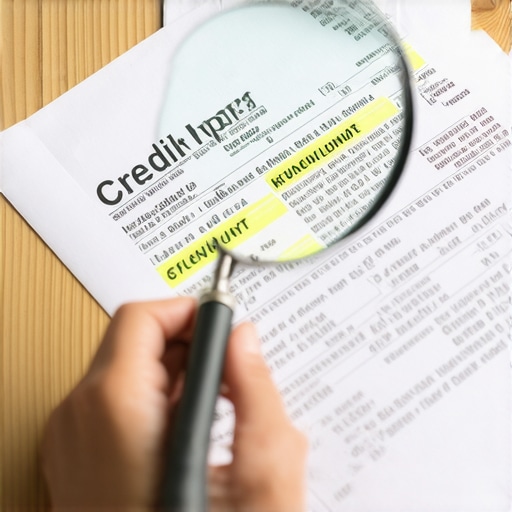
When my credit score collapsed, I realized I couldn’t just throw money at the problem. I had to treat my credit file like a messy, unorganized filing cabinet that needed a complete system overhaul. The very first step to fixing this cabinet is getting your hands on your official credit records. Do not rely on third-party mobile apps that give you estimated scores, because why your credit karma score is often wrong comes down to the scoring models they use. You need your raw reports directly from the three major bureaus. I recommend doing this on paper because it makes spotting discrepancies much easier.
Once you have your physical documents in hand, grab a highlighter. You want to scan for minor details like misspelled names, outdated addresses, or unfamiliar employer listings. Getting rid of these outdated details is actually a strategic move. When you take the time to how to increase your credit score by removing old addresses, you delete the old personal data that debt collectors use to link historical, incorrect negative items to your current profile.
Why Your Debt-to-Limit Ratio Moves the Needle the Fastest
If you want to see your score move quickly, you have to understand credit utilization. Think of your credit limit as a physical bucket: if you fill it to the brim, the bank views you as a drowning risk. I learned this lesson the hard way when I left a high balance on a single card, even though I had plenty of room on others. This is why why your debt-to-limit ratio is the fastest way to change your score; keeping your individual card balances low shows lenders you aren’t desperate for cash. Aim to keep your utilization under 10% on each individual card rather than just looking at your total aggregate limit.
How to Send Disputes That Bureaus Cannot Ignore
When you find an actual error, do not use the automated online dispute buttons on the bureau websites. Doing so often forces you to waive your right to a full investigation under the Fair Credit Reporting Act. Instead, write a physical dispute letter. I remember drafting my first letter with shaky hands, worried it would get ignored. I compiled my evidence, including bank statements, and mailed it certified mail. To make your case bulletproof, you must provide clear proof, which is why why your bank statement is the best weapon in a dispute 2. It acts as an undeniable, third-party paper trail that shows exactly when payments were made and received, leaving the bureau with no choice but to correct the reporting mistake.
The Double-Payment Strategy for Maximum FICO Points
Another highly effective technique I started using is shifting the timing of my bill payments. Most people pay their credit card bill once a month on the due date. However, your credit card company reports your balance to the bureaus on your statement closing date, which is usually a few weeks before your due date. If you pay your balance on the due date, a high balance has already been reported to FICO. To counter this, understand why you should pay twice a month for maximum fico points. By making one payment before the statement closing date and a second before the due date, you trick the system into reporting a tiny balance, instantly optimizing your utilization ratio.
Let’s dig deeper into the mechanics of credit scoring. Most financial influencers tell you that disputing every single negative item at once is the fastest way to scrub your profile. In my experience, this blanket approach is a massive mistake that actually hurts your credibility. When you send a massive list of twenty disputed accounts on a single page, the credit bureaus will immediately tag your correspondence as automated spam or flag it as frivolous, stalling your progress entirely. If you want to make actual headway, you need to understand why you should not dispute every negative item at once. Credibility is your greatest asset during a credit repair journey, and trying to rush the system with bulk disputes is a surefire way to get ignored.
How do you handle a credit bureau that refuses to investigate your claims?
When a credit bureau stamps your dispute as frivolous, they are essentially trying to call your bluff. This is a common defensive tactic used to lower their operating costs. According to research by the Consumer Financial Protection Bureau, the bureaus rely heavily on automated systems to categorize incoming mail. If you find yourself in this situation, do not panic and do not give up. Instead, learn how to handle a bureau that says your dispute is frivolous by responding with concrete, physical evidence. You must bypass their automated scanners by mailing customized letters containing highly specific details, such as physical bank statements and certified mail receipts, which legally obligates them to reopen the file.
The absolute worst mistake you can make during this process is falling for the traps laid out by quick-fix credit agencies. Many desperate consumers turn to automated platforms or template-heavy programs, but the truth about credit repair software and diy methods is that generic disputes rarely hold up under scrutiny. Even worse, if you try to clean up your history by claiming legitimate debts are fraudulent, you risk committing credit fraud yourself. You should why you should never dispute a correct account just to hide it because it destroys your leverage when you have to fight actual reporting errors later on.

Building a bulletproof profile requires a strategic, step-by-step approach to managing and correcting your record rather than using shortcuts. By learning how to audit your reports and structure your dispute letters manually, you gain total control over your financial narrative. Have you ever fallen into this trap of sending bulk disputes or relying on automated templates only to get rejected? Let me know in the comments below, and let’s discuss how to fix it.
My Personal Toolkit for Keeping Your Credit Clean
Once you scrub the major errors from your report, the real work shifts from active repair to automated maintenance. I don’t use expensive, hands-off agencies anymore because I learned that maintaining a pristine credit report requires a personalized touch. My daily routine relies on a few specific tools. I use a physical, expandable filing folder categorized by credit bureau to keep every single piece of certified mail correspondence and paper report organized. For digital tracking, I bypass estimated scores entirely and use direct access to the three credit bureaus. To stay on top of daily activity without paying for premium subscriptions, I set up individual alerts directly through my bank portals, focusing on how to monitor your credit for small changes that matter. This manual approach keeps me in control and ensures no surprise collections sneak onto my profile.
How do I maintain an elite FICO score over time?
Maintaining a score above 800 isn’t about paying interest or carrying balances; it is about building a predictable, boring routine. The absolute foundation of this routine is a zero-tolerance policy for late payments. I recommend setting up automatic payments for the minimum amount due on every account to ensure you never miss a date, even if you plan to pay the full balance manually later. Additionally, you should consistently review your files. A major part of keeping your history healthy is avoiding inactivity. Many people don’t realize that their score can drop simply because they stop using their accounts, which is why understanding why your FICO score takes a hit when you stop using credit cards is so critical. Keep your oldest accounts active by placing one small, recurring monthly subscription on them and setting the card to autopay.
Where Credit Reporting and FICO Systems Are Heading next
The landscape of credit scoring is undergoing a massive shift. Within the next few years, traditional scoring systems are going to rely much more heavily on real-time cash flow data and trended credit behavior rather than simple monthly snapshots. We are already seeing this with the gradual rollout of newer FICO models. This means that historical habits—such as how quickly you pay down debt rather than just whether you paid it on time—will dictate your borrowing power. If you want to future-proof your financial profile, you must start implementing highly structured, long-term credit building strategies today. By mastering the art of manual dispute resolution and utilizing strict payment timing, you place yourself ahead of these upcoming algorithmic changes. For a comprehensive roadmap to getting ahead of these shifts, I highly recommend reading the ultimate guide to dispute errors and credit building in 2025 to secure your financial standing.
According to the National Consumer Law Center, federal regulators are continually updating guidelines regarding how credit bureaus must handle consumer-submitted evidence, making physical documentation more powerful than ever. If you are ready to take action and secure your financial future, I challenge you to try my double-payment strategy this month. Split your usual credit card payment into two equal parts and pay them on your statement closing date and due date, then watch how your utilization optimizes. Let me know in the comments how your score responds to this simple shift.
What Experts Won’t Tell You About FICO and System Workarounds
The biggest secret in the financial industry is that the bureaus rely heavily on automated systems to process disputes in bulk. If you want to successfully navigate this system, you must learn to look like an individual, not a software script. This means writing your letters by hand or using a typewriter, rather than sending printed templates that automated scanners can easily categorize as spam. Additionally, never underestimate the power of removing old personal data before disputing an account. Deleting outdated phone numbers and previous employer records makes it significantly harder for electronic validation systems to link old, erroneous debts to your active profile.
My Essential Toolkit for Keeping Your Credit Clean
You do not need to spend thousands of dollars on expensive repair firms when you can manage the entire process yourself with a few key resources. First, use direct access to the bureau sites to pull your reports, rather than relying on third-party estimates. Second, maintain a physical accordion file folder organized specifically for tracking certified mail receipts and correspondence. Lastly, read through mastering credit repair dispute errors and fico optimization to gain a solid grasp of how federal consumer laws protect you during this process. Relying on your own documentation is always safer than trusting automated platforms.
The Future of Your Financial Profile Starts Today
Taking control of your credit profile is one of the most empowering financial moves you can make. The credit system can feel frustrating, but understanding how to spot errors, structure physical letters, and leverage strategic payment timing gives you an incredible advantage. Real, long-term credit building isn’t about how much money you earn; it is about how carefully you protect your record. Have you ever tried disputing an error only to have the bureau send back a generic template response? Let me know in the comments below, and let’s troubleshoot your strategy together.