

I remember sitting in that cramped, fluorescent-lit office of a local credit union, clutching a printout of my ‘decent’ credit report, only to be told I didn’t qualify for the best interest rates. I was floored. I’d never missed a single payment in my life! But there it was—a single credit card I’d pushed right up to its $2,000 limit was dragging my entire FICO profile into the mud. That was my lightbulb moment: it wasn’t about how much I owed, it was about how much of my credit limit I was gobbling up. Today, we are going to fix that. I’m showing you exactly why your utilization matters more than you think and how to flip the script on the bureaus.
Stop Obsessing Over Your Total Debt
I used to think that as long as I eventually paid my bills, the banks would love me. I was wrong. The reality is that the credit scoring models are obsessed with the gap between what you could spend and what you actually spent. This is why your credit utilization ratio is more important than your balance in the eyes of a computer algorithm. When you max out a card, even if you pay it off the next day, you look like a risk. It tells the bank you might be living beyond your means. Early on, I made the mistake of closing an old card I didn’t use anymore, thinking I was tidying up my finances. Instead, my score plummeted because I accidentally lowered my total available credit, making my existing debt look much larger by comparison.
Is This Just a Clever Way for Banks to Win?
You might feel like the system is rigged, and honestly, it can feel that way when your score fluctuates after a large purchase even if you have the cash to cover it. But it’s actually about predictable behavior. FICO reports that consumers in the ‘High Achiever’ category—those with scores above 800—typically use an average of only 7% of their available credit. That is a massive difference from the 30% ‘rule of thumb’ most people talk about. Have you ever been blindsided by a score drop even though you didn’t miss a payment? Leave a comment and let me know—I’ve definitely been there. The good news is that we can manipulate these numbers in our favor. Understanding the impact of a high limit card on your credit utilization can actually give you a buffer that protects your score from everyday spending. One simple trick I started using was to pay twice a month for maximum FICO points, ensuring that the balance reported to the bureaus was always at its lowest point. [image_placeholder_1]
How to Turn Your Limits Into a Secret Weapon
Once you stop seeing your credit limit as a spending goal and start seeing it as a defensive shield, everything changes. It’s not just about spending less; it’s about strategically showing the bureaus that you have access to wealth but the discipline not to touch it. In the next section, we’ll dive into the specific moves you can make this week to start seeing those numbers climb.The first move I want you to make is the ‘AZEO’ method—All Zero Except One. It sounds counterintuitive, but why a zero balance is not always the best for your score comes down to the algorithm’s thirst for data. If every single card shows a zero balance, the computer thinks you aren’t using credit at all, which can actually penalize you. I found this out the hard way when I paid off every cent of my debt right before a mortgage application, only to watch my score dip because of ‘lack of recent revolving activity.’ Now, I leave a tiny $15 balance on my primary card and let the others rest at zero. It’s like a heartbeat monitor for your finances; it shows the bureaus you are still active and responsible without being a risk.
Audit Your Dates Like a Forensic Accountant
To really move the needle, you have to look for the cracks in the bureaus’ armor. Grab a highlighter and learn how to audit your credit report for incorrect account dates as your primary weekend mission. Look closely at the ‘Date of Last Activity’ or the ‘Date Opened.’ If Bank A says you opened an account on June 5th but Bank B says June 7th, you have found a reporting error. These small discrepancies are the bread and butter of understanding credit errors a step-by-step guide to fico improvement because they give you legal standing to demand a full correction. I once fought for three months over a ‘Date of First Delinquency’ that was off by just thirty days. Once it was corrected, my score jumped 40 points overnight because the negative mark was suddenly older in the eyes of the scoring model.
Stop the Robots with Physical Paperwork
Most people make the mistake of clicking the ‘dispute’ button on a mobile app. Don’t fall for that trap. That button often forces you to waive your right to a full investigation or a manual review. Instead, you need the one document that forces a bureau manual review: a physical, typed letter sent via certified mail. When you send physical mail, a human has to process the intake, which breaks the automated loop that keeps your errors stuck in place. 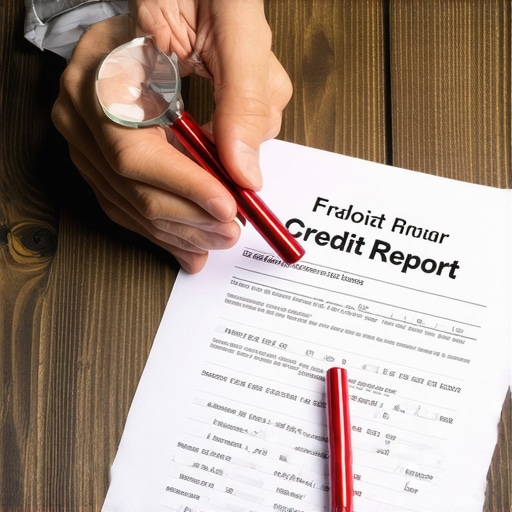
Boost Your Buffer Without Spending a Dime
If your history is clean but your utilization is still high, call your bank today. Learning how to get a higher credit limit on your oldest card is the fastest way to dilute your debt without paying a single dollar toward your principal. I remember calling my first card issuer—the one I’d had since my college days—and asking for a $5,000 increase. I didn’t want to spend more; I just wanted my $2,000 balance to represent 20% of my limit instead of 40%. They approved it in five minutes, and my FICO score reacted within the same billing cycle. It’s about creating a bigger safety net so your daily coffee run doesn’t look like a financial crisis to the bureaus.
Everyone tells you that paying off your old collections is the fastest way to a clean slate, but in my experience, doing that without a plan can be a 40-point disaster. This is the biggest contrarian truth in the industry: why paying off a collection does not always raise your score comes down to the ‘Date of Last Activity.’ When you send money to an old, stagnant debt, you inadvertently refresh that date. Suddenly, a five-year-old mistake looks like a brand-new default to the FICO algorithm. I’ve seen people lose their mortgage pre-approval because they thought they were doing the right thing by ‘cleaning up’ old bills. Before you even think about sending a check, you must understand why you should never pay a collection before getting a written agreement for a pay-for-delete. Without that paper trail, you are just handing over cash to make your credit report look more recent and more damaging.
Can You Really Delete Debt That Is Decades Old?
The short answer is yes, but only if you know how to spot the ‘zombie’ tactics. Debt collectors often buy portfolios for pennies on the dollar and try to re-age the debt to keep it on your report longer than the legal seven-year limit. You need to know how to verify a debt that is more than seven years old to ensure you aren’t being bullied by an expired claim. I once helped a client who was being chased for a 12-year-old credit card bill. By identifying it as ‘zombie debt,’ we were able to stop the reporting entirely. This is why how to identify a zombie debt from the early stages is a vital skill for anyone serious about FICO optimization. Have you ever fallen into this trap of paying an old debt only to see your score drop? Let me know in the comments—I want to hear how you handled the collectors.
The Software Trap That Gets Your Letters Ignored
Here is the ‘oops’ factor most people miss: the bureaus use sophisticated AI to scan incoming mail. If you use generic templates from a popular app, the robots will flag your dispute as ‘frivolous’ before a human ever sees it. This is the problem with using credit repair software for complex errors; it lacks the unique, personal touch that forces a manual investigation. According to the Consumer Financial Protection Bureau (CFPB), bureaus are required to investigate legitimate disputes, but they use automated systems like e-OSCAR to bypass this when letters look mass-produced. To break that cycle, you need the evidence log that forces a bureau manual review. It’s about being more human than the machine. 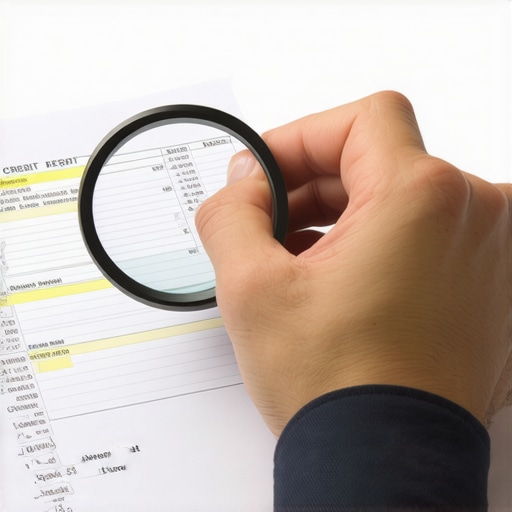
Negotiate Like a Pro or Stay Stuck
If the debt is valid and within the statute of limitations, your only real move is a strategic settlement. But don’t just settle for a lower amount; you must learn how to negotiate a settlement that includes a credit update. You want the creditor to report the account as ‘Paid as Agreed’ or, ideally, remove the trade line entirely. If you don’t get this in writing, the collection will simply sit on your report as ‘Paid Collection,’ which provides zero boost to most FICO models. This nuanced approach to understanding credit errors a step-by-step guide to fico improvement is what separates the high achievers from those who stay stuck in the 600s. You have the leverage; you just have to know when to pull the trigger.
Negotiation is just the first half of the battle; the second half is making sure those changes actually stick. I’ve seen too many people win a dispute only to have the error creep back onto their report because they didn’t have a paper trail. This is where you have to get clinical. I don’t trust my memory, and neither should you. You need to maintain the specific log you need to keep when calling bureaus to ensure every name, date, and reference number is documented. If a creditor fails to update their records, that log becomes your primary evidence in a lawsuit or a secondary dispute.
The Spreadsheet That Saved My Sanity
When it comes to tools, I’m incredibly picky. Most people download every free ‘credit karma’ clone they can find, but I think that’s a massive mistake. Beyond the data privacy concerns, there is a legitimate risk of using credit repair apps for identity theft if they aren’t properly vetted. I prefer to go straight to the source. I use a dedicated spreadsheet to track my ‘Trended Data’—which is the direction your balances are moving over time. FICO’s technical documentation on the FICO Score 10T model highlights that ‘trended data’ looks back 24 months to see if you are paying down debt or accumulating it. This is why learning how to monitor your credit for small changes that matter is the difference between a static score and one that consistently climbs. 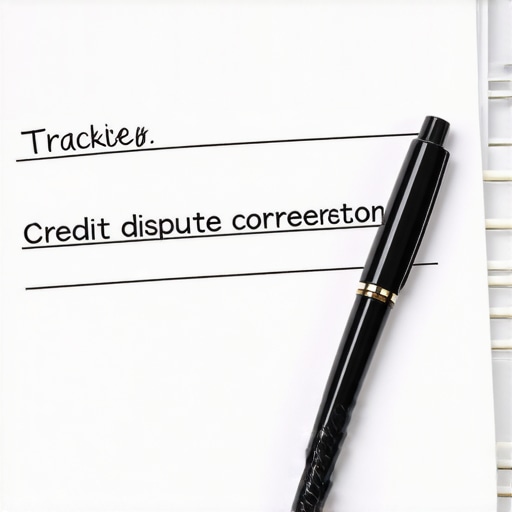
How do I stop my score from backsliding?
It’s about creating a ‘credit hygiene’ routine. Once a month—I do it on the first Sunday—I pull my reports. I’m not just looking at the score; I’m looking for new inquiries or ‘soft pulls’ that shouldn’t be there. If you want to scale this, you have to look at fico insights how dispute errors affect your score and what to do when the bureaus play games with your data. This monthly audit ensures that even if a dispute was ‘fixed,’ it stays fixed.
The Robots are Watching Your Trends Now
The future of credit is moving toward real-time reporting and behavioral analytics. Within the next three years, I predict we will see scores that update with every transaction, not just once a month, as lenders seek to mitigate risk even faster. To stay ahead, you need to be proactive, not reactive. My challenge to you: Go grab a physical notebook or open a new spreadsheet right now and log your three current balances and their reporting dates. That’s your baseline. If you want to force the bureau’s hand on a stagnant error, don’t forget to use the evidence log that forces a bureau manual review. Start your log today; don’t wait for another rejection letter to prove you need a system.
The Brutal Truth I Learned After My First Credit Denial
When I first started this journey, I thought I could outsmart the system with a few clever clicks. I was wrong. The biggest lesson I’ve learned is that credit repair is a marathon, not a sprint. If you rush it, you end up making mistakes that can haunt your report for years. I realized that the bureaus benefit from your silence and your reliance on automated apps. By switching to physical letters and meticulous tracking, I stopped being a victim of their algorithms.
Another hard truth? Your score is never ‘finished.’ It’s a living, breathing reflection of your most recent habits. Even if you have a perfect history, a sudden change in how you manage your limits can trigger a drop. This is why credit repair secrets aren’t about magic tricks; they are about understanding the rules of a game that most people don’t even realize they are playing.
The Toolkit That Keeps My Credit Health in Check
I don’t rely on flashy apps with heavy marketing budgets. Instead, I stick to the essentials that provide the most transparency and legal protection. First, I always recommend that you request a paper credit report directly from the big three bureaus. Seeing your data on a physical page helps you spot errors that digital interfaces often hide.
Second, I rely heavily on certified mail receipts. In the world of FICO optimization, if you can’t prove they received your letter, it doesn’t exist. Finally, stay skeptical of anyone promising overnight results. I’ve learned the truth about credit repair guarantees—they are often just marketing fluff. Your best tool is your own consistency and your willingness to follow up every 30 days until the job is done.
Take Back Control of Your Financial Narrative
You have the power to change how lenders see you. It starts with one letter, one phone call, and one small adjustment to your spending habits. Credit building isn’t just about getting a loan; it’s about the freedom to choose your own path without being held back by a number. Don’t let a past version of yourself dictate your future. You’ve got the roadmap now—all you have to do is keep driving. Have you ever felt like you were doing everything right, only to have a dispute rejected? Let me know in the comments below, and let’s figure out your next move together.