

I’ll never forget the cold sweat I broke into when I saw ‘Regional Assets Corp’ listed on my Experian file. I hadn’t lived in that region for a decade, and I certainly didn’t owe them a dime. It’s a gut-punch, isn’t it? Seeing a name you don’t recognize sitting there like a stain on your hard-earned FICO score. If you’re dealing with this right now, take a breath. You aren’t crazy, and you certainly aren’t alone. I spent months banging my head against the wall trying to prove a negative before I finally cracked the code on what actually makes the bureaus move. Today, I’m going to share the exact trail of breadcrumbs you need to lay down to force these companies to fix their records. We aren’t just sending a ‘this isn’t mine’ letter; we are building an airtight case that they cannot ignore.
Stop Letting Phantom Creditors Sabotage Your Financial Future
I made a massive mistake early on by assuming the credit bureaus would actually do their own homework. I sent a lazy dispute saying I didn’t recognize the name and waited. It was a total flop. They just ‘verified’ the account using the same automated system that created the error in the first place. You have to realize that when a creditor sells your debt, the name often morphs into something unrecognizable. Success starts with verifying a debt that keeps changing owners and names before you even think about hitting that dispute button. The Consumer Financial Protection Bureau reports that credit reporting errors are the most common complaint they receive, often involving accounts the consumer simply doesn’t recognize. This isn’t a glitch in the system; for many, it is the system. To win, you need to show the bureau that the ‘creditor’ listed has no legal link to you or the original debt.
Is This Fight Actually Worth the Headache?
You might be wondering if it’s easier to just ignore it, especially if the balance is small. But a wrong name is a red flag for a split credit file or potential identity theft. Have you ever noticed a name on your report that looked like total gibberish? If you don’t kill the weed at the root, it just keeps growing back under a new name. By using the paperwork that proves a creditor failed to update your status, you aren’t just complaining; you’re providing evidence. It’s about being more organized than the computer on the other end. We are going to look at the specific documents, like original contracts and billing statements, that act as your shield. Let’s get into the nitty-gritty of what you need to gather right now to stop the ‘verified’ cycle and finally see that score climb back up.
Force the Bureau to Show Their Work
When you see a name you don’t recognize on your credit file, your first instinct is likely to tell the bureau, “That’s not mine.” The problem is that the bureau’s automated system only checks if the name and social security number match what the creditor sent. It’s like a bouncer checking an ID; as long as the numbers look right, they let the debt into your file regardless of its legitimacy. To break this cycle, you must dispute errors on your credit report by demanding the underlying evidence. Don’t just ask them to delete it; ask them to provide the original signed contract or the specific chain of title for that debt. Most of the time, especially with phantom debt entities, they simply do not have the documentation required to prove the debt belongs to you.
Beat the Automated Verification Robots
I learned the hard way that the e-OSCAR system—the automated software the bureaus use—is designed for speed, not accuracy. I once spent four months fighting a $400 collection that I’d already paid in full. Every time I disputed it online, it came back “verified” within 48 hours because the software only checks data points, not the truth. The breakthrough happened when I stopped using the online portal and started sending physical mail. You have to force a manual review when the bureau robots say no. By including a physical copy of your ID and a recent utility bill, you force a human being to open an envelope and actually look at your evidence. This is how you shift from being a data point to a person with a grievance that must be addressed.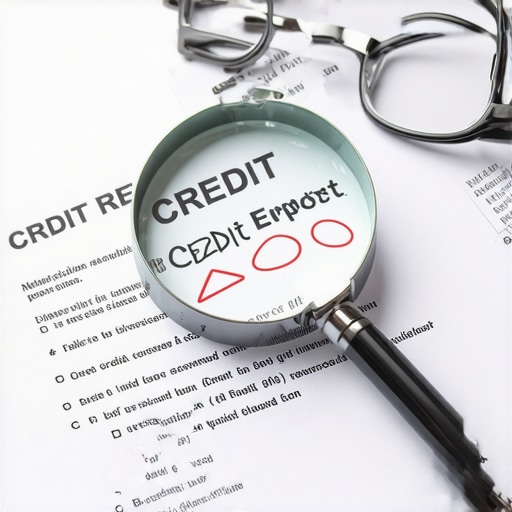
Audit the Dates to Find the Hidden Flaws
If the creditor name is wrong, there is a very high chance the dates are wrong too. Think of your credit report like a timeline; if one event is out of order, the entire story falls apart in court. You need to audit your credit report for incorrect account dates like the “Date of Last Activity” or the “Date Opened.” If a debt collector bought your old debt last year, they often incorrectly list the “Date Opened” as the day they purchased the account, not the day you originally signed the contract. This is called re-aging, and it is a violation of federal law. It can turn a seven-year-old mistake into a brand-new anchor that drags down your FICO score for years longer than it should.
Send the One Letter That Actually Matters
When a creditor or collector realizes you know the law, their tone changes instantly. Instead of a generic dispute, you should focus on the one letter that stops aggressive debt collection and forces them to validate the entry. I used this exact strategy for a family member who had a “phantom” utility bill from three states away. We didn’t just ask them to stop calling; we demanded proof of residency for the time the bill was generated. When they couldn’t produce a signed lease or a witness with her name on it, the entry vanished within two weeks. Success isn’t about being loud; it’s about being more documented than the company trying to take your money. Using the paperwork that proves a creditor failed to update your status is your ultimate leverage to fix your financial standing and protect your future score.Let’s dig deeper into a nuance that almost everyone misses: the ‘Deletion Paradox.’ You might think that wiping a negative mark off your report is always a victory, but I’ve seen people lose 30 points overnight by ‘fixing’ an error. How? Because that old, incorrect account was actually providing your file with much-needed ‘age.’ When you delete an account that has been there for ten years—even if it’s a collection—you might inadvertently shorten your credit history. According to data from the Consumer Federation of America, the length of credit history accounts for roughly 15% of your FICO score. If you haven’t mastered credit repair tips correcting dispute errors effectively, you might be cutting off your nose to spite your face. This is where advanced strategy beats simple ‘cleaning.’
Why did my score tank after I settled that old debt?
This is the question that haunts my inbox most frequently. People finally scrape together the cash to settle a ‘phantom’ debt, thinking it will clear their name and boost their standing. Instead, the score stays flat or, worse, drops. This happens because why paying off a collection does not always raise your score is a fundamental reality of older FICO models still used by many lenders. Unless you secure a pay-for-delete agreement, the ‘paid’ status just updates the ‘last active’ date in the eyes of the computer, making an old mistake look like a brand-new delinquency. It’s the primary reason why you should never pay a collection before getting a written agreement. Have you ever fallen into this trap? Let me know in the comments.
Don’t Fall for the Dispute Everything Trap
Another major mistake is the ‘shotgun’ approach. You’ll see ‘credit repair sweeps’ advertised everywhere, promising to dispute twenty items at once using automated templates. This is the fastest way to get your file flagged as suspicious. If you send a barrage of disputes, the bureau will likely send back a generic letter claiming your request is ‘frivolous’ or ‘processed by a third party.’ You need to know how to handle a bureau that says your dispute is frivolous rather than just resending the same letter with a louder tone. Real mastering credit repair dispute errors and fico optimization requires surgical precision, focusing on the most damaging errors first to build a pattern of successful corrections. Avoid the truth about credit repair sweeps and why they fail by being methodical. This protects your credibility and ensures your effective dispute error resolution to boost your credit score in 2025 actually yields results across all three bureaus. Remember, the reason your fico score differs between experian and transunion often comes down to which errors you’ve successfully purged from one report but ignored on the other.I’ve tried every flashy portal and automated credit repair app on the market, but nothing beats my old-school spiral notebook and a set of physical documents. If you want to scale your score and keep it there, you need to understand the danger of using credit repair software without a plan. These apps often miss the subtle nuances that a human eye catches, like a misplaced ‘Compliance Condition Code’ hidden in the raw data. I personally swear by why you should always request a paper credit report directly from the bureaus. Digital versions are often ‘summarized’ for consumer readability, which means you might miss the tiny errors in the Metro 2 reporting format—the technical documentation standard used by all three bureaus to exchange data. If the debt-level indicators in that code are wrong, your app won’t flag it, but a line-by-line manual audit will. #IMAGE_PLACE_HOLDER_D#
How do I keep my credit healthy over the long haul?
Maintenance is not a ‘one and done’ mission; it is a routine hygiene practice. You have to learn how to monitor your credit for small changes that matter without becoming obsessed with daily fluctuations. I check my primary accounts once a week for ‘phantom’ charges and keep the specific log you need to keep when calling bureaus right by my desk. This log isn’t just for active disputes; it’s for tracking every interaction with a creditor to prevent future errors before they hit the bureau. Also, I’ve made a religion out of the habit that prevents identity theft on your credit file: I keep my reports frozen 24/7, only ‘thawing’ them when I am actively applying for a new line of credit. This prevents unauthorized inquiries from becoming permanent scars on your FICO history.
Brace Yourself for the New Era of Trended Data
We are moving away from snapshots and toward stories. The credit industry is shifting toward FICO 10T, which looks at ‘trended data’—your financial behavior over the last 24 months rather than just today’s balance. This means consistency is now more valuable than a one-time repair. If you want to prepare for this future, you should look into build credit fast expert tips for correcting credit errors and boosting fico. My top advanced tip for the serious climber is to start why you should pay twice a month for maximum fico points. By paying half of your balance before the statement closing date and the other half after, you lower your reported utilization mid-cycle. This simple shift makes you look like a low-risk superstar to the new algorithms and can prevent the sudden score drops that happen when you make a large purchase. Go ahead and set up an automatic half-payment for your next cycle today—it’s the fastest way to signal to the bureaus that you are in total control of your revolving debt.
Hard Truths I Discovered While Fighting These Bureaus
Looking back at my own struggle with credit reporting mistakes, the biggest ‘aha’ moment was realizing that the system isn’t designed to find the truth; it’s designed to process data. I used to think a ‘verified’ response meant the bureau had actually seen my proof and disagreed. In reality, it just meant their computer had a successful handshake with the collector’s computer. I learned that persistence is actually a metric they track. If you give up after one letter, they win. But if you continue to provide specific evidence, you eventually cross a threshold where a human has to step in. I also realized that credit repair is less about ‘fixing’ and more about ‘auditing.’ You are the only person with the full story of your financial life, and you have to be the one to tell it. #IMAGE_PLACEHOLDER_A#
The Handful of Tools I Swear By Every Day
I don’t use flashy apps or expensive services anymore. Instead, I rely on a few high-value resources that offer real leverage. First, the Consumer Financial Protection Bureau (CFPB) complaint portal is your best friend when a bureau ignores your evidence. Second, I never send anything without Certified Mail with a return receipt. That physical green card is more powerful than a hundred emails. For those looking for a deep dive into the technical side, I highly recommend checking out the ultimate guide to dispute errors and credit building in 2025 for a roadmap on the latest reporting standards. I also constantly refer back to fico insights how dispute errors affect your score and what to do to ensure my actions aren’t accidentally hurting my score while I’m trying to help it.
Your Path to Financial Freedom Starts Today
It is incredibly easy to feel overwhelmed by the jargon and the automated walls these companies build. But remember, the law is on your side. The Fair Credit Reporting Act exists specifically to protect you from these ‘phantom’ entries and sloppy record-keeping. By applying credit repair secrets how to resolve disputes and elevate your credit standing, you are taking the power back. Don’t let a name you don’t recognize dictate your ability to buy a home, get a car, or secure your family’s future. Start with one letter, one piece of evidence, and one corrected error. You’ve got the tools and the knowledge now; all that’s left is to use them. For a broader look at the logic used by these bureaus, I suggest reading up on understanding fico dispute errors and credit repair hacks to stay ahead of the game. Have you ever successfully removed a ‘phantom’ debt from your report, and how long did the process take? Let me know in the comments below.