

I still remember the chilly Tuesday evening I sat at my kitchen table, stared at my laptop screen, and felt my stomach drop. I had been diligently paying the “minimum payment” on my credit card for over a year, thinking I was doing just fine. I was keeping the wolves at bay, right? But when I actually looked at the interest charge on my monthly statement, I realized I had paid hundreds of dollars for… absolutely nothing. It was a massive wake-up call. I was falling victim to the silent drain of carrying a monthly balance, a trap that was quietly keeping my FICO score from climbing and eating away at my hard-earned cash. Today, we are going to expose these hidden fees and show you how to break free from this expensive cycle so you can finally take back control of your financial health.
The True Price of Your Minimum Payment
Let’s get real for a second: credit card companies love it when you only pay the minimum. They make it look so easy, so harmless. But carrying that balance is a primary driver of high credit utilization, which is why your debt-to-limit ratio is the fastest way to change your score. When you leave a balance on your card, you aren’t just paying for the things you bought; you are paying a premium on them every single day through compounding interest. According to a Consumer Financial Protection Bureau (CFPB) report, Americans pay billions annually in credit card interest and fees, much of which could be avoided by changing how we handle our monthly statements. Early in my financial journey, I made the mistake of thinking my high income protected me, but I quickly learned that why a high income does not guarantee a high credit score if your debt utilization remains bloated.
Are those rewards cards actually worth the hype?
You might think you are winning the credit card game because you are racking up cash-back points or travel miles. But if you carry a balance month to month, the interest you pay almost always completely wipes out the value of those rewards. It is a classic illusion. The hidden cost isn’t just the literal cash leaving your pocket; it is also the damage done to your credit profile, which makes getting approved for future loans or better interest rates much harder. Have you ever looked at your monthly statement and realized you were paying more in interest than on the actual balance of your purchases? Let me know, because you are definitely not alone in this fight.
Slash Your Balances with the Twin-Payment Technique
Think of your credit card issuer like a neighborhood gossip. They only report your status to the credit bureaus once a month, usually on your statement closing date. If you wait until the actual due date to pay your bill, the bureau already thinks you are maxed out, which actively drags down your FICO score. I learned this the hard way back in 2018 when I had a solid $3,000 balance on my card. I paid it off in full on the due date, but because my statement had already closed two weeks prior with a high balance, my score plummeted 40 points. That is why you should consider why you should pay twice a month for maximum FICO points. By splitting your total monthly payment into two smaller chunks—one mid-cycle and one right before the statement closing date—you artificially lower the balance that gets reported to Experian, Equifax, and TransUnion. This simple administrative shift tricks the reporting system into seeing low credit utilization without requiring you to actually spend less money overall.
Keep your utilization under the true sweet spot
Most financial gurus preach the standard thirty-percent rule. They tell you that as long as your debt is below thirty percent of your limit, you are golden. But that advice is outdated and keeps your score in the mediocre range. In reality, the 30% rule is a myth; why 1% utilization is better becomes clear when you look at the top tier of FICO achievers. To maximize your score, you want your reported utilization to sit between one and nine percent. When I finally dragged my own utilization down from thirty-five percent to a clean two percent, my credit score jumped by fifty-eight points in a single billing cycle. 
Audit Your Report for Reporting Glitches
Sometimes, the issue holding back your score is not even your spending habit; it is a mistake made by the creditor or the bureau. You cannot build a solid financial house on a cracked foundation. Before you try to optimize your utilization, you must verify that the history being reported is actually correct. This is where dedicated credit building and routine maintenance come into play.
Hunt down duplicate accounts and incorrect dates
Creditors frequently sell old debt to collection agencies, which can mistakenly lead to the same debt being listed twice on your profile. This double-reporting instantly tanks your score because it looks like you owe twice as much money as you actually do. You need to actively audit your files. If you find duplicate listings, you must gather your records to prove the error. For example, learning how to prove a paid collection is actually a double-entry error will save you from months of frustrating phone calls with stubborn bureau agents. Always cross-reference your original bank statements with your credit reports to identify these discrepancies. If a creditor refuses to update an old status, having the physical paper trail is your ultimate leverage to force a correction. This precise, methodical approach is far more effective than blasting out generic dispute letters.
Why mass disputing is actually your fastest route to rejection
Most credit building advice online tells you to dispute absolutely every negative mark on your credit file all at once. They promise that sending a massive, generic template letter will overwhelm the bureaus and instantly wipe your slate clean. In my experience, this lazy shotgun approach is a total disaster. When you dispute ten accounts simultaneously, the credit bureau’s automated system instantly flags your file as suspicious. According to the Fair Credit Reporting Act guidelines, bureaus are allowed to dismiss disputes that they deem frivolous or automated. By trying to rush the system, you actually raise a red flag that makes them ignore your legitimate claims. To get real results, you need to know why you should not dispute every negative item at once. A targeted, strategic strike on your most damaging errors is always more effective than a desperate, noisy blast.
Why does your score drop after a hard-fought dispute is resolved?
I hear from readers all the time who finally get an old collection account or a late payment successfully removed, only to watch their FICO score take a sudden dive. It feels like a massive kick in the gut. The hidden nuance here is that your credit history is a complex web of average account age and activity. If the negative account you removed was also one of your oldest accounts, its deletion can accidentally shrink your average credit history length, which makes up fifteen percent of your FICO score. This is why you must understand the complete picture of understanding FICO, dispute errors, and credit repair hacks. Before you demand a deletion, you must weigh the age of the account against the negative weight of the penalty. If you do not calculate this beforehand, you might end up paying a heavy price for a clean record.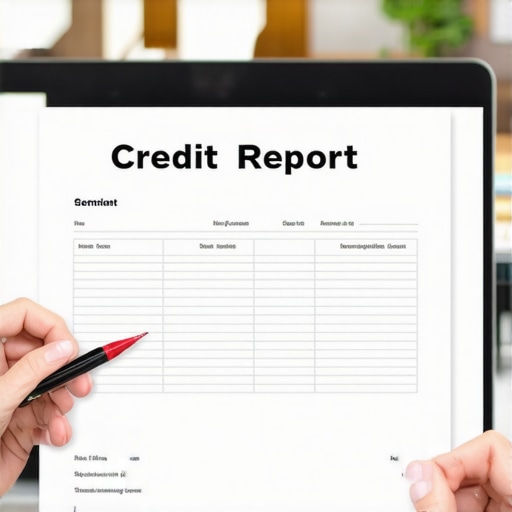
The dangerous illusion of automated dispute tools
Another massive trap that catching thousands of eager consumers off guard is the rise of credit repair applications and automated dispute software. It sounds so convenient to just link your account, click a button, and let an algorithm draft your disputes. However, the bureaus have become incredibly sophisticated. They easily recognize the digital footprint and standard phrasing of automated tools. When a system detects a template, it often categorizes it as a third-party dispute, which gives them a legal loophole to reject the request or request additional identity verification that stalls your progress for months. If you are dealing with complex errors, relying on these apps is a major gamble. For example, understanding the problem with using credit repair software for complex errors is essential if you want to avoid endless loops of automated rejections. When it comes to your financial future, nothing beats custom letters backed by physical evidence. Have you ever fallen into this trap or used one of these apps only to get a generic rejection letter back? Let me know in the comments below, and let’s figure out your next move together.
My Personal Toolkit for Bulletproof FICO Monitoring
When I committed to long-term credit building, I quickly realized that checking a free credit-score app once a month was like checking your car’s oil only after the engine starts smoking. You cannot build exceptional credit with outdated or approximate data. That is why I stopped relying on general consumer estimators and invested in premium credit monitoring. I personally use MyFICO because it provides access to the actual industry-specific FICO scores—like FICO Score 8, FICO Auto Score 9, and mortgage-scoring models—that lenders see when you apply for a loan. To complement this, I request my physical consumer files directly from the bureaus because you should why you should always request a paper credit report to spot micro-errors that digital dashboards hide.
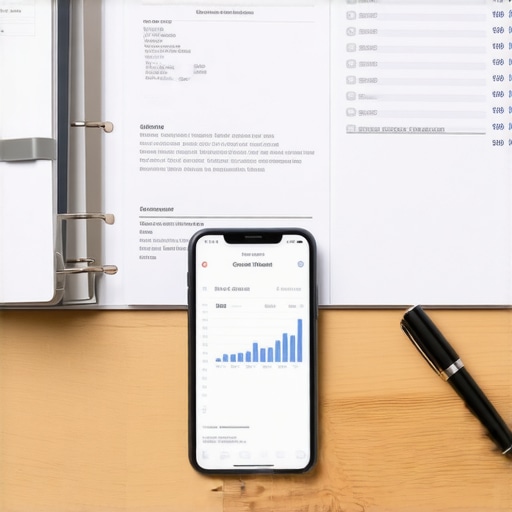
For organizing physical evidence, I do not use digital folders or spreadsheet trackers. I use an old-school, physical accordion file box labeled by creditor. Inside, I keep certified mail receipts, original billing statements, and signed dispute letters. I also use a specialized scanning tool like Adobe Scan on my phone to instantly convert my mailing receipts into high-resolution PDFs. This specific workflow keeps me from losing key evidence during a dispute process. If you want to keep your score safe, you need to learn how to monitor your credit for small changes that matter before they develop into major financial headaches.
How do I maintain my FICO score over time?
Long-term credit maintenance is about building highly consistent habits, not executing sudden, desperate fixes. The most critical, overlooked habit is establishing a quarterly auditing calendar. Every three months, I log into my monitoring portal specifically to review account dates, utilization percentages, and personal details. I check for tiny reporting anomalies like an address misspelling or a misreported limit. According to technical documentation from the Consumer Data Industry Association (CDIA) on Metro 2 formatting, even a minor discrepancy in how an account status is coded can inadvertently suppress your score. If you spot these issues early, you can resolve them through targeted correspondence before you need to apply for new financing.
Looking ahead, the landscape of credit building is shifting rapidly. With the upcoming rollout of advanced scoring models like FICO 10 and FICO 10 T, trended data will play a massive role in your financial eligibility. These models do not just look at a snapshot of your current balance; they analyze your historical payment trajectory over a 24-month window. This means carrying a balance—even if you pay it down quickly—will soon have a much heavier negative impact than it does today. If you want to stay ahead of these algorithmic updates, you need to implement active credit building strategies correcting dispute errors for better FICO in 2025. I challenge you to try just one advanced tip from this guide today: split your next credit card payment using the twin-payment technique, and watch how your utilization drops next month.
What I Learned from Facing the FICO Giants Head-On
If my years navigating the complex maze of credit building have taught me anything, it is that the credit scoring system is not designed to help you; it is designed to profile you. When I first started trying to fix my credit, I fell for every mainstream trap on the internet. I sent templated dispute letters, panicked when my score dipped after a deletion, and spent countless nights wondering why my hard work was not paying off. The biggest breakthrough came when I realized that credit repair is a game of leverage, precision, and verified facts.
Here are the key lessons that completely changed my trajectory:
- The system favors persistence over aggression: Blasting a bureau with random disputes only lands you in the “frivolous” pile. Sending targeted, evidence-backed arguments is what actually moves the needle.
- Your paper trail is your armor: Digital dashboards are convenient, but they are highly prone to glossing over micro-errors that keep your score suppressed.
- Utilization is a daily variable, not a monthly snapshot: Waiting for your statement to close before making a payment means you have already lost the timing battle for that month.
The Selective Arsenal I Trust to Keep My Profile Flawless
You do not need an expensive agency or automated software to build a pristine financial reputation. In fact, relying on automated platforms is often the problem with using credit repair software for complex errors because they strip away the human nuance required to resolve difficult disputes. Instead, I recommend building your own highly targeted toolkit. First, prioritize obtaining physical documents directly from the sources—you should learn why you should always request a paper credit report to find the hidden reporting glitches that digital trackers miss. Second, leverage a dedicated document scanner on your smartphone to keep precise, dated logs of all your certified mail receipts. Finally, transition your monitoring habits to platforms that display industry-specific FICO scores rather than generic educational estimates.
Take Back Control of Your Financial Future Today
The journey to excellent credit is not a sprint, and it is certainly not reserved for high earners. It is a series of intentional, calculated adjustments that accumulate over time. By taking a strategic approach to correcting dispute errors, tracking your credit history length, and managing your debt-to-limit ratio, you can unlock opportunities that once felt entirely out of reach. Do not let outdated myths or automated rejections hold you back from the score you deserve. Start by auditing just one account this week, and watch how quickly your momentum builds. Understanding FICO, dispute errors, and credit repair hacks is your ultimate ticket to financial freedom.
Have you ever encountered a stubborn error on your report that the bureaus refused to fix? Let me know in the comments below, and let’s map out how to resolve it together!