
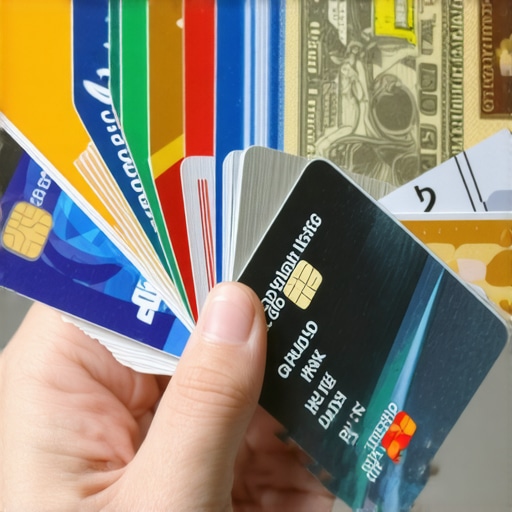
I’ll never forget the cold sweat I felt when I realized my quest for a cheap blender had actually cost me a better interest rate on my first car loan. It sounds dramatic, I know. But there I was, standing in a big-box retailer, thinking that a quick application for a store card was just a harmless way to save fifty bucks. I was wrong. I didn’t realize that my credit mix—that mysterious 10% of my FICO score—was about to get a lot more complicated. My mistake wasn’t just opening the card; it was not understanding that not all plastic is created equal in the eyes of the credit bureaus. I spent months trying to figure out the reason your store card score is lower than your bank card score before I finally cracked the code. Today, I’m going to show you exactly how store cards shift the balance of your credit profile and how you can use them to your advantage instead of letting them weigh you down.
Why Your Credit Mix Needs More Than Just One Type of Card
Most of us start our journey by just trying to get anyone to say “yes” to an application. When you’re starting from zero in 2025, a retail card feels like a golden ticket. It’s accessible, it’s immediate, and it’s usually easier to get than a high-tier travel card. However, your credit mix isn’t just about the number of accounts; it’s about the diversity of those accounts. FICO looks at your report to see if you can handle different types of debt responsibly. If your report is top-heavy with retail cards and lacks major bank cards or installment loans, lenders might see you as a higher risk.
I made the classic blunder of opening four different store cards in one year because I wanted the discounts. My score didn’t skyrocket; it plateaued. I was essentially telling the algorithms that I only shopped at specific retailers rather than demonstrating broad financial stability. According to data from FICO, having a healthy mix can be the difference between a “good” and an “exceptional” score. In fact, FICO’s research on high-scoring consumers shows that individuals with a FICO score of 800 or higher typically carry a mix that includes both installment loans and a variety of revolving credit accounts. If you are trying to build credit fast, you have to be intentional. Have you ever been tempted by that checkout-line discount only to wonder if it was actually hurting your long-term goals?
Is opening another retail account actually worth the risk?
This is the question that keeps most of my neighbors up at night. You want the perks, but you fear the hard hit. The truth is, small limit cards are better for building credit fast if you use them correctly. But there is a catch. Retail cards often come with lower limits, which can accidentally spike your utilization if you aren’t careful. I once bought a set of tires on a store card, and because the limit was so low, it looked like I had maxed out my credit. My score dropped 30 points overnight. We’re going to solve that today. I’ll walk you through the math of the credit mix and help you decide if that shiny new store card is a stepping stone or a stumbling block. If you’ve already got a wallet full of them, don’t panic. There are ways to manage them, and even the impact of closing a retail card you never use can be navigated if you have a plan. Let’s get into the nitty-gritty of how these cards interact with the FICO model and what you can do to ensure your mix is working for you, not against you.
Auditing Your Wallet for Hidden Score Killers
Think of your credit report like a recipe. If you only use salt, the dish is ruined; you need a balance of flavors to make it work. In the FICO world, retail cards are the salt. They are necessary for flavor, but too much will make the whole thing unpalatable for lenders. Your first move is to pull your reports and look past the surface level. You need to find out who is really reporting to your credit file. Sometimes, a store card is managed by a major bank like Synchrony or Comenity, and how they report can vary wildly depending on the specific retail agreement.
Balance Your Portfolio with High Limit Bank Cards
I remember when I finally realized that my three clothing store cards were actually holding me back. My total credit limit across all of them was only $1,500. Every time I bought a suit, my utilization shot through the roof. I decided to pivot and applied for a traditional Visa with a $5,000 limit. The shift was immediate. By adding a major bank card, I wasn’t just increasing my limit; I was diversifying my mix. If you find yourself in a similar spot, the impact of a high limit card on your credit utilization can be the single fastest way to see a point jump. It provides a cushion that retail cards simply cannot offer. This isn’t about spending more; it’s about giving the FICO algorithm the ‘space’ it needs to see you as a low-risk borrower.

Fix Inaccuracies Before They Cost You Points
Once you have the right cards, you have to ensure the data being fed into the system is actually correct. Retailers are notorious for messy record-keeping, especially during seasonal transitions or when they change banking partners. I once found a store card I had closed three years prior still showing as ‘open with a balance’ because of a tiny trailing interest charge. You must audit your credit report for incorrect account dates and payment statuses. If the dates are wrong, your ‘length of credit history’—which is 15% of your score—could be getting shortened without you even knowing it.
Mastering the Dispute Process for Retail Accounts
When you find those errors, don’t just hope they go away. You need to be aggressive but clinical. I’ve seen people fail because they sent emotional letters. Instead, focus on effective dispute error resolution to boost your credit score in 2025 by using specific account numbers and dates. If a retail card is reporting a late payment that you know you paid, gather your bank statements. The bureaus are like robots; they need data, not stories. This is especially true if you are trying to improve your credit dispute score. I once spent three weeks fighting a $25 late fee from a hardware store that nearly tanked my mortgage application. It taught me that small errors in a retail account carry just as much weight as errors on a massive loan.
Identify Which Model Your Lender Actually Uses
Not all credit scores are created equal. While you might be looking at a VantageScore on a free app, your car dealer or mortgage broker is likely looking at a specific FICO version. It’s vital to find out which credit model your lender uses because some older FICO models are much harsher on retail card balances than the newer ones. If you know you’re being judged by an older model, you might need to pay those store cards down to a zero balance a few weeks earlier than usual to ensure the lower utilization is captured in time for your application. This level of granular control is what separates people who just ‘have credit’ from those who ‘master’ it.
Common wisdom says that the moment you pay off a debt, your score should jump. In my experience, that’s one of the biggest lies in the credit world. Many people think they are doing the right thing, but they don’t realize why paying off a collection does not always raise your score immediately. In older FICO models, a paid collection is just as damaging as an unpaid one. Even worse, if you pay an old debt without a written agreement, the creditor might update the ‘last activity’ date, making the negative mark look brand new to the algorithm. I’ve seen clients lose 40 points just by trying to be responsible. This is where credit repair secrets how to resolve disputes and elevate your credit standing come into play. You have to be tactical, not just compliant.
How do you verify a debt that keeps changing owners?
This is the ‘oops’ factor that most people miss. When a debt is sold, the new owner often resets the clock or changes the account name, making it look like a fresh default. You need to know how to verify a debt that keeps changing owners and names before you send a single penny. If you aren’t careful, you’ll end up in a loop of endless collections for the same original $50 bill. Research from the Consumer Financial Protection Bureau (CFPB) highlights that a significant percentage of credit reports contain errors specifically related to third-party debt collectors.  If you are caught in this cycle, learning how to handle a creditor that keeps selling your debt becomes your most valuable skill. Another hidden nuance is the ‘All Zero’ trap. Everyone tells you to pay your cards off, but why a zero balance is not always the best for your score is a lesson I learned the hard way. FICO likes to see active, low utilization. If every card shows $0, the algorithm might think you aren’t using credit at all, which can lead to a score stall. I recommend keeping one card at a 1% balance to show ‘signs of life.’ Have you ever fallen into this trap where doing the ‘right’ thing actually hurt your score? Let me know in the comments. To truly master this, you need to dive into mastering fico proven strategies to improve your credit dispute score and stop relying on the automated ‘dispute’ buttons on credit apps. Those buttons are designed for the bureau’s convenience, not your success. Instead, use the ultimate guide to dispute errors and credit building in 2025 to craft manual, evidence-based challenges that force a human review.Once the initial flurry of disputes is over, the real test of your financial maturity begins. I’ve seen people claw their way back from a 500 score only to see it crumble because they lacked a system to keep it there. You need a command center for your financial reputation. I personally don’t rely on the flashy, colorful dashboards of credit monitoring apps for the heavy lifting. While they are great for a quick glance, they often miss the fine print that could signal a major issue. To truly succeed, you need to learn how to monitor your credit for small changes that matter using the raw data directly from the source.
Build a Command Center for Your Financial Reputation
My ‘equipment’ is surprisingly low-tech but highly effective. I use an expanding file folder specifically for my credit records. Inside, I keep every single certified mail receipt, every response from a bureau, and every piece of the documentation that proves a payment was made on time. This physical paper trail is your ammunition if you ever have to go to court or deal with a stubborn collector. Digital files can be corrupted or lost in a cloud migration, but a physical folder is a permanent record of your diligence. If you find yourself hitting a wall with the bureaus, understanding fico dispute errors and credit repair hacks like using physical evidence rather than online portals is what sets you apart from the average consumer.
The Old-School Method That Beats Every Mobile App
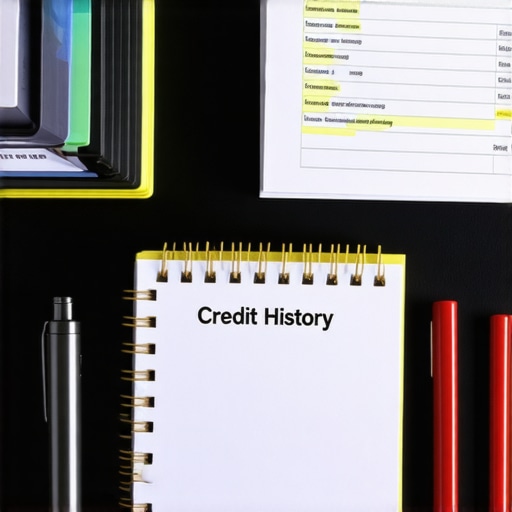
I am a huge advocate for the ‘Paper-First’ rule. I believe why you should always request a paper credit report is the secret sauce to spotting errors the human eye misses on a screen. When you have three physical reports spread out on your kitchen table, you can highlight inconsistencies in account numbers and dates across the three bureaus. I once found a discrepancy in an old student loan that only appeared when I laid the Equifax and TransUnion reports side-by-side. If I had relied on an app, that error would still be dragging me down today. This level of detail is essential for mastering credit repair dispute errors and fico optimization.
As we look toward the future, I predict that AI-driven scanning at the credit bureaus will become even more aggressive, making it harder for ‘standard’ dispute letters to get past the initial filter. This is why I recommend handwritten envelopes and non-standard fonts in your letters to trigger a manual review. According to CFPB Bulletin 2013-09, credit reporting agencies are legally obligated to conduct a ‘reasonable investigation’ and cannot simply rubber-stamp the information provided by a creditor. If they fail to do so, you need your log to prove it. I keep a dedicated notebook that serves as the specific log you need to keep when calling bureaus, noting every name, timestamp, and reference number.
How do I maintain my credit health over the long haul?
The key to longevity is consistency, not intensity. I recommend a ‘Quarterly Audit’ where you check for ‘Zombie Debt’—old accounts that have been sold and re-aged. Learning how to spot a re-aged debt on your credit report immediately is your best defense against sudden score drops. If a bureau tries to brush you off, you must know how to handle a bureau that says your dispute is frivolous by citing your previous documentation. My advanced tip for you today: Don’t just file your reports away. Use a highlighter to mark the ‘Date of Last Activity’ for every negative item and set a calendar alert for 30 days before that item is legally required to fall off. This proactive stance ensures you are always one step ahead of the algorithm. Try this tonight: Grab a physical calendar and mark the exact dates you’ll request your next three reports, then start your dedicated call log for 2025.
The Hard Truth Behind My 100-Point FICO Journey
Looking back, I realize that the biggest hurdle wasn’t the debt itself, but the lack of a coherent strategy. One major ‘aha’ moment for me was realizing that the credit bureaus aren’t your friends, but they are bound by very specific rules. When you dive into credit repair secrets how to resolve disputes and elevate your credit standing, you start to see the system as a game of documentation rather than a trial of character. Another lesson? Speed is the enemy of accuracy. I once tried to fix everything in a single weekend and ended up making technical mistakes that took months to correct. You have to be patient and treat every dispute like a legal case where evidence is king.
- Retail cards are like training wheels; they’re great for a start, but they will eventually limit your speed if you never move on to major bank cards with higher limits.
- The ‘All Zero’ penalty is a real trap for the over-prepared. Don’t be afraid to show a tiny bit of activity on one card to prove you’re still managing debt responsibly.
- Certified mail with return receipt is the only way to ensure your voice is actually heard by a human reviewer rather than a robot.
My Personal War Chest for Fighting Credit Errors
If you are serious about your financial reputation, you need more than just a colorful app on your phone. I personally rely on the ultimate guide to dispute errors and credit building in 2025 to keep my strategies current with the latest algorithm shifts. My toolkit also includes a dedicated scanner for every piece of paper mail I receive and a custom spreadsheet that tracks the ‘Date of First Delinquency’—this is vital for dispute errors on your credit report a step-by-step guide for 2025. I trust these methods because they rely on the Fair Credit Reporting Act (FCRA) and hard data, not just the good graces of a lender.
#IMAGE_PLACE_HOLDER_E#
Your Financial Rebirth Starts Today
Improving your score isn’t just about getting a better car loan or a lower interest rate; it’s about the peace of mind that comes with knowing you’re in total control of your data. By understanding fico dispute errors and credit repair hacks, you are building a professional foundation that will serve you for decades. Don’t let a few retail card mistakes from your past define your financial future. You have the tools, the documentation, and the strategy to win this game. It is time to take that first step toward a score that opens doors instead of closing them. Have you ever found a surprising error on an old retail card that you thought was long gone? Let me know in the comments below!